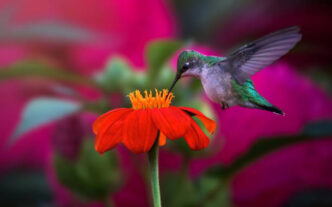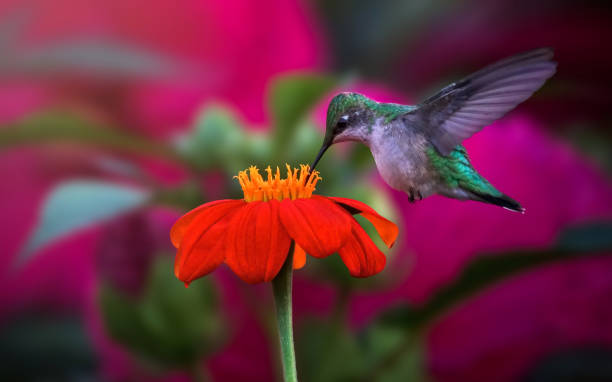


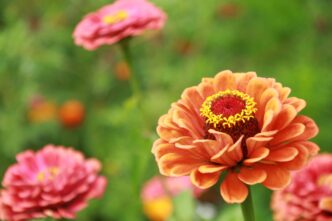
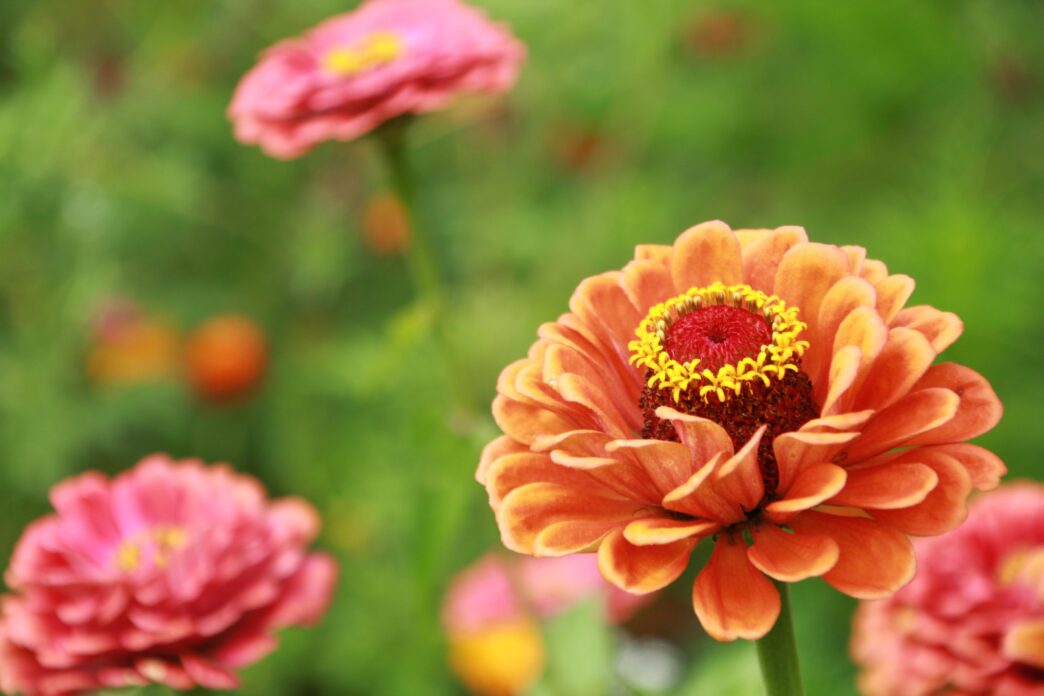
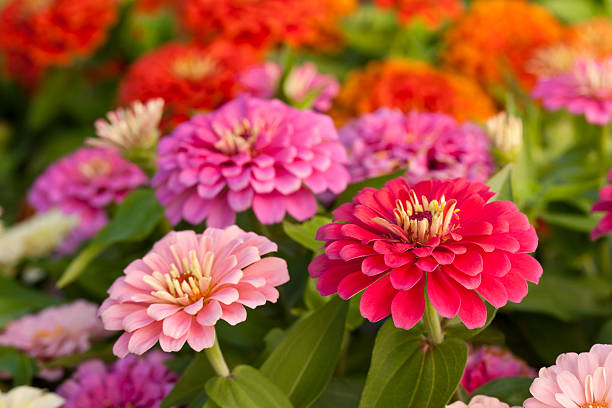
Few flowers bring as much joy and instant cheer to a garden as zinnias. With their daisy-like blooms, vibrant color palette, and long-lasting flowers, zinnias are the stars of summer gardens. They are easy to grow, bloom generously, and attract butterflies, bees, and even hummingbirds. Whether you want to brighten up flower beds, create striking borders, or add a burst of color to containers, zinnias are a gardener’s best friend.
In this guide, we’ll explore everything you need to know about zinnia flowers—from planting and care to common problems and expert tips—so you can enjoy a garden that looks like a rainbow in full bloom.
What Makes Zinnias Special? 🌸
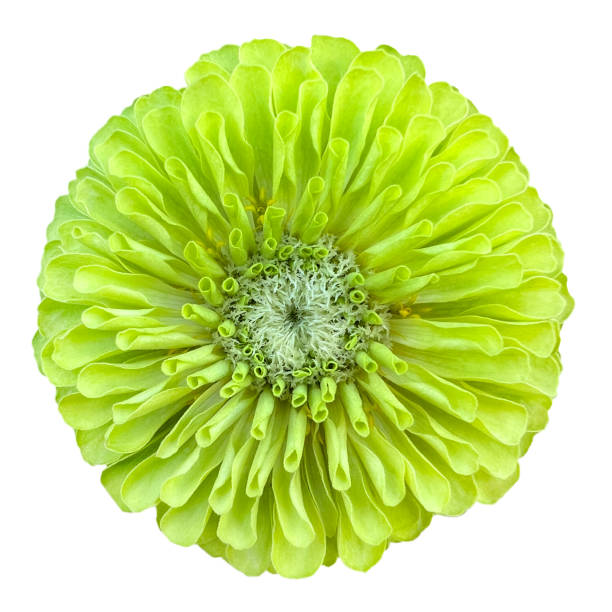
Zinnias (Zinnia elegans) are annual flowers native to Mexico and Central America. They thrive in warm weather and grow quickly, making them an ideal choice for beginners and busy gardeners alike. 
Here’s what makes them unique:
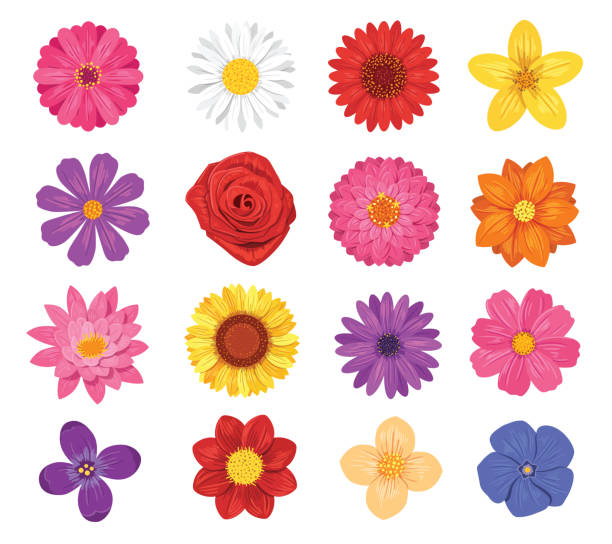
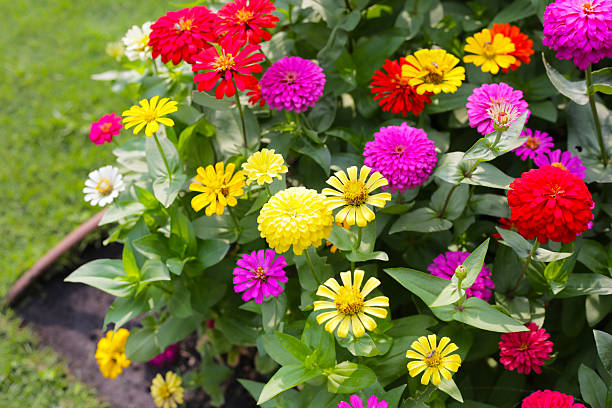
- Endless colors: From fiery reds and oranges to soft pastels and purples.
- Variety of shapes: Choose between single-petal, semi-double, or pom-pom-style blooms.
- Cut flower favorite: Long stems and lasting vase life make them perfect for bouquets.
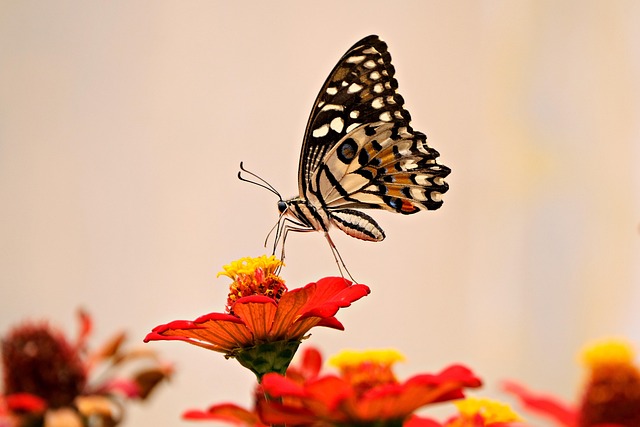
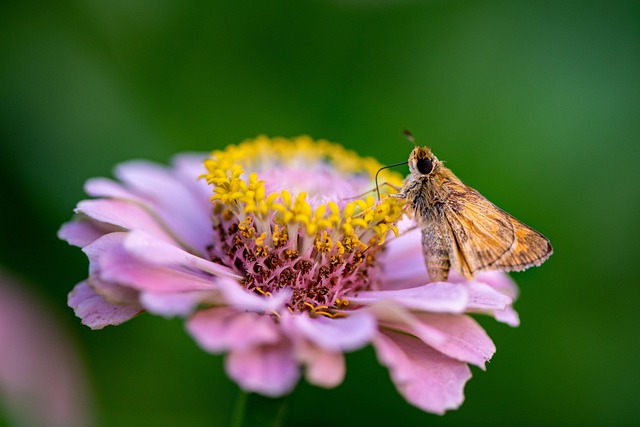
- Pollinator magnets: Butterflies and bees can’t resist them.
In short, zinnias are colorful, versatile, and rewarding—perfect for anyone who wants maximum beauty with minimal effort.
Ideal Growing Conditions for Zinnias 🌱
Sunlight
Zinnias love full sun and need at least 6–8 hours of direct sunlight daily. Without enough sun, they grow tall but produce fewer flowers.
Soil
- Best in well-draining, fertile soil.
- A pH of 6.0–7.5 works well.
- Avoid heavy, clay soil that retains water—zinnias dislike soggy roots.
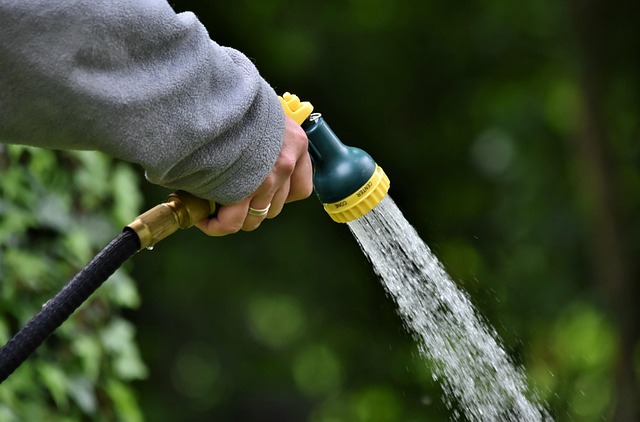
Water
Water moderately, allowing the top inch of soil to dry out before watering again. Overwatering encourages root rot and fungal problems.
Climate
Zinnias are warm-weather annuals and should only be planted after the last frost. In frost-free climates, they can bloom nearly year-round.
Planting Zinnias: Step by Step 🌼
1. Choose Your Variety
Zinnias come in three main size groups:
- Dwarf (6–12 inches): Perfect for borders and pots.
- Medium (12–24 inches): Ideal for flower beds.
- Tall (up to 3 feet): Great for cutting gardens and floral arrangements.
2. Sow Seeds
- Direct sow outdoors for best results. Plant seeds ¼ inch deep and 6–18 inches apart.
- You can also start seeds indoors 4–6 weeks before the last frost, but handle seedlings carefully to avoid transplant shock.
3. Germination
Seeds usually sprout in 5–10 days in warm soil. Once seedlings are a few inches tall, thin them to give each plant enough space.
Daily Care Tips 🌿
- Watering: Water at the base, not overhead, to keep leaves dry and prevent fungal disease. Morning watering is best.
- Mulching: A thin mulch layer retains soil moisture and keeps weeds away.
- Fertilizing: Feed with a balanced fertilizer (10-10-10) every 3–4 weeks for abundant blooms.
- Deadheading: Regularly remove faded flowers to keep new ones coming.
Pruning and Maintenance ✂️
- Pinching: Pinch back young plants when they reach about 6 inches tall. This encourages bushy growth and more blooms.
- Cutting for bouquets: Harvest flowers often. Zinnias are “cut and come again” plants, meaning the more you cut, the more they bloom.
Common Pests and Problems 🐛
Zinnias are hardy, but they can occasionally face issues:
- Powdery mildew: Appears as a white powder on leaves. Prevent it with good spacing, airflow, and base watering.
- Aphids: Small pests that feed on sap. Spray with water or use insecticidal soap.
- Spider mites: Look for fine webbing under leaves. Neem oil helps control them.
Healthy zinnias grown in full sun with good spacing rarely suffer from serious issues.
Propagation of Zinnias 🌱
1. From Seeds
Zinnias are best grown from seeds. Allow flower heads to dry on the plant at the end of the season, then collect the seeds for next year.
2. Self-Seeding
If left in the garden, some zinnia varieties reseed themselves naturally, sprouting again the following year.
3. Succession Planting
For continuous color, sow seeds every 2–3 weeks until midsummer. This ensures fresh plants bloom as older ones fade.
Expert Tips for Success 🌟
- Mix heights and colors: Plant dwarf, medium, and tall zinnias together for a layered, colorful display.
- Companion planting: Grow zinnias with marigolds, cosmos, or sunflowers for a pollinator-friendly garden.
- Harvest regularly: Frequent cutting keeps plants blooming.
- Don’t overcrowd: Give plants enough space to prevent disease.
- Choose disease-resistant types: Varieties like ‘Profusion’ and ‘Zahara’ are excellent choices.
Seasonal Care Calendar 🌦️
- Spring: Sow seeds after the last frost.
- Summer: Peak blooming—deadhead, water, and harvest flowers.
- Fall: Collect seeds for future planting.
- Winter: Zinnias die back in frosty climates; replant the following spring.
FAQs About Growing Zinnias ❓
1. Do zinnias come back every year?
No, zinnias are annuals. They complete their life cycle in one season, but you can save seeds to plant the next year.
2. How long do zinnias take to bloom?
Seeds germinate in about a week, and flowers appear within 6–8 weeks of planting.
3. Can zinnias grow in pots?
Yes! Dwarf and medium varieties thrive in containers, provided the pots have drainage and get full sun.
4. Do zinnias need fertilizer?
A balanced fertilizer every 3–4 weeks is enough to keep them blooming beautifully.
5. How do I prevent powdery mildew?
Plant with good spacing, water at the base, and ensure the plants get full sunlight.
6. Do zinnias attract butterflies?
Yes! Zinnias are one of the best flowers for attracting butterflies, bees, and hummingbirds.
Conclusion: A Rainbow for Your Garden 🌈
Zinnias prove that gardening doesn’t have to be complicated to be rewarding. With full sun, well-drained soil, and a little care, they burst into a spectacular display of colors that lasts all summer long. Whether you’re growing them for borders, vases, or simply to watch butterflies flutter by, zinnias are sure to bring delight.
So plant a patch of zinnias this season, and watch your garden transform into a living rainbow. Their charm, resilience, and nonstop blooms make them a must-have for any gardener, beginner or seasoned alike. 🌸✨