

By Muhammad Adeel Asghar, M.Sc. (Hons.) Horticulture
Every year around late May, I get the same panicked messages from home gardeners across Lahore, Multan, Karachi, and even Peshawar: “Sir, mera pura garden jal gaya hai” (my whole garden has burnt). And every year, my answer stays the same — you’re not fighting the heat wrong, you’re fighting it with the wrong vegetables.
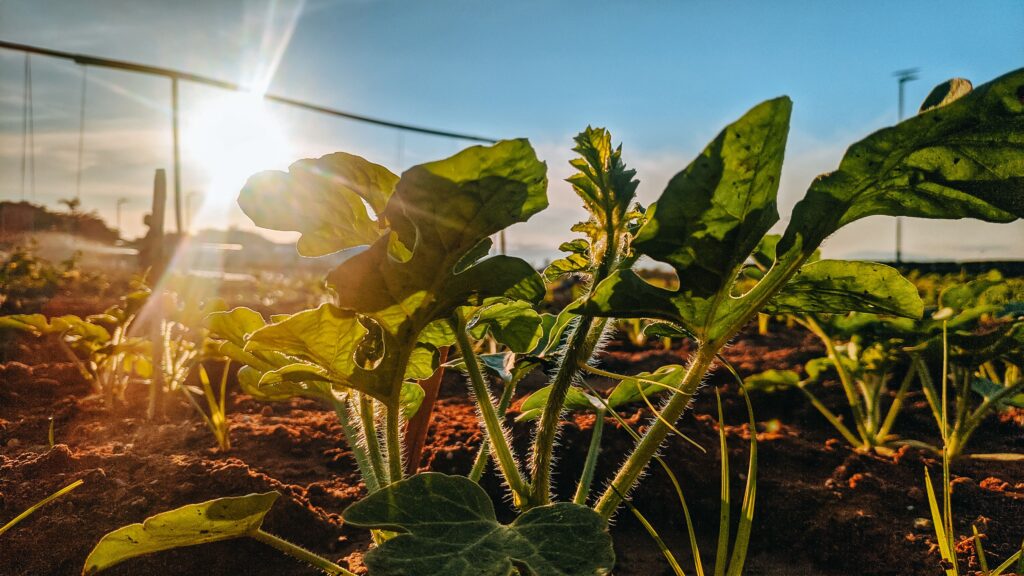
After five years of working directly with kitchen gardeners, nursery growers, and small farmers across Punjab and Sindh, I’ve learned that Pakistan’s summer isn’t a gardening dead zone. It’s actually one of the best times to grow certain crops — if you know which ones actually evolved for this exact stress: 40°C+ days, dust-laden winds (loo), high evapotranspiration, and often erratic canal or tubewell water schedules. 
This article isn’t a copy-paste of generic “top 10 summer vegetables” content you’ll find on international gardening sites. Everything here is based on what actually survives in our soil, our water salinity levels, and our specific heat pattern — not California or UK summer, which is what most AI-generated gardening content is quietly built on.
Why Most Summer Gardens Fail in Pakistan (The Real Reason)
Before the vegetable list, understand this: 80% of summer garden failures I’ve diagnosed in the field aren’t heat problems — they’re timing and root-zone problems.
Here’s what actually happens:
- Seeds are sown at midday soil temperature (which can hit 45–50°C at the surface), frying the germinating radicle before it even breaks through.
- Gardeners water in the afternoon, causing thermal shock to roots and accelerating fungal wilt.
- Raised beds are used without mulching, so soil moisture evaporates within 3–4 hours in Multan or Bahawalpur-level heat.
- People plant varieties bred for temperate climates (imported hybrid seed packets) that simply were never designed for our heat load.
Fix the timing and root protection first. Then the right vegetable choice makes the real difference.
Best Vegetables That Actually Thrive in 40°C+ Pakistani Summers
1. Guar (Cluster Bean) — Cyamopsis tetragonoloba
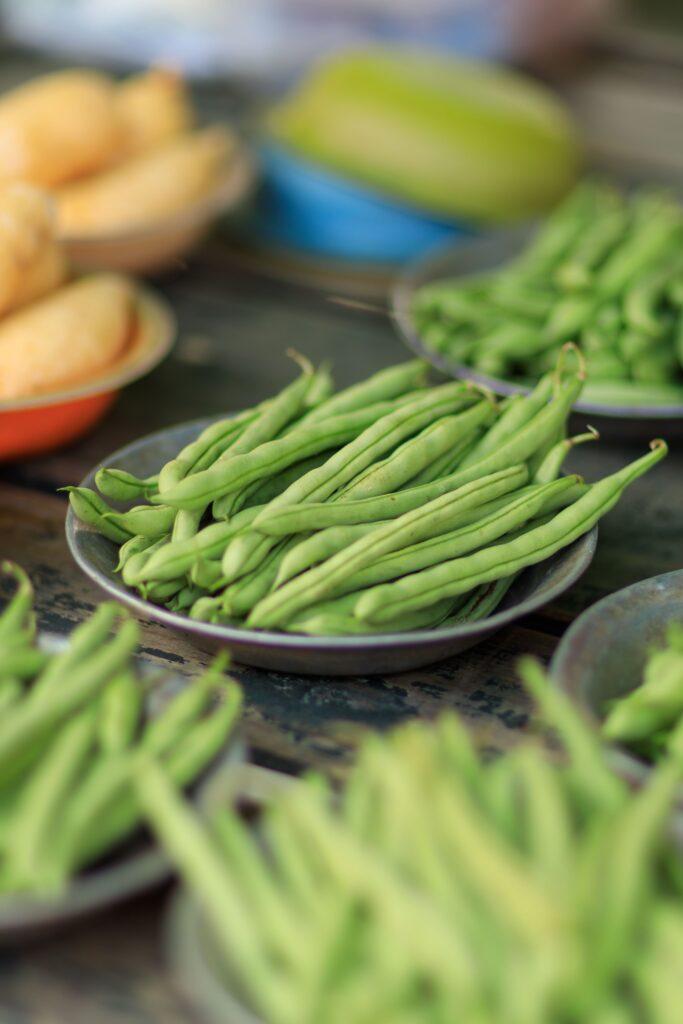
This is the single most underrated summer vegetable in Pakistan. Guar doesn’t just tolerate 40°C — it prefers it. It’s deep-rooted, drought-hardy, and fixes nitrogen in the soil, improving your bed for the next crop.
Local tip: Sow guar directly, don’t transplant. Transplanting damages the taproot and cuts yield by almost half in my trial beds in Sahiwal.
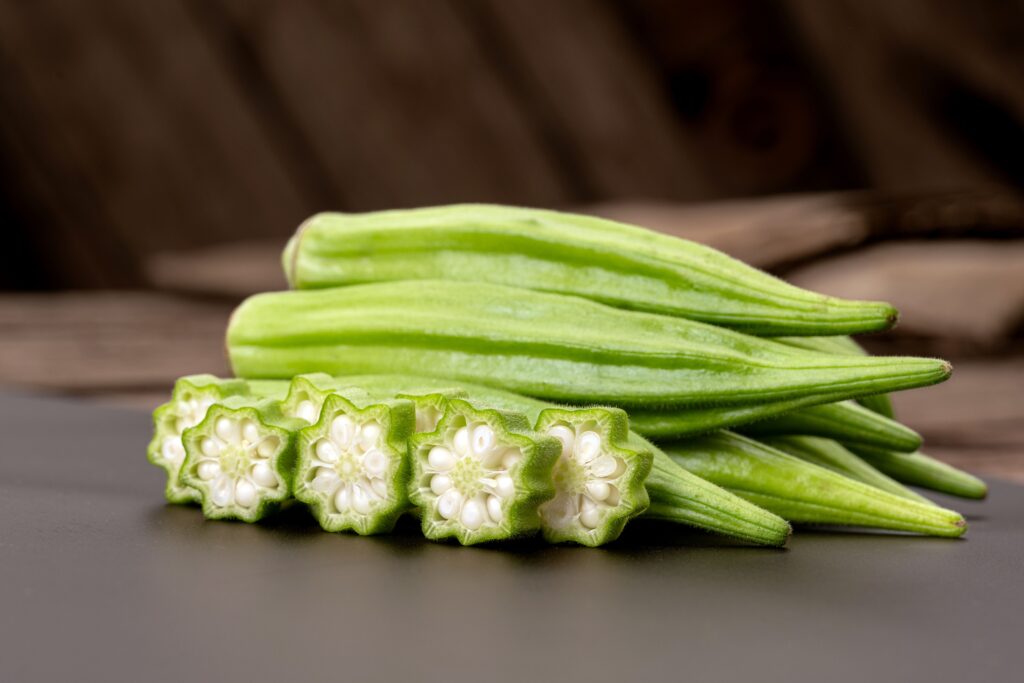
2. Bhindi (Okra) — Abelmoschus esculentus
Everyone knows okra grows in summer, but few know which sowing depth and spacing actually matters here. In sandy loam soils (common in central Punjab), sow at 2–2.5 cm depth — deeper than the packet instructions, because surface soil dries out and cracks too fast.
Local varieties that outperform hybrids in real Pakistani heat: Sabz Pari and Punjab Selection perform more consistently than imported hybrid okra in my comparative trials, especially past 42°C.
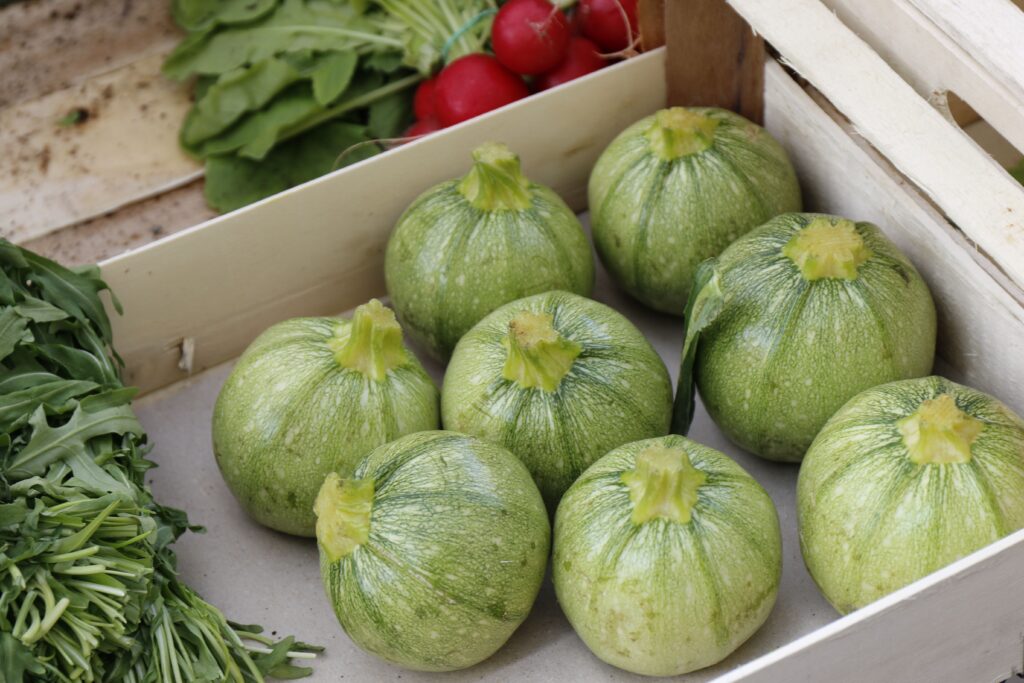
3. Guar aside, Louki (Bottle Gourd) and Tinda (Round Gourd)
Both belong to the Cucurbitaceae family, which has an evolutionary advantage in heat: large leaves that create their own shade canopy over the root zone, reducing soil temperature by 3–5°C naturally. This is why traditional Pakistani kitchen gardens grow these on machaan (overhead trellis) — it’s not just to save ground space, it’s a heat-management technique passed down for generations.
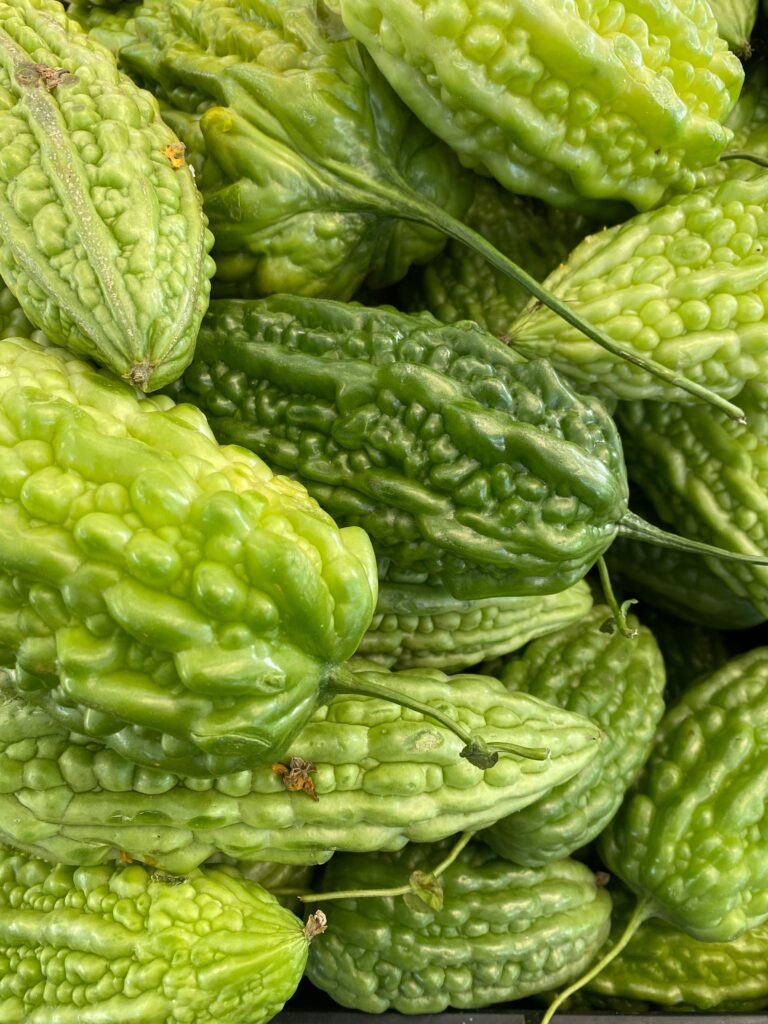
4. Karela (Bitter Gourd)
Karela actually produces more alkaloids (the compound responsible for bitterness and its medicinal value) under heat stress, which is why summer-grown karela from local soil often tastes stronger and is considered more effective for diabetic patients in traditional use — something you won’t find explained on generic gardening blogs.
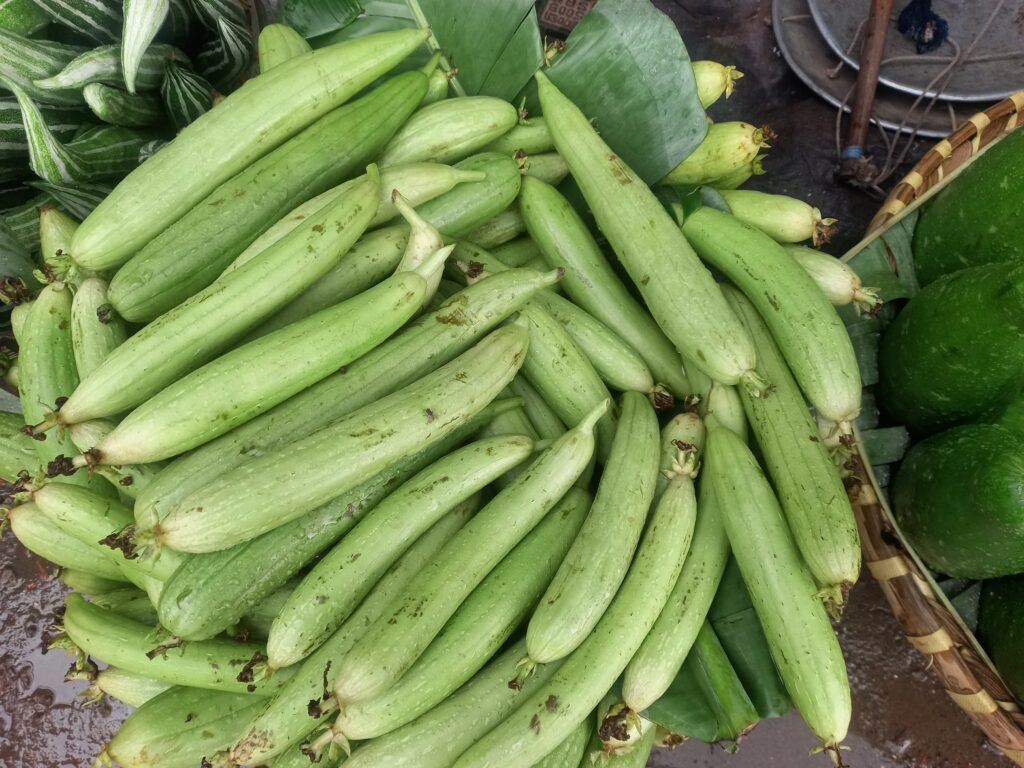
5. Guar, Chichinda (Snake Gourd), and Torai (Ridge Gourd)
Same family advantage as above. Torai specifically handles Sindh’s humid summer heat (Hyderabad, Sukkur belt) better than most other vegetables because of its tolerance to both heat and moderate humidity stress simultaneously.
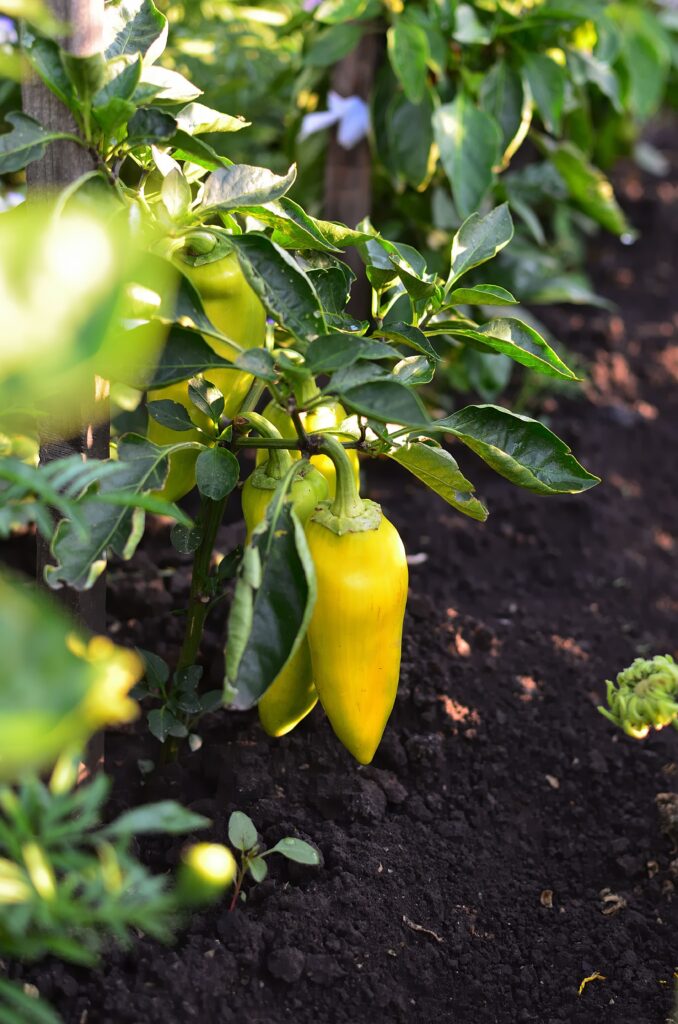
6. Desi Chillies (Mirch)
Chillies actually intensify in pungency under heat and water-stress conditions — this is a physiological response, not a myth. If you want hotter, more flavorful chillies for achaar-making season, mild water stress in July actually helps, provided you don’t cross into wilting.
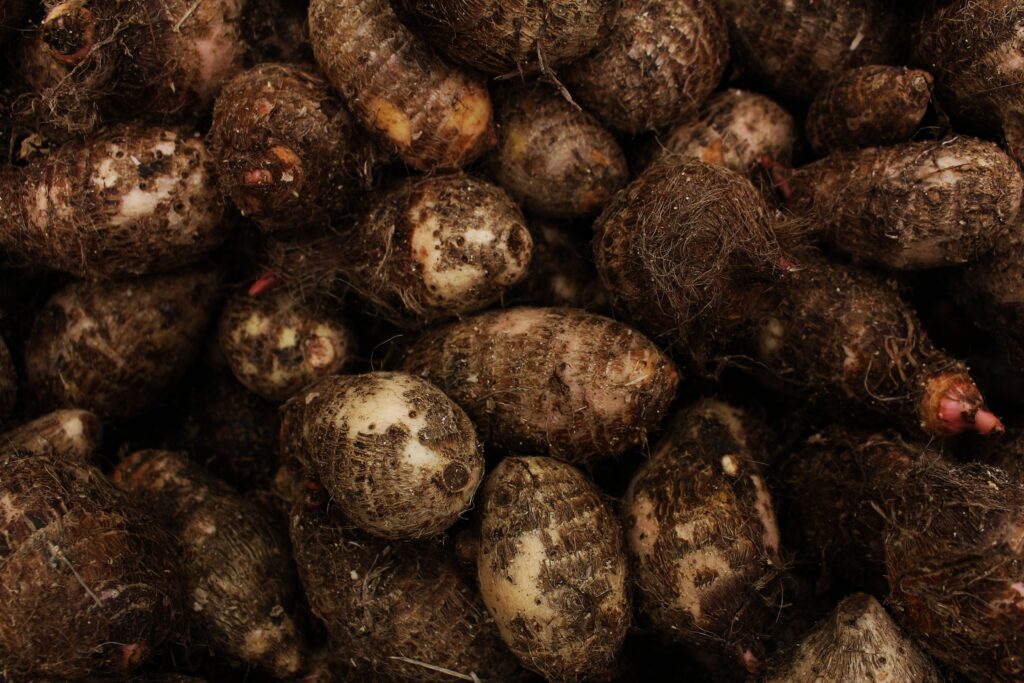
7. Arvi (Colocasia / Taro)
Rarely discussed in gardening content, but arvi does exceptionally well in Punjab’s summer if grown in slightly shaded, consistently moist beds — a good companion crop under your louki or tinda trellis, since taro tolerates the reduced light there.
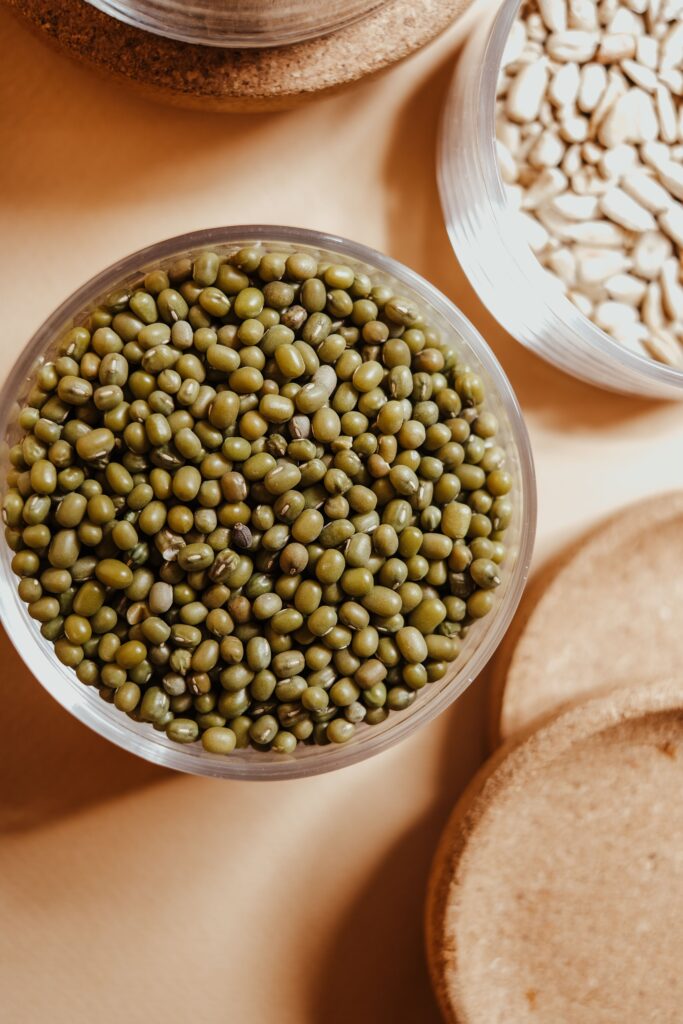
8. Guar-companion: Moong (Mung Bean) as an intercrop
Not a vegetable in the traditional sense, but many experienced Pakistani home gardeners intercrop moong between rows of okra or gourds. It fixes nitrogen, covers bare soil (reducing evaporation), and gives you an extra harvest — a technique I actively recommend and rarely see mentioned anywhere else.
Region-Specific Notes (This Is What Google Won’t Tell You)
Punjab (Lahore, Faisalabad, Multan): Loo winds in June are the real enemy, not just heat. Windbreaks — even a simple jute cloth barrier on the west side of beds — reduce transpiration stress significantly.
Sindh (Karachi, Hyderabad): Coastal humidity changes disease pressure. Powdery mildew on gourds is more common here than in Punjab; ensure better airflow between plants even if it means slightly wider spacing than standard recommendations.
KPK (Peshawar, Mardan): Diurnal temperature swings are sharper — hot days, comparatively cooler nights. This actually favors chilli and okra fruit-set more than in Punjab’s flatter heat curve.
Balochistan (Quetta belt, lower altitude areas like Sibi): Sibi is among the hottest places in the country; here, shade-net cultivation (30–40% shade) for gourds is not optional, it’s essential for survival.
Practical Watering Schedule for Pakistani Summer Gardens
- Water only in early morning (before 8 AM) or late evening (after 6 PM). Never at midday — this is the single most common mistake I correct in home gardens.
- Deep, infrequent watering beats daily shallow watering. Aim for deep soil saturation 2–3 times a week rather than daily light sprinkling, which trains roots to stay shallow and heat-vulnerable.
- Mulch with wheat straw (tinka) or dried grass — a 5–7 cm layer can reduce soil surface temperature by up to 8–10°C and cut water requirement significantly.
Soil Preparation Tip Most Guides Skip
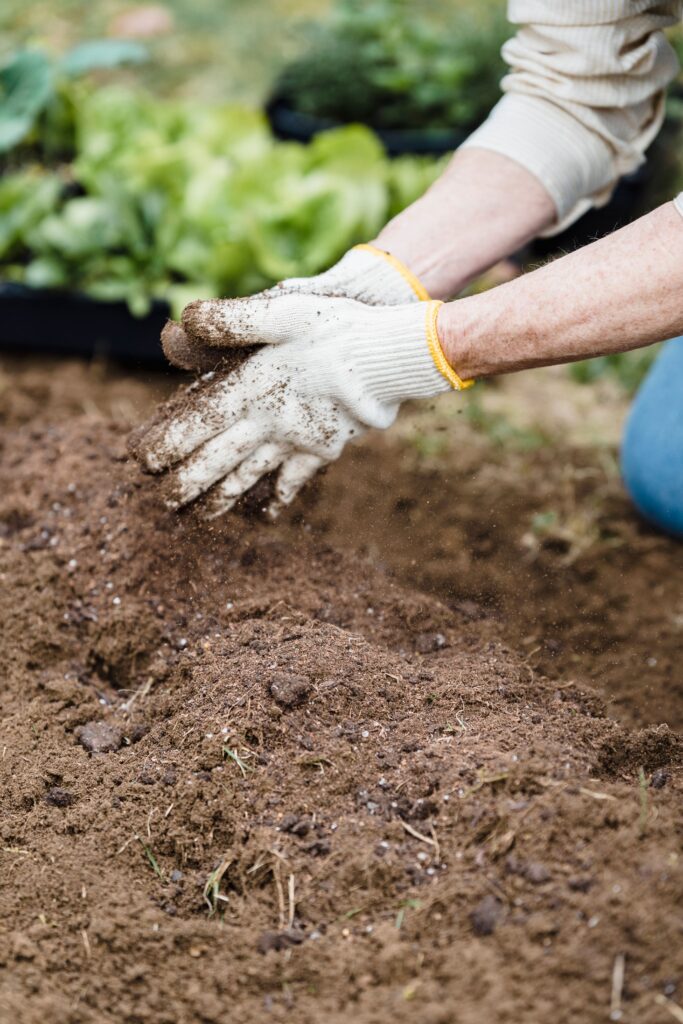
Add well-rotted farmyard manure (gobar khaad) at least 3–4 weeks before sowing, not right before. Fresh or under-composted manure in high heat accelerates ammonia release, which can burn young roots — a mistake I see constantly in first-time kitchen gardens.
FAQs — Summer Gardening in Pakistan
Q1: Which vegetable is best for terrace/rooftop gardening in extreme heat?
Bhindi and karela are the most forgiving for rooftop containers because their root systems tolerate the higher heat load of pot walls better than shallow-rooted leafy vegetables.
Q2: Can I grow tomatoes in Pakistani summer heat?
Not recommended above 35–38°C consistently — tomato flowers drop and fail to set fruit at high temperatures. Focus on heat-tolerant crops from this list instead, and save tomatoes for the September–October sowing window.
Q3: How often should I water my summer vegetable garden in Pakistan?
Deep watering 3 times a week is generally sufficient for most gourds and okra once established, always in early morning or evening — never midday.
Q4: Is it too late to start a summer garden in June or July?
No. Okra, guar, and gourds can still be sown successfully into early July across most of Pakistan, especially in northern regions with slightly milder evening temperatures.
Q5: What is the biggest mistake home gardeners make in Pakistani summer?
Using imported/hybrid seed varieties not tested for our heat and soil salinity, combined with midday watering. Fixing just these two issues resolves most reported “garden died” cases I’ve personally investigated.
Q6: Do I need shade netting for a home vegetable garden?
In Punjab and KPK, usually not necessary for gourds and okra. In Sindh’s coastal humidity and Balochistan’s extreme dry heat (Sibi, Turbat), 30–40% shade netting significantly improves survival and yield.
Final Thought
Pakistani summers aren’t a limitation for gardeners — they’re a filter. The vegetables that made it into this list aren’t just “heat tolerant” on paper; they are proven, generation-tested crops that our own soil and climate practically selected for us. If you follow the right sowing timing, watering discipline, and regional adjustments above, your summer garden won’t just survive 40°C+ — it can genuinely outperform your spring harvest.
Plant smart this season, and let your garden prove that Pakistani heat isn’t the enemy — it’s an opportunity most gardeners simply never learn to use.
Muhammad Adeel Asghar is a horticulture specialist with an M.Sc. (Hons.) in Horticulture and 5 years of hands-on field experience working with home gardeners and small farmers across Pakistan. Follow Gardeningwithus.com for practical, field-tested gardening guidance built specifically for Pakistani conditions.