


Every year around this time, my inbox and comment section fill up with the same confusion. Someone in Multan wants to know why their tomato seedlings are rotting at the base. Someone in Islamabad is asking if it’s too late to sow spinach. Someone in Karachi is convinced their garden is “cursed” because nothing survived last month. Nine times out of ten, the actual problem isn’t the soil, the seed, or bad luck — it’s timing. Specifically, it’s a mix-up between Rabi and Kharif.
If you’ve gardened in Pakistan for more than one season, you’ve probably heard these two words thrown around by nursery workers, seed packet labels, or your grandfather who somehow always knew exactly when to sow without ever looking at a calendar. But most people never get a proper explanation of what these seasons actually mean for a home garden, not a wheat field. So let’s fix that, and then let’s talk about exactly what you should be putting in the ground right now, in July.
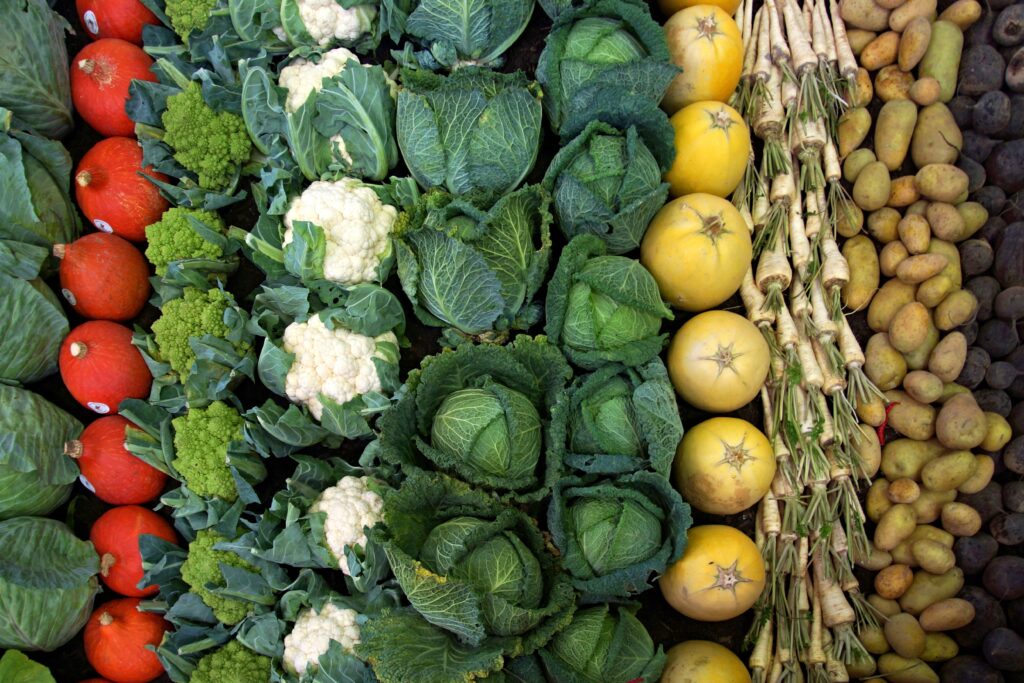
First, What Do Rabi and Kharif Actually Mean?
These terms come from agriculture, not ornamental gardening, but they apply just as much to your kitchen garden or terrace pots as they do to a farmer’s acres, because both are governed by the same thing: day length, temperature, and monsoon timing. 
Kharif
Kharif comes from an Arabic word that roughly means “autumn harvest.” Kharif crops are sown with the onset of the monsoon, roughly from May through July, and harvested in autumn, around September to October. These are your heat-and-humidity-loving plants — they germinate fast in warm soil and need the monsoon rains (or equivalent irrigation) to thrive.
Rabi
Rabi means “spring harvest” in Arabic. Rabi crops are sown after the monsoon retreats, generally October through December, and harvested in spring, March to May. These are cool-season plants that actually sulk or bolt (flower too early and turn bitter) if you try to grow them in summer heat.
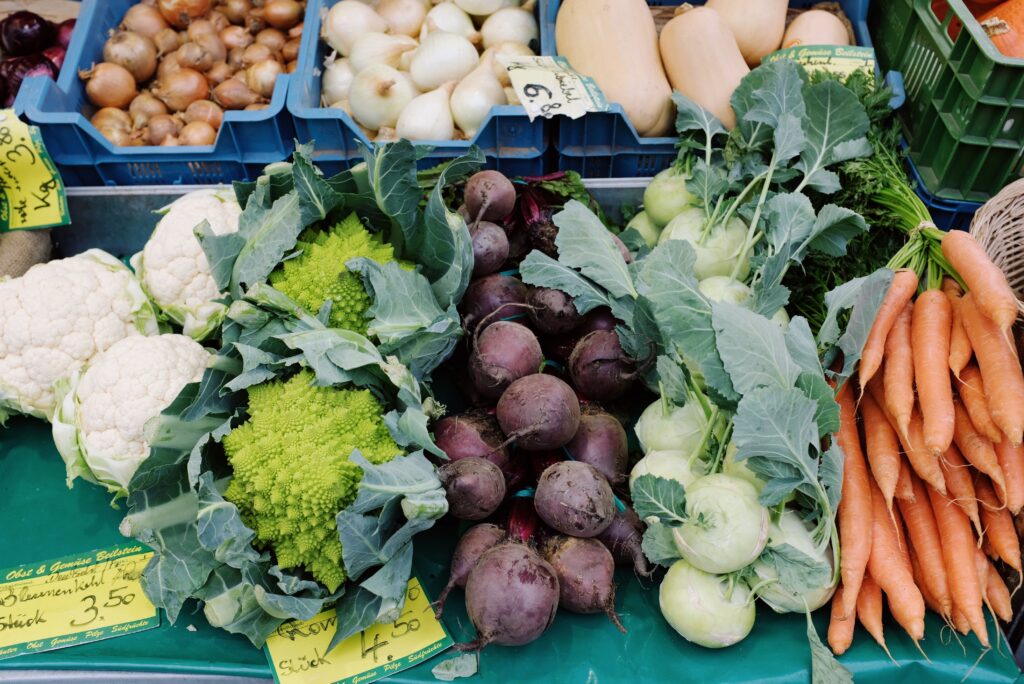
Here’s the part most articles skip: there’s technically a third, shorter window called Zaid, squeezed between Rabi and Kharif (roughly March to June), used mostly for quick summer crops like watermelon, muskmelon, and cucumber before the real Kharif season kicks in. If you’ve ever wondered why melons seem to show up so early in the market compared to other Kharif produce, this is why.
Why This Distinction Matters More in a Home Garden Than People Realize
In a commercial field, if you sow at the wrong time, you lose a crop cycle and some money. In a small home garden, the stakes feel different but the outcome is the same — wasted seed, wasted soil space, and honestly, wasted motivation. I’ve seen so many first-time gardeners give up entirely after one failed round of tomatoes, not realizing they sowed a Rabi-leaning crop at the tail end of an unforgiving Kharif window.
There’s also a soil-health angle that rarely gets discussed. Continuously growing crops from the same season family in the same bed depletes specific nutrients and invites season-specific pests. Rotating between a Kharif crop and a Rabi crop in the same spot, rather than trying to squeeze the same family of vegetables year-round, actually keeps your soil biology healthier over time. This is basic crop rotation principle from field agronomy, and it applies just as well to a 4×8 raised bed as it does to five acres.
Where We Stand Right Now: Early July
If you’re reading this in the first half of July, you are sitting right in the middle of peak Kharif sowing and early Kharif maintenance season across most of Pakistan. The monsoon should be arriving or already active in Punjab, KPK, and parts of Sindh by now, which changes your gardening priorities in a specific way: this is less about starting fresh from seed and more about managing what’s already growing, while still catching the tail end of the sowing window for a few fast-maturing crops.
What You Can Still Sow This Month (Region by Region)
Punjab plains (Lahore, Faisalabad, Multan, Sahiwal, Gujranwala)
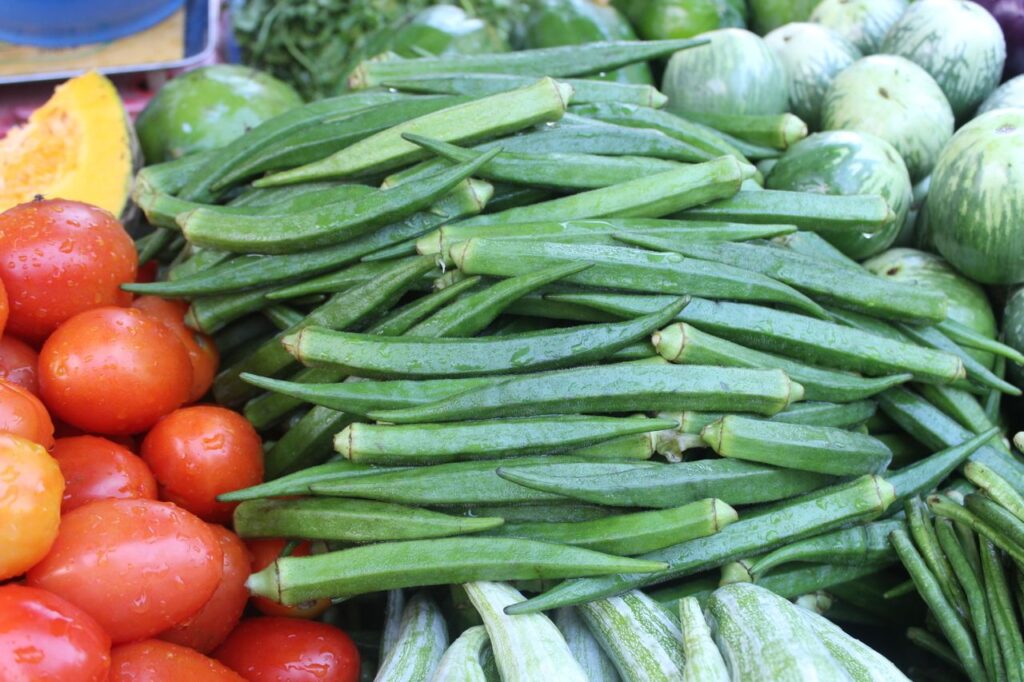
Sow okra (bhindi), guar, cluster beans, and cowpea (lobia) directly into the soil now — they germinate quickly in warm, humid conditions and are fairly monsoon-tolerant. If you want a fast turnaround crop, ridge gourd (tori) and bottle gourd (lauki) sown now will be ready for harvest by early September. Chillies transplanted now (not sown from seed at this stage — go with nursery-raised seedlings) will establish well before the worst of the heat breaks.
Sindh (Karachi, Hyderabad, Sukkur)
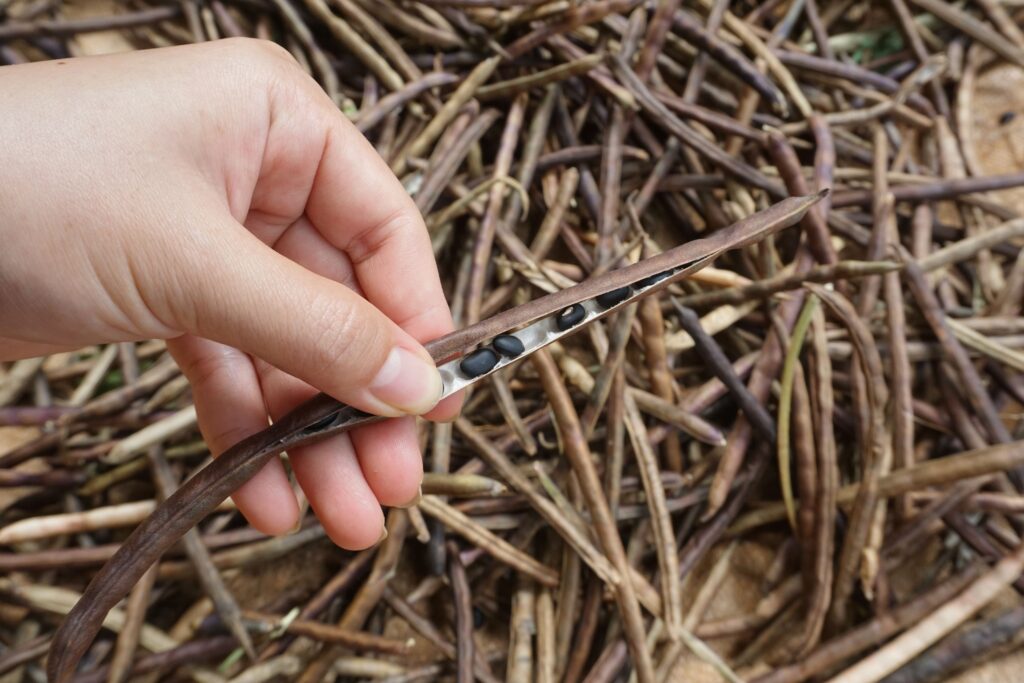
Karachi’s coastal humidity is brutal on seedlings this month, so favor direct-sown, hardy Kharif vegetables over delicate transplants. Okra, cowpea, and cluster beans do well. If you’re in interior Sindh where daytime heat is more extreme and drier, guar and moth bean (a lesser-known but excellent drought-hardy legume) are worth trying — they’re underused in home gardens but extremely forgiving.
KPK (Peshawar, Mardan, Swat valley, Abbottabad)
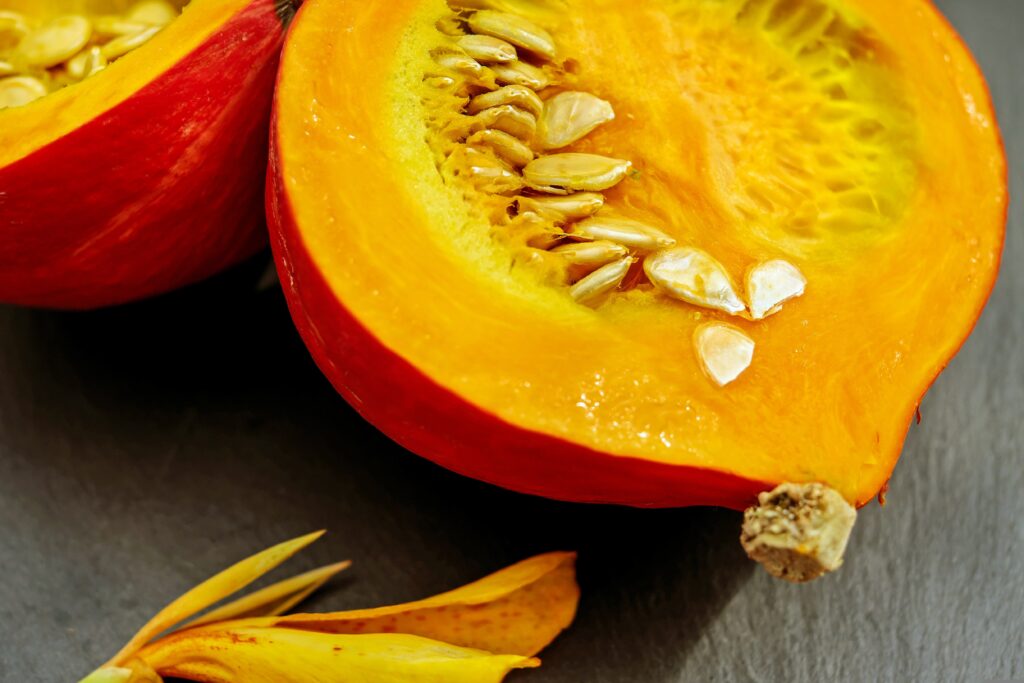
The valley floor areas (Peshawar, Mardan) follow similar timing to Punjab. But if you’re gardening at higher elevations like Swat or Abbottabad, your temperature curve is gentler, and you actually have a slightly longer runway — you can still sow maize for home use, and pumpkin varieties do exceptionally well in the cooler nights typical of hill terrain.
Islamabad and Murree hills
This is the trickiest zone because the elevation gives you a hybrid climate. In Islamabad proper, continue with okra and gourds. In the true hill stations like Murree, you’re actually approaching the edge of your Kharif window for heat-loving vegetables — anything sown after mid-July there risks not maturing before the first cool snap arrives in September.
Balochistan (Quetta and similar highland areas)
Quetta’s climate behaves almost like a delayed version of the plains. If you’re gardening here, you likely have more flexibility than Punjab or Sindh gardeners right now, and quick Kharif crops like beans and squash can still go in.
What You Should NOT Be Sowing Right Now
This is the part that actually answers the confusion most people have. Tomato, capsicum, and eggplant are technically warm-season crops too, but they are far more disease-prone during peak monsoon humidity than people expect — this is precisely why so many home gardeners lose their tomato seedlings to damping-off and bacterial wilt in July. If you already have tomato plants in the ground from an earlier sowing, focus on staking them well above standing water risk and improving airflow rather than planting new ones now. Hold off on fresh tomato and capsicum sowing until nursery-raised seedlings can go in around August, once the worst of the monsoon intensity has passed.
Leafy greens like spinach, lettuce, and coriander are Rabi crops at heart. If you sow them now in the plains’ heat, they’ll bolt (go to seed) almost immediately instead of producing usable leaves. Save these for late September onward. If you’re desperate for greens in the meantime, amaranth (chaulai) is technically more heat-tolerant and can be grown right now as a decent substitute.
What to Start Preparing for Rabi, Even Though It’s Months Away
Here’s a piece of advice that experienced gardeners follow but rarely explain to beginners: Rabi success is actually decided in July and August, not in October.
If you want strong wheat-family, pea, or radish results this coming Rabi season, this is the month to start composting your kitchen and garden waste so it’s ready to fold into beds by September. It’s also worth doing a soil test or at least a basic pH and drainage check now, while you have time to amend the soil with organic matter before the Rabi sowing rush. I’ve found that gardeners who prep their beds in July, even while Kharif crops are still occupying the space, get noticeably better germination rates for Rabi vegetables like carrot, turnip, and radish later.
Common Questions I Get About This Exact Topic
“My tomatoes were doing fine and suddenly wilted after the rains — is this normal?” This is almost always bacterial wilt or waterlogged roots, both classic monsoon-season Kharif problems, not a sign you did something wrong from the start. Improve drainage around the base immediately and avoid overhead watering during humid spells.
“Can I grow both Rabi and Kharif vegetables in the same small garden throughout the year?” Yes, and honestly, that’s the ideal approach for a home gardener — but stagger them by bed or container, not by trying to grow both types side by side in the same soil at the same time. Rotate: Kharif crop now, Rabi crop from October, and let the bed rest with compost in between.
“Why do nursery seedlings sold in the market not match what I should be sowing this month?” Commercial nurseries sometimes sell seedlings slightly ahead of the ideal home-garden window because they’re catering to farmers with irrigation control and pest management resources beyond what a home gardener typically has. Always double-check timing against your own local microclimate before buying what’s on display.
“Is it too late to plant anything productive this month?” Not at all — okra, gourds, and legumes sown even in the third week of July will still give you a full harvest cycle before the season turns. The real cutoff to worry about is mid-to-late July for most of the plains; after that, you’re better off waiting and prepping for Rabi instead of forcing a late Kharif crop.
A Final Thought From One Season to the Next
Gardening in Pakistan rewards people who work with the calendar instead of against it. The Rabi-Kharif divide isn’t some outdated farming tradition — it’s a genuinely useful framework once you translate it from “acres of wheat” to “your raised bed or balcony pots.” Right now, in early July, your job is simple: finish your last round of proper Kharif sowing where your region still allows it, protect what’s already growing from monsoon-related disease, and quietly start preparing your soil for the Rabi season that will be here before you know it.
If you’re ever unsure which category a specific vegetable or flower falls into for your exact city, drop it in the comments — I read through every one of them, and half the value of gardening advice comes from getting it adjusted to your actual backyard, not a generic season chart.