

By Muhammad Adeel Asghar, M.Sc. (Hons.) Horticulture | 5+ Years Field & Nursery Experience
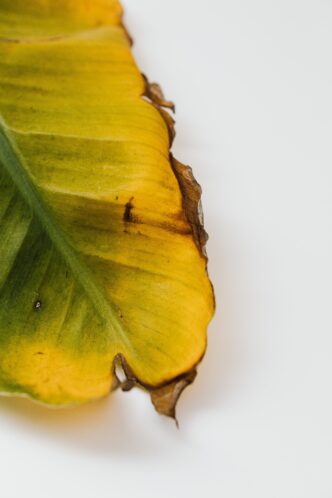
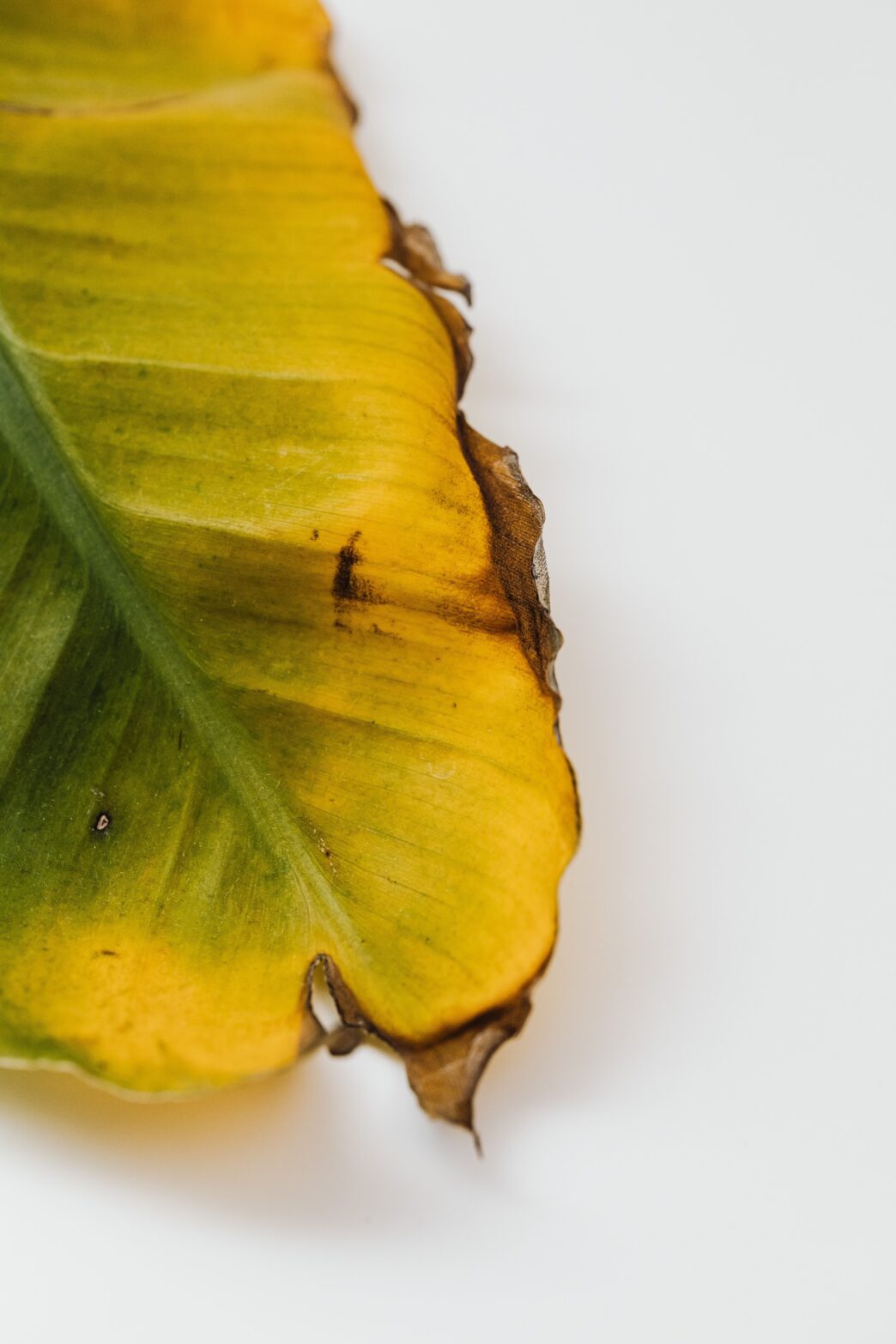
If you’ve searched “money plant leaves turning yellow” late at night with a picture of your poor pothos open in another tab, you’re not alone. I get this question almost every week from clients, nursery visitors, and readers across Lahore, Karachi, Islamabad, and Faisalabad. Money plant (Pothos, Epipremnum aureum) is supposed to be the “can’t-kill-it” plant — so when it starts yellowing, it feels personal.
The good news: yellowing is almost never random. It’s your plant’s way of communicating a specific problem, and once you learn to “read” the leaf, you can usually fix it within 1–2 weeks. In this article, I’ll walk you through every real cause I’ve diagnosed in Pakistani homes and offices — including a few local, climate-specific issues that most generic gardening articles (and honestly, most AI chatbot answers) completely miss because they’re written for US or European growing conditions, not for our tap water, our summer heat, or our monsoon humidity. 
Let’s fix your plant.
First, Understand This: Not All Yellow Leaves Mean Trouble
Before you panic, check one thing — where is the yellow leaf located on the vine?
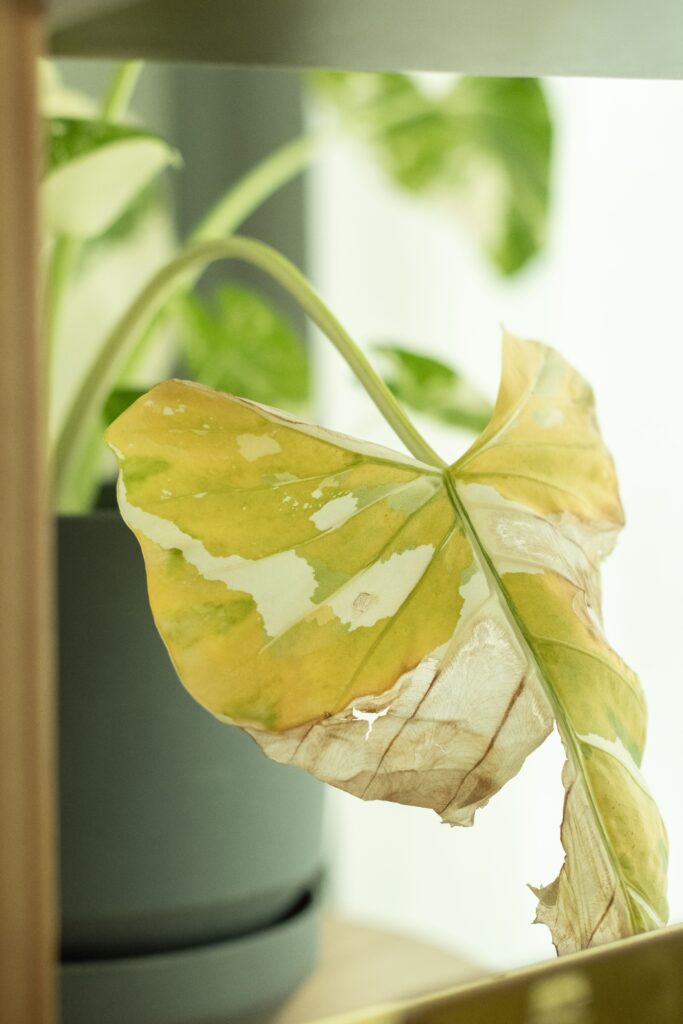
- One or two old leaves near the base/soil turning yellow and dropping → This is 100% normal aging. Pothos sheds its oldest leaves as it grows new ones. No action needed.
- Multiple leaves yellowing at once, especially newer ones, or yellowing spreading fast → This is a real problem, and we need to diagnose it.
This one distinction alone saves 30% of my clients from unnecessary repotting or fertilizing.
The 8 Real Causes of Yellow Pothos Leaves (And How to Confirm Each One)
1. Overwatering — The #1 Cause I See in Pakistani Homes
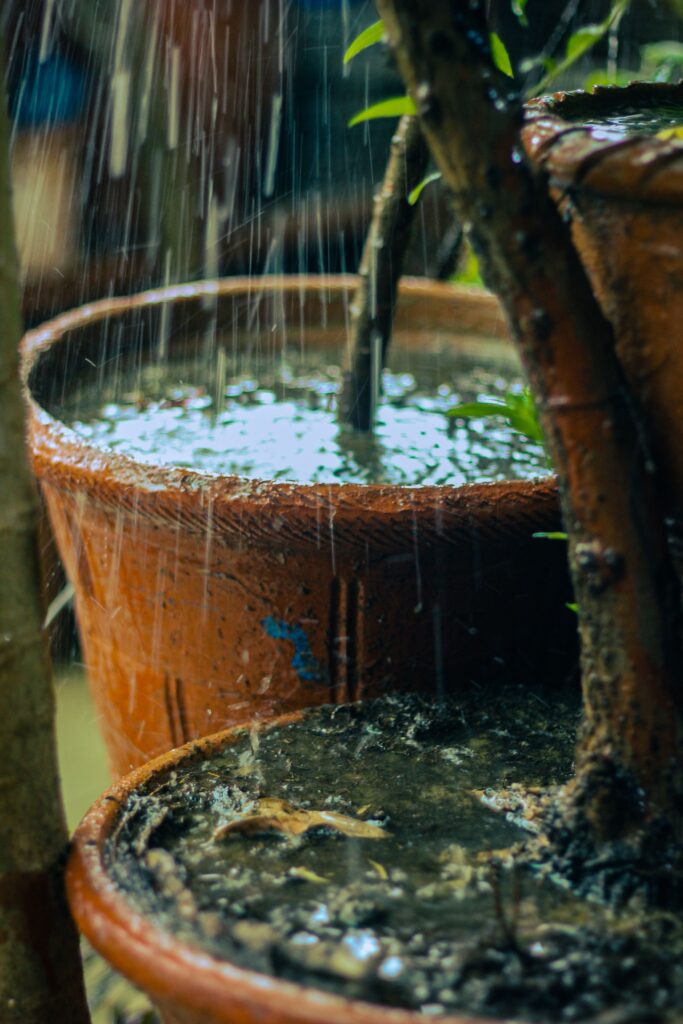
This is, without exaggeration, responsible for 6 out of 10 cases I diagnose. Pothos is native to tropical forest floors where it grows in loose, fast-draining leaf litter — not in constantly wet soil.
How to confirm it:
- Yellow leaves feel soft or mushy, not crispy
- Soil stays wet for more than 4–5 days after watering
- A slightly sour or “swampy” smell from the pot
- Pot has no drainage hole (extremely common here — decorative pots without holes are sold everywhere in Pakistani markets, and this alone kills more money plants than any pest ever could)
The Pakistan-specific trap: Many of us keep money plant in water (in a bottle or vase) for months, which is fine — pothos roots adapted for water actually behave differently than soil roots. The real danger is when people move a water-rooted cutting into soil and then keep watering it like it’s still in water. That combination is a guaranteed root rot situation.
Fix:
- Always use a pot with a drainage hole. If you love a decorative pot without one, use it as an outer cachepot and keep the plant in an inner nursery pot with holes.
- Water only when the top 2 inches of soil are dry — stick your finger in, don’t just look at the surface.
- In humid, coastal cities like Karachi, water even less frequently than in dry Punjab cities.
2. Underwatering (Less Common, But Real in Summer)
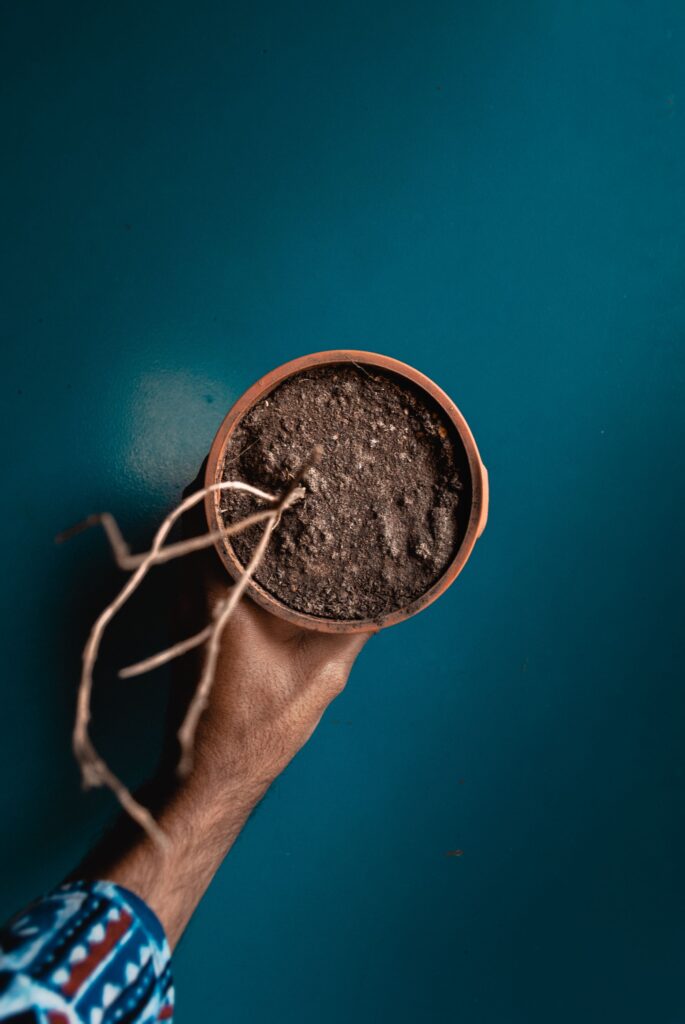
How to confirm it: Leaves turn yellow and crispy at the edges, soil pulls away from the pot sides, leaves droop before yellowing.
This is more common May–August in Multan, Bahawalpur, and interior Sindh, where indoor heat from tin roofs and poor ventilation dries pots out fast.
Fix: Water thoroughly until it drains from the bottom, then let it dry out properly before the next watering — don’t just splash a little water on top daily.
3. Hard / Chlorinated Tap Water (An Issue Most Articles Never Mention)
This is one of the biggest silent killers of houseplants in Pakistan, and almost no international gardening blog talks about it because their water systems are different.
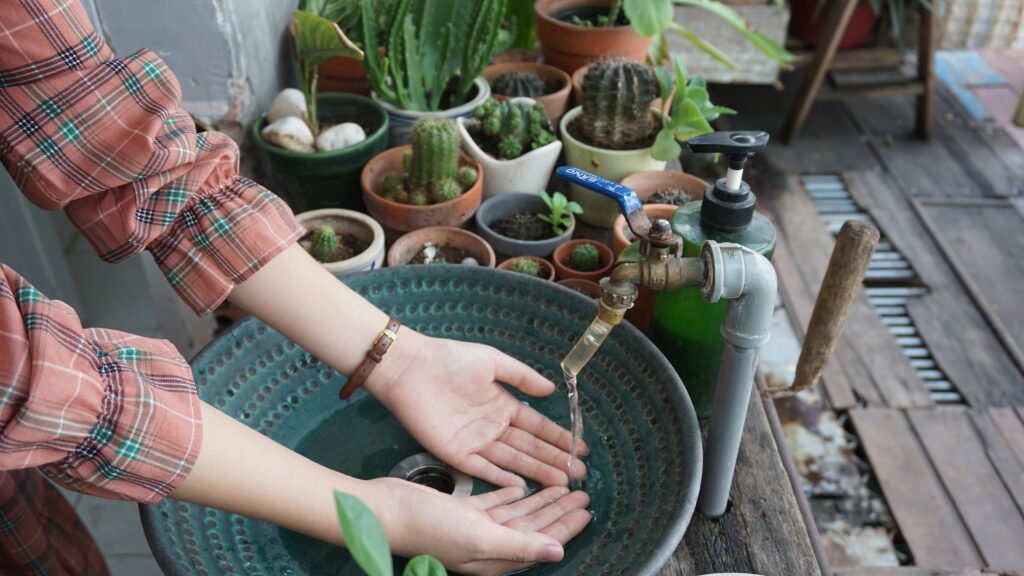
Municipal water in cities like Islamabad, Rawalpindi, and parts of Lahore is often hard (high mineral content) or heavily chlorinated. Over months, mineral salts build up in the soil, burn root tips, and show up as yellow leaves with slightly brown, crusty tips, plus a white crust on the soil surface or pot rim.
Fix:
- Let tap water sit in an open container for 24 hours before use — this lets chlorine evaporate.
- If you use RO (reverse osmosis) filtered water at home, that’s actually excellent for money plant — much better than most people realize.
- Flush the soil thoroughly every 2–3 months: run plain water through the pot until it drains freely from the bottom, several times, to wash out accumulated salts.
- Avoid using water straight from a water cooler or dispenser that adds minerals.
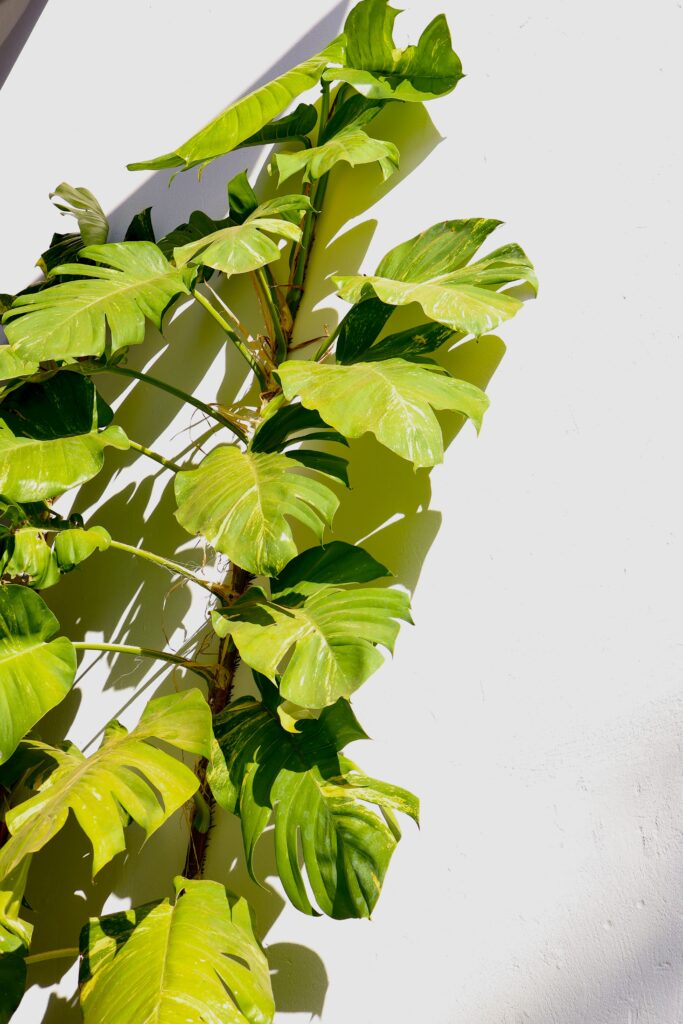
4. Too Much Direct Sunlight
Pothos is a low-to-medium light plant by nature — in the wild it grows under forest canopy. Direct, harsh sun (especially the brutal afternoon sun we get from April to September) scorches leaves.
How to confirm it: Yellow patches with a bleached, papery look, usually on the side of the plant facing the window, sometimes with brown scorch marks.
Fix: Move the plant 2–3 feet back from south or west-facing windows, or use a sheer curtain to diffuse light. East-facing balconies with morning sun are ideal in our climate.
5. Nutrient Deficiency
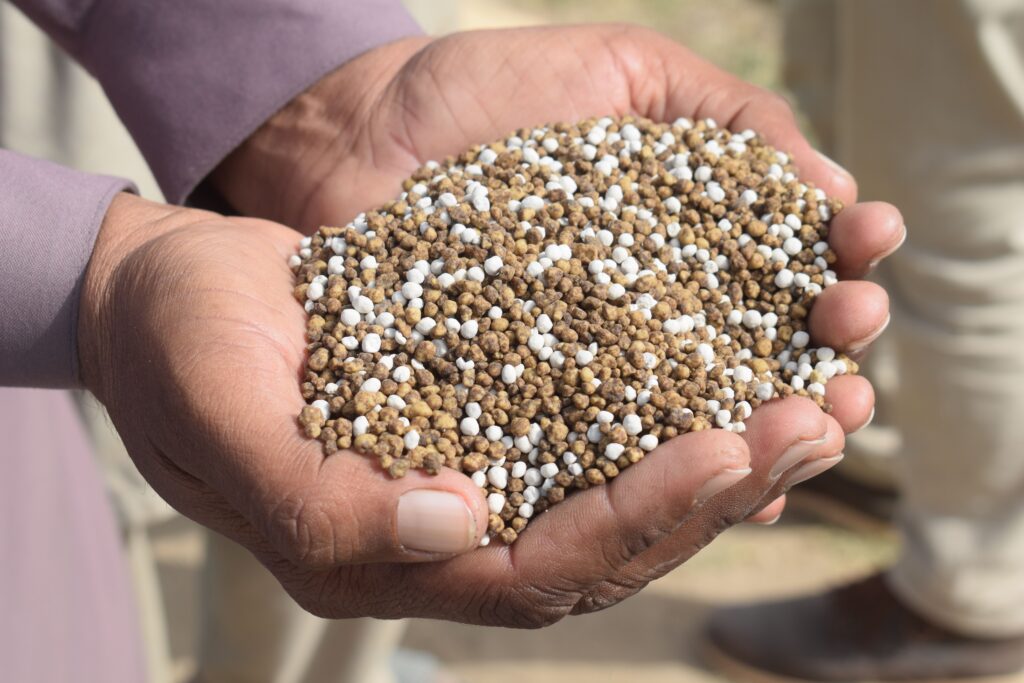
Money plant in the same pot for over a year, with no feeding, will eventually run out of nitrogen — this shows as uniform, pale yellowing of older leaves first, while veins may stay slightly greener (that vein-green pattern specifically points to magnesium or iron deficiency, common in plants watered with very hard water).
Fix:
- Feed once a month during growing season (March–October) with a balanced liquid fertilizer (NPK 20-20-20 works well) diluted to half strength — Pakistani nurseries commonly stock this, ask for “balanced liquid feed.”
- In winter (Dec–Feb), stop feeding almost entirely — the plant’s growth slows down and excess fertilizer will just burn roots.
- If you’re using homemade fertilizer (chai patti/tea leftover, banana peel water, etc. — very common practice here), use it sparingly and never as the sole nutrition source. These add minor nutrients but not a full balanced diet.
6. Root Rot From Poor Soil / Reused Nursery Soil
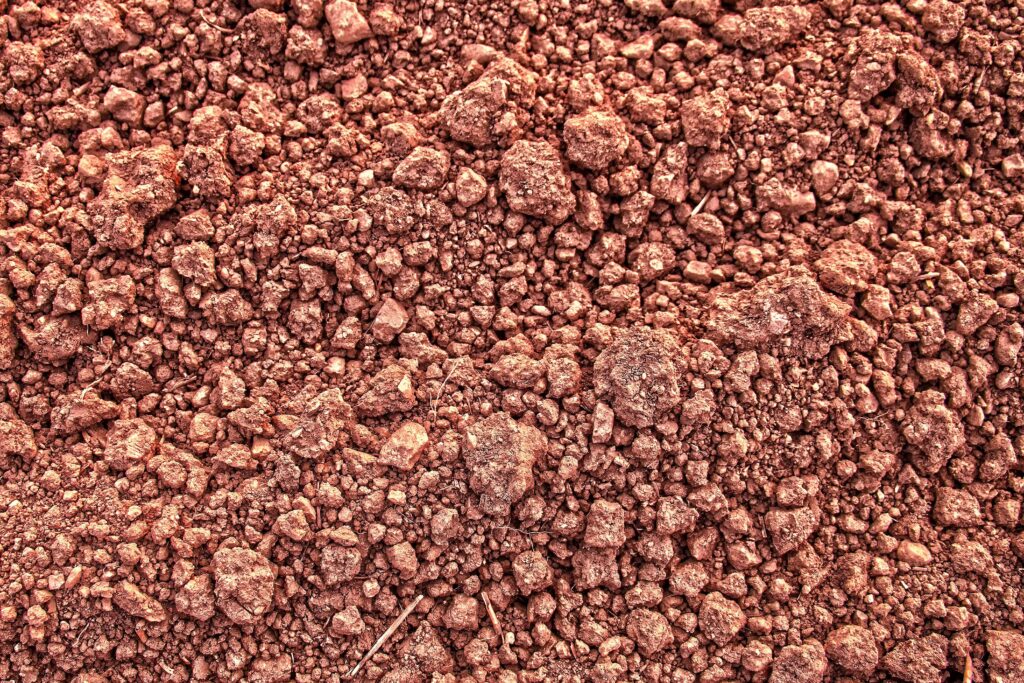
Many money plants sold in Pakistani markets come in cheap, compacted soil mixes with almost no drainage material. Over time this soil compresses further, holds excess water, and suffocates roots.
How to confirm it: Pull the plant gently — if roots are black/brown and mushy (healthy roots are white/tan and firm), it’s root rot, not just overwatering.
Fix:
- Repot into a mix of regular garden soil + coco peat/cocopeat + a handful of sand or perlite for drainage. Cocopeat is cheap and widely available in Pakistan (a nice locally relevant swap for imported perlite).
- Trim off all black, mushy roots with a clean, sharp blade before repotting.
- After repotting, water lightly for the first week to let roots recover.
7. Temperature Stress / Cold Drafts
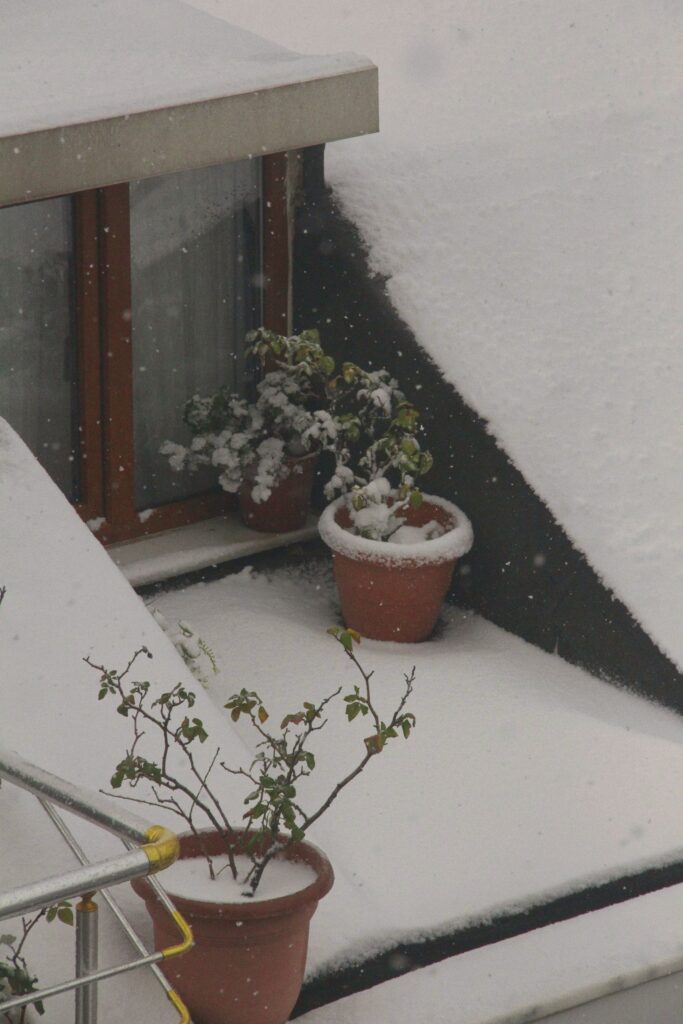
Money plant hates sudden cold — this becomes relevant in Islamabad, Murree foothills, and northern areas during winter, especially plants kept near windows, doors, or air conditioner vents.
How to confirm it: Yellowing appears suddenly after a cold night or right after being placed near an AC or open window in winter, often paired with slightly droopy, dull leaves.
Fix: Keep money plant away from direct AC blast and away from single-glazed windows in winter nights; ideal temperature range is 18–30°C.
8. Pests (Check the Undersides!)
Less common indoors, but not rare, especially for plants kept on balconies. Spider mites and mealybugs both cause yellow speckling or patches.
How to confirm it: Turn the leaf over — tiny white cottony spots (mealybugs) or fine webbing with tiny moving dots (spider mites, especially in dry summer heat).
Fix: Wipe leaves with a damp cloth, then spray with neem oil solution (widely available in Pakistan — ask for “neem oil” at any agri-store) mixed with a drop of dish soap, once a week for 3 weeks.
My Quick Diagnostic Checklist (Save This)
| Symptom | Likely Cause |
| Only old bottom leaves yellow, plant otherwise healthy | Normal aging — no action |
| Soft, mushy yellow leaves + wet soil | Overwatering / root rot |
| Crispy yellow leaves + dry soil | Underwatering |
| Yellow with brown crispy tips + white crust on soil | Hard/chlorinated water buildup |
| Bleached yellow patches facing window | Too much direct sun |
| Overall pale yellow, older leaves first | Nitrogen deficiency |
| Yellow with green veins | Magnesium/iron deficiency |
| Sudden yellowing after cold night/AC exposure | Temperature stress |
| Yellow speckles + tiny bugs under leaf | Pest infestation |
A Personal Note
In five years of working with houseplants across Pakistan, the single most common mistake I see isn’t lack of love — it’s too much love in the form of watering. If you take away one thing from this article, let it be this: check the soil before you water, every single time. Your money plant doesn’t need daily attention; it needs consistent, correct attention.
Once you get the watering rhythm right for your specific home — your light, your season, your water source — pothos becomes genuinely one of the easiest, most rewarding plants you can grow. New leaves within weeks, trailing vines within months, and a plant that quite literally thrives on being left alone (within reason). Fix the yellow leaves once, understand why they happened, and you’ll likely never see this problem again.
FAQs — Money Plant Yellowing
Q1: Is it normal for money plant to shed leaves in winter in Pakistan?
Yes, slightly slower growth and occasional yellowing of older leaves is normal in winter, especially in colder cities like Islamabad and Murree. Just reduce watering frequency during this period — the soil dries much slower in cold weather.
Q2: Can I use RO waste/reject water for my money plant?
Reject water from RO systems is usually high in concentrated minerals and not ideal for regular watering — it can worsen yellowing over time. It’s fine occasionally, but don’t make it your main water source.
Q3: I water my money plant daily — is that wrong?
In most cases, yes. Daily watering is the single biggest cause of yellow, mushy leaves in Pakistani homes. Water only when the top 2 inches of soil feel dry to touch.
Q4: My money plant is in a glass bottle of water — why are leaves turning yellow?
Change the water every 1–2 weeks (stagnant water grows algae and bacteria that stress roots), and add a small pinch of liquid fertilizer occasionally since water alone lacks nutrients long-term.
Q5: Does keeping money plant near the TV or WiFi router affect it (a common belief here)?
No scientific evidence supports this. Yellowing is caused by watering, light, water quality, or nutrients — not electronics or radiation.
Q6: Is yellow money plant a bad sign according to Vaastu/Feng Shui, and does that mean I should throw it away?
That’s a matter of personal or cultural belief, not horticulture — I’ll leave that decision to you. From a plant-health perspective, a yellow leaf is simply a fixable signal, not a reason to discard an otherwise healthy plant. Trim the yellow leaf and address the root cause.
Q7: Can I revive a money plant that has already lost most of its leaves?
Yes, in most cases. As long as the stem is still green and firm (not black or mushy) and there are healthy white roots, cut back to healthy growth, fix the underlying issue (usually watering or light), and new leaves typically appear within 3–4 weeks.
Q8: What’s the best fertilizer available locally in Pakistan for money plant?
Any balanced NPK liquid fertilizer (20-20-20 or similar) from a local nursery or agri-store works well, diluted to half the recommended strength, applied once a month during March–October.
Have a specific case that doesn’t match these patterns? Drop a description (and a photo if possible) in the comments — I personally read and respond to reader questions on Gardeningwithus.com every week.