

By Muhammad Adeel Asghar, M.Sc. (Hons.) Horticulture
I’ve been designing gardens for clients across Lahore, Islamabad, and a fair number of rooftop projects in Karachi’s DHA and Clifton for the past five years, and if there’s one thing people get wrong before they even call me, it’s this: they think a rooftop garden is just “a normal garden, but higher up.” It isn’t. The heat is different, the wind is different, the drainage problem is different, and honestly, most of the guides floating around online are written for British or American rooftops with completely different weather and structural codes. None of that translates directly to a slab roof in Multan in June.
So this article is written specifically for Pakistani homes — our structure types, our climate zones, our available materials, and the actual mistakes I see homeowners make every season. 
Before You Buy a Single Plant: Check the Structural Load
This is the step almost everyone skips, and it’s the one that actually matters most.
Most Pakistani homes are built with reinforced cement concrete (RCC) slabs, and a standard residential rooftop slab is generally designed to carry a live load of around 150 kg per square meter, sometimes less in older constructions built before updated building codes were common. Wet soil, especially in bigger pots or raised beds, is heavy — a medium-sized ceramic pot filled with wet potting mix can easily weigh 40-60 kg on its own. Multiply that by a dozen pots plus furniture plus people standing around, and you can genuinely stress a slab that wasn’t built for it.
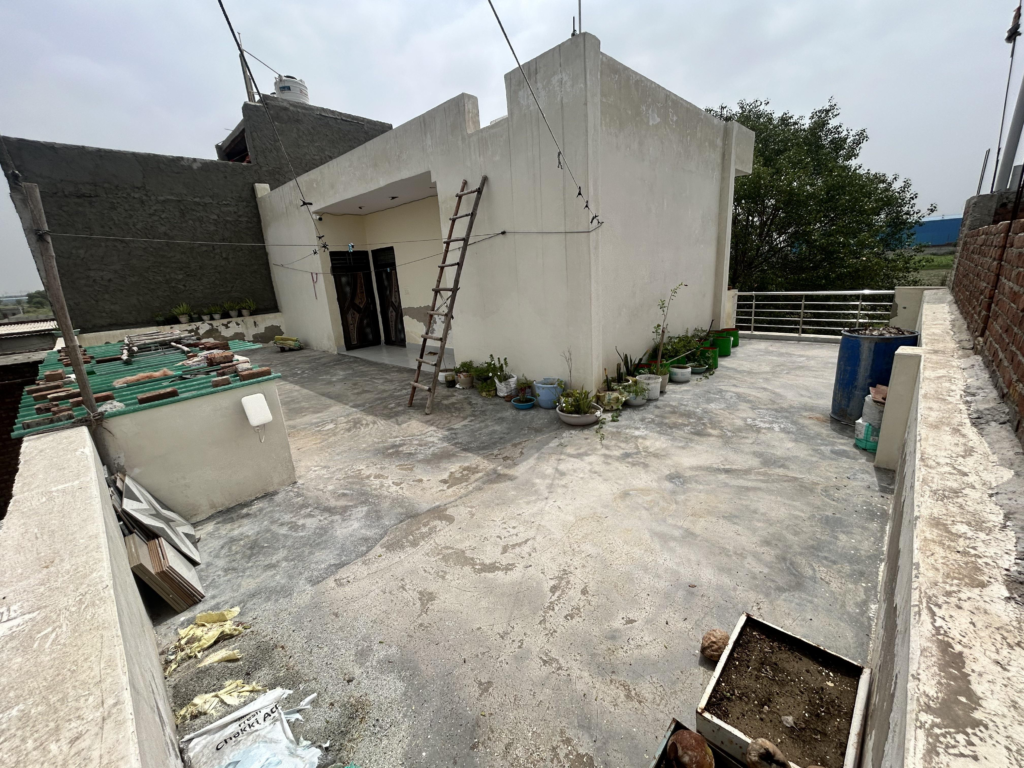
My rule of thumb for clients: if your house is more than 15-20 years old, or if you’re planning anything beyond lightweight container gardening (like raised beds, a small lawn patch, or a pergola with climbers), get a structural engineer or an experienced contractor to physically check the slab thickness and reinforcement before you start. It costs a small consultation fee and saves you from a genuinely dangerous outcome. This is not something you can Google your way around — every roof is different.
Waterproofing Comes First, Gardening Comes Second
Every single rooftop garden failure I’ve been called to fix in Lahore has had the same root cause: water seeping into the slab and damaging the ceiling of the floor below.
Here’s what actually works in our climate:
- Apply a bituminous waterproofing membrane or acrylic-based waterproof coating on the entire rooftop surface before placing anything on it, not just under the planting area. Brands like Berger’s Weathercoat or local waterproofing chemical solutions (available from most hardware markets in Ichhra, Lahore, or Bohri Bazaar, Karachi) work well when applied by someone who knows the correct number of coats.
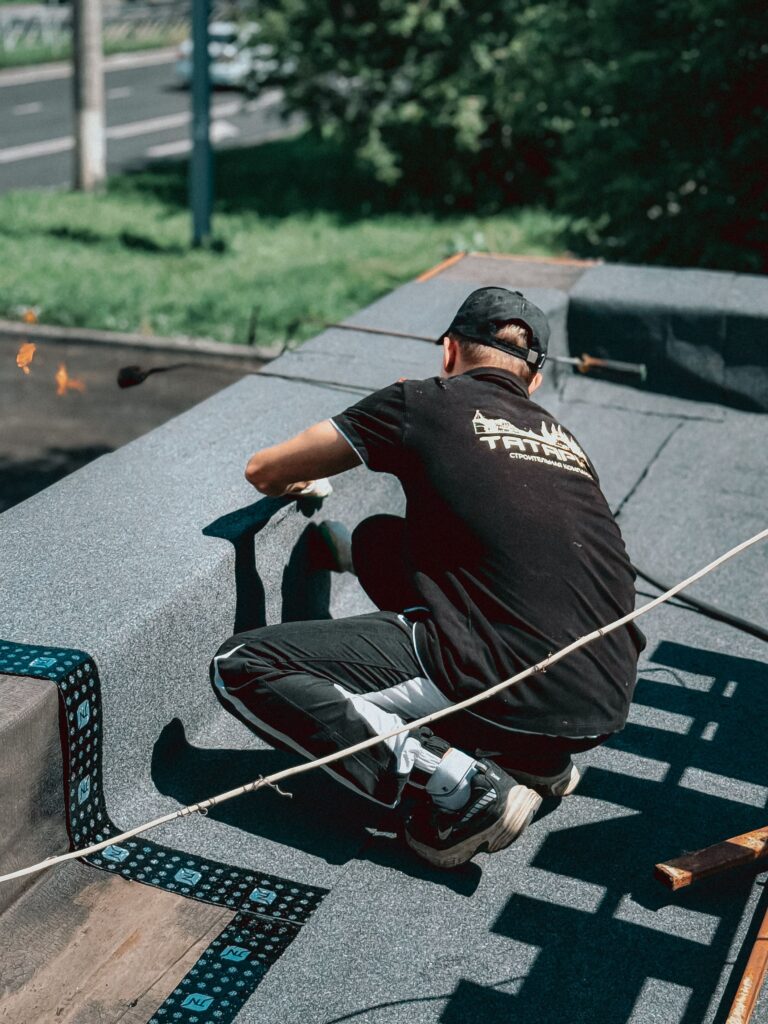
- Never place pots or beds directly on bare waterproofed concrete. Use a layer of interlocking tiles, wooden decking, or at minimum, bricks/pot feet to create airflow and prevent water pooling that slowly breaks down the membrane.
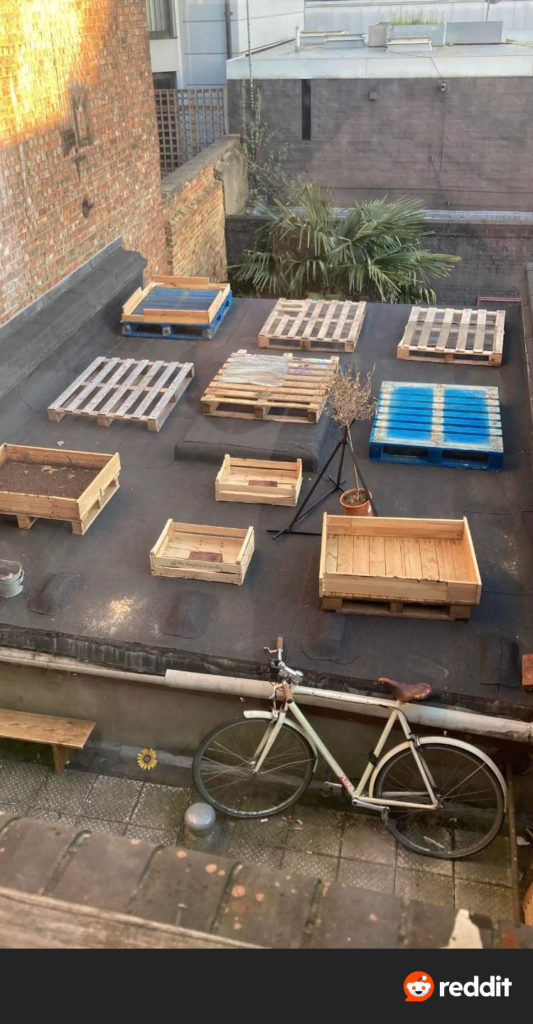
- Slope matters. Pakistani rooftops usually have a built-in slope toward a drain outlet (naala). Never block this drain with soil, roots, or fallen leaves — I’ve seen entire rooftop gardens flood a house during monsoon because someone unknowingly built a raised bed right over the drainage point.
- If you’re going for raised beds instead of pots, line the base with a pond liner or thick polythene sheet with drainage holes, not just soil directly on the tiles.
Choosing Plants That Actually Survive Pakistani Rooftop Conditions
Rooftops in Pakistan face intensified conditions compared to ground-level gardens — stronger wind, more direct sun exposure with no shade from surrounding buildings, and much faster soil drying because of heat radiating off the concrete below the pots.
For Lahore, Islamabad, and Punjab’s plains (hot summers, cold winters):
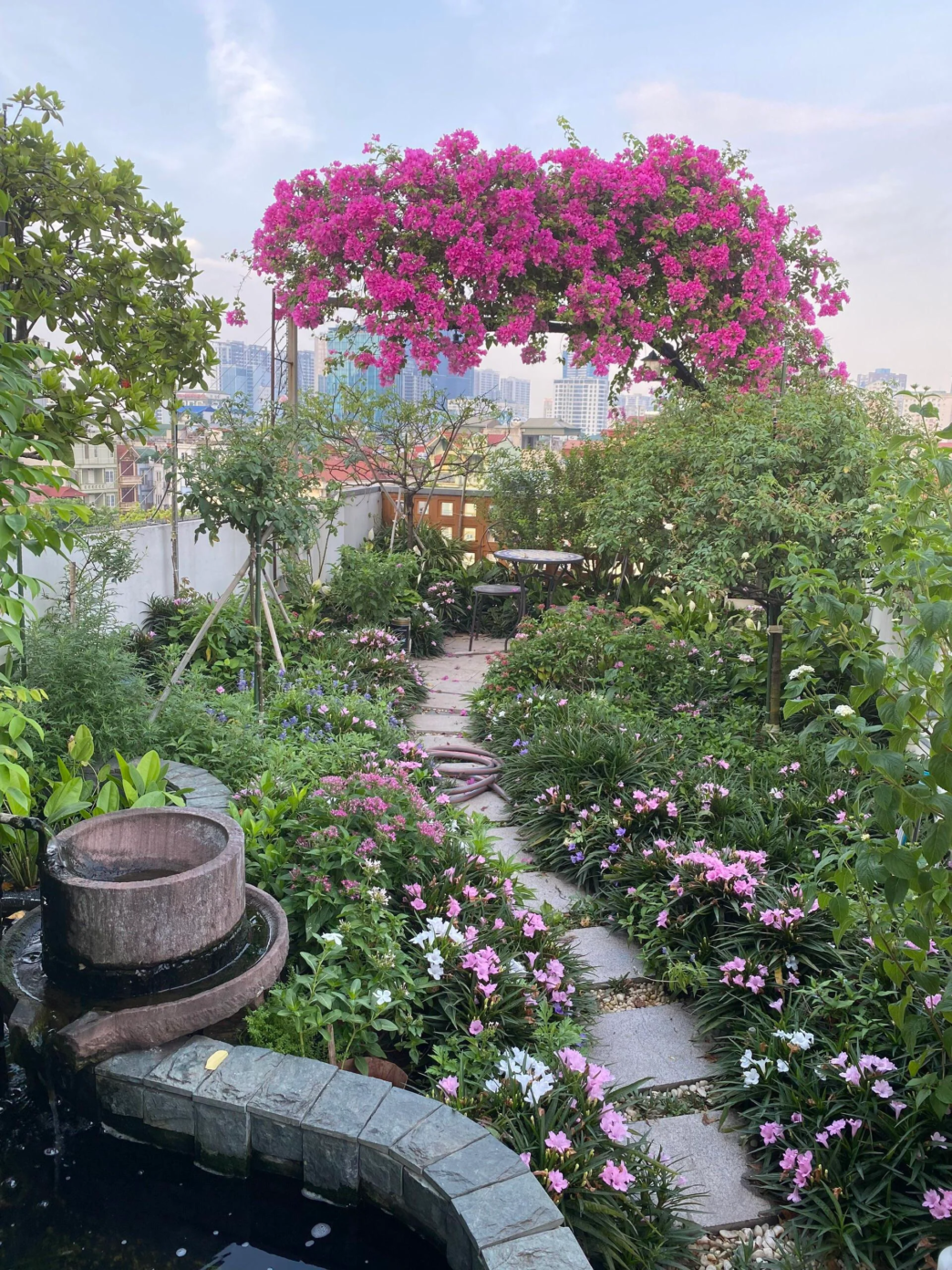
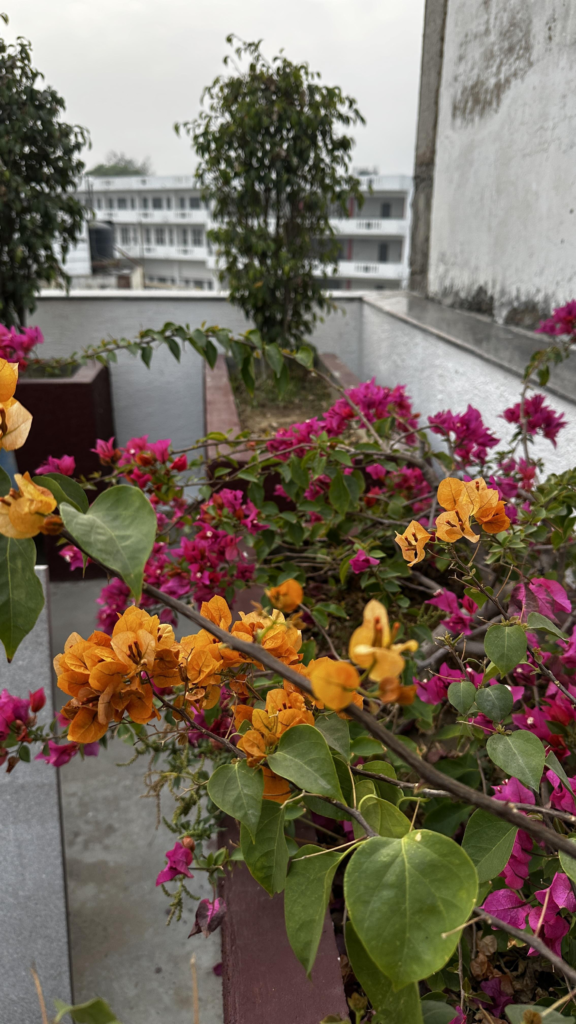
- Money plant (Epipremnum aureum) and Bougainvillea for vertical greenery on trellises — Bougainvillea in particular tolerates our brutal June-July heat better than almost anything else and gives color for months.
- Aloe vera, Jade plant, and other succulents for spots that get harsh afternoon sun — they store water and don’t need daily attention.
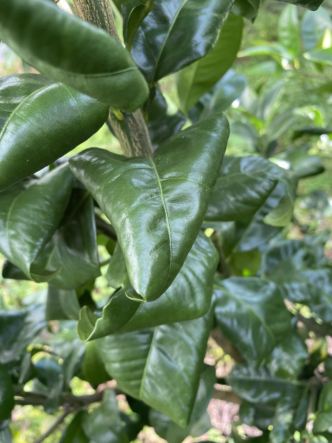
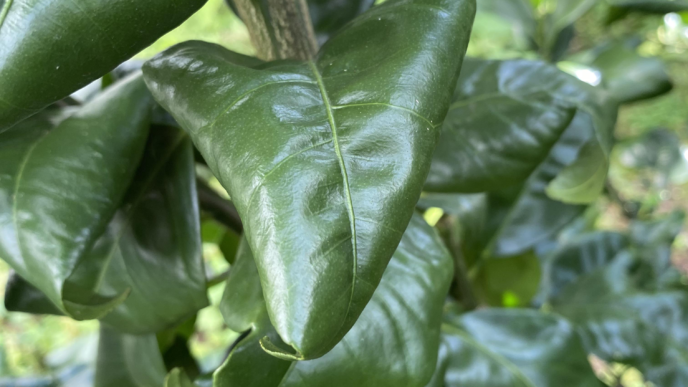
- Curry leaf plant (Kadi Patta) and Lemon (Kaghzi Nimbu) — genuinely productive, useful in the kitchen, and both handle Punjab’s heat reasonably once established.
- Avoid delicate ferns and shade-lovers unless you’re building a proper pergola or shade net structure — direct rooftop sun in Punjab summers will scorch them within days.
For Karachi (humid, salty coastal air):
- Hibiscus (Gurhal) does exceptionally well and tolerates the humidity.
- Bottle palm and areca palm in large containers give a nice vertical element without heavy maintenance.
- Be cautious with metal structures — the salt-laden coastal air corrodes untreated iron trellises and railings faster than in Punjab. Go for galvanized iron or powder-coated frames.
For Islamabad and northern areas (cooler, more rainfall):
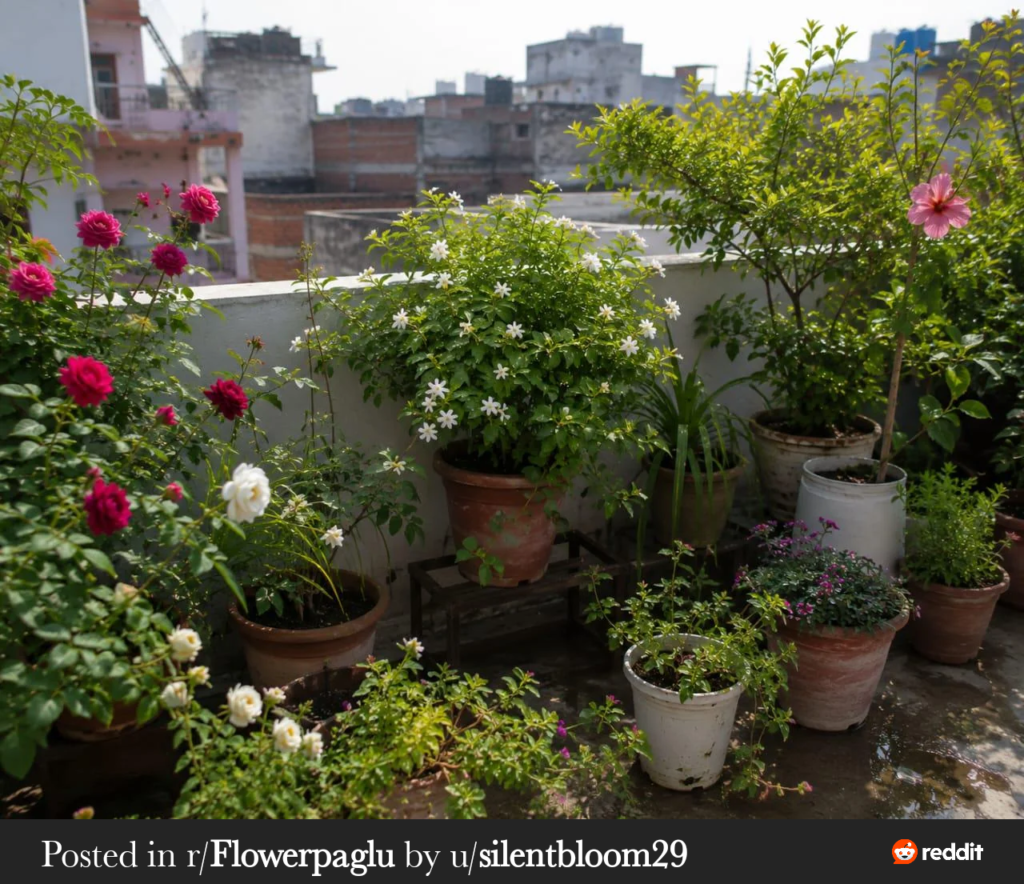
- You have more flexibility — roses, seasonal winter flowers like petunia and pansy, and even small dwarf fruit trees like guava in large containers do well because the temperature swing is less extreme than Punjab’s plains.
Layout Ideas That Work for Pakistani Rooftop Sizes
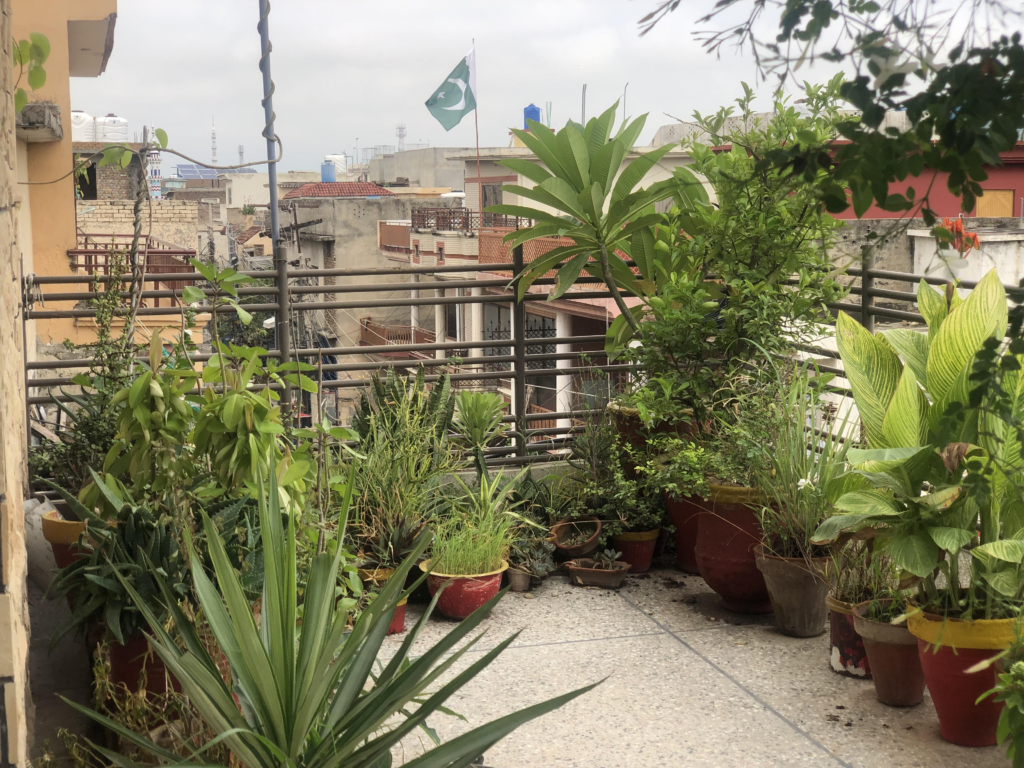
Most Pakistani rooftops are modest — think 5 marla to 10 marla homes where the roof might be 400-800 square feet, often shared with a water tank, satellite dish, and laundry drying area. Here’s how to actually make that work rather than fighting it
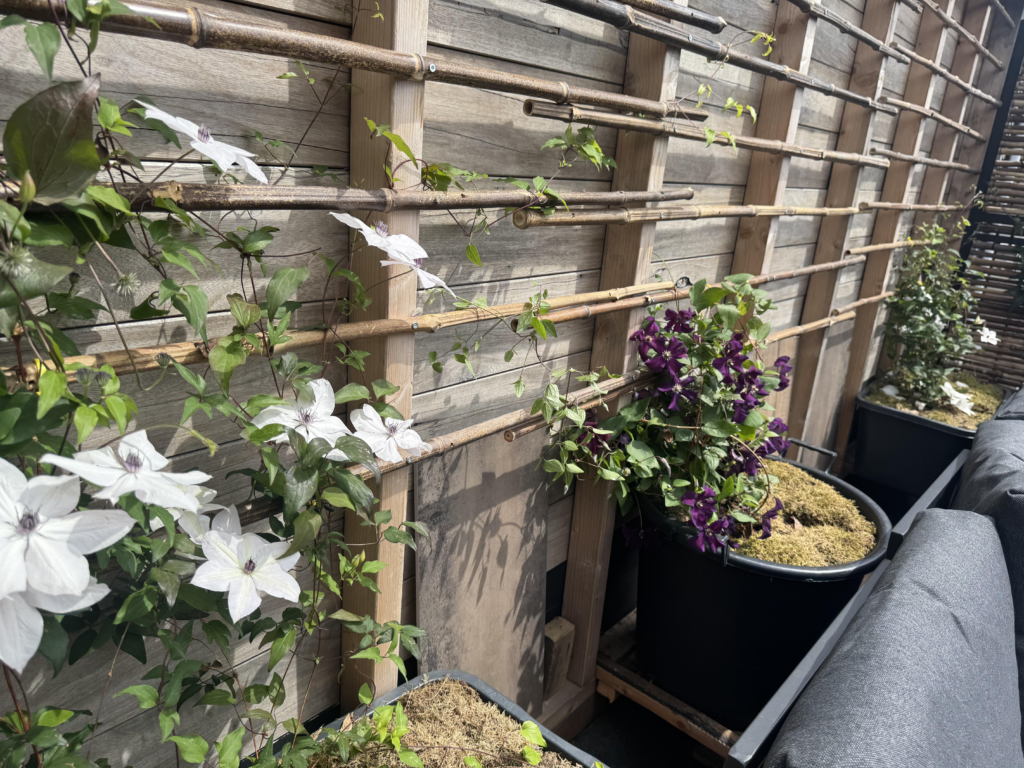
1. The Perimeter Green Wall Approach
Instead of using up your open walking space, line the boundary walls (parapet) with hanging planters or a simple trellis system with climbers like money plant or morning glory. This keeps the center of the roof free for sitting, drying clothes, or kids playing, while still giving a green, cooler feel to the whole space.
2. The Zoned Layout
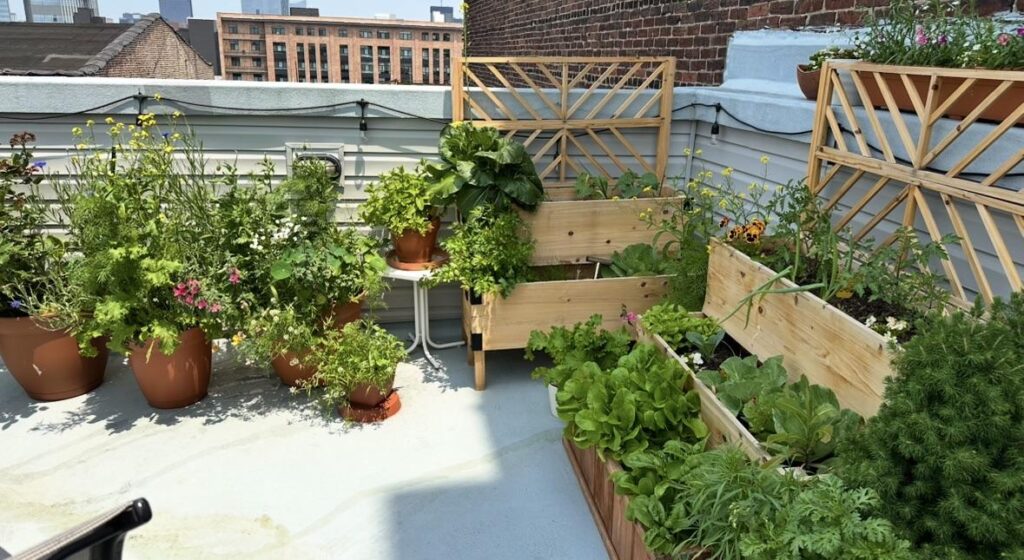
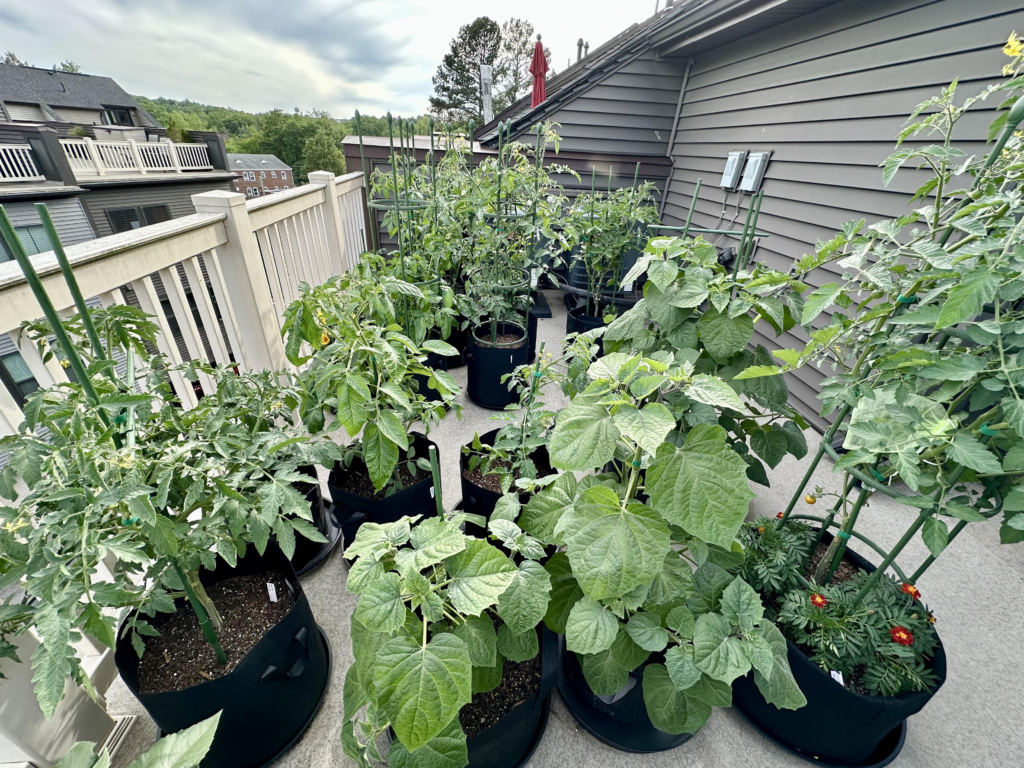
Divide the roof into three zones: a seating/charpai corner with potted shade plants around it, a “kitchen garden” zone with mint, coriander, chillies, and tomatoes in grow bags near the water tank (easier watering access), and a decorative zone near the stairwell entrance with flowering plants that greet you as you come up.
3. Grow Bags Over Heavy Pots
This is something I push clients toward more and more. Fabric grow bags (locally available in nurseries in Johar Town, Lahore or Karachi’s Sea View nursery stretch) hold soil just as well as ceramic pots but weigh a fraction of the amount when empty, drain better, and prevent the root-rot that’s common in the monsoon months when clay pots stay waterlogged.
Dealing With Pakistan’s Two Real Enemies: Heatwaves and Monsoon
During May-August heatwaves: Water twice daily (early morning and after Maghrib), never at midday — water on hot soil at noon can actually shock roots and evaporate before it’s absorbed anyway. Use a 2-3 inch mulch layer (dry leaves, rice husk if you can get it from a local mill, or wood chips) on top of soil to slow moisture loss.
During monsoon (July-September): This is when rooftop gardens fail the most in Pakistan because of drainage, not lack of rain. Make sure every single pot has adequate drainage holes — I recommend drilling extra holes yourself if store-bought pots only have one small hole in the center. Elevate pots on bricks or pot feet so water doesn’t sit at the base. Check your rooftop’s main drainage outlet weekly during monsoon season to clear leaves and debris.
A Note on Cost (Because Everyone Asks)
For a modest 300-400 square foot rooftop in a city like Lahore, a reasonably complete setup — waterproofing (if not already done), grow bags/pots, decking tiles, soil, and an initial set of plants — typically runs somewhere in the range of PKR 40,000 to 90,000 depending on how much of the labor (waterproofing especially) you’re outsourcing versus doing yourself. Waterproofing alone, if your roof hasn’t had it done recently, is usually the single biggest cost, but it’s also the one expense you genuinely cannot skip.
Frequently Asked Questions
Q1: Can I make a rooftop garden on any house in Pakistan, or does the roof type matter?
It largely depends on the slab type and age. RCC slab roofs (the most common type in urban Pakistan) can generally support a lightweight container garden, but older homes or homes with visible cracks in the ceiling below should get a structural check first. Homes with lentor (wooden beam and tile) roofing, more common in older parts of cities like Peshawar or old Lahore, need extra caution and usually aren’t suitable for anything beyond a few very light pots.
Q2: Will a rooftop garden cause seepage in my house?
Only if waterproofing isn’t done properly, or if pots are placed directly on unprotected concrete for a long period. Proper waterproof coating, elevated pots, and clear drainage paths prevent this almost entirely. Seepage complaints I get called for are nearly always a waterproofing failure, not a “gardening” failure.
Q3: What is the best time of year to start a rooftop garden in Pakistan?
Late September to November (right after monsoon ends and before winter fully sets in) is ideal in most of Pakistan. The soil settles well, temperatures are mild enough for plants to establish roots without heat stress, and you avoid both the summer heatwave and monsoon flooding risk while your garden is still young and vulnerable.
Q4: Can I grow vegetables on my rooftop, or is it just for decorative plants?
Absolutely, and it’s one of the most rewarding uses of rooftop space in Pakistan. Chillies, tomatoes, mint, coriander, spinach, and even okra do well in grow bags or deep containers (minimum 12-14 inches depth for root vegetables and tomatoes). Just make sure the spot gets at least 5-6 hours of direct sunlight, which most Pakistani rooftops have no shortage of.
Q5: How do I stop birds and monkeys (a real problem in areas like Islamabad and Murree foothills) from destroying rooftop plants?
A simple bamboo or nylon garden net stretched over a frame works well and is inexpensive. For birds specifically, old CDs or reflective tape tied to strings around the garden’s edge disrupts their landing pattern without harming them.
Q6: Do I need special soil for rooftop gardening, or can I use normal garden mitti?
Regular garden soil is usually too heavy and compacts quickly in containers, which suffocates roots. I recommend a mix of garden soil, compost (locally available as “khaad” from nurseries), and coco peat or rice husk in roughly equal parts. This keeps the mix light, well-draining, and nutrient-rich — important since container soil depletes faster than ground soil and needs replenishing every 6-8 months.
Q7: Is it expensive to maintain a rooftop garden long-term, or just to set up?
Setup is the bigger cost. Ongoing maintenance — water, occasional fertilizer, and replacing seasonal flowers — usually costs a few thousand rupees a month for an average-sized setup, especially if you’re growing your own herbs and vegetables, which actually offsets some of that cost through what you’d otherwise spend at the sabzi mandi.
Have a specific rooftop layout or a problem area you’re not sure what to do with? Drop your city and roof size in the comments — happy to point you in the right direction.