

Written by Muhammad Adeel Asghar | M.Sc. (Hons.) Horticulture
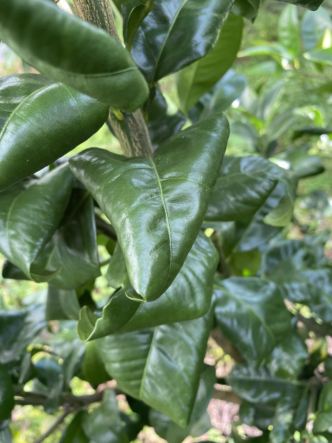
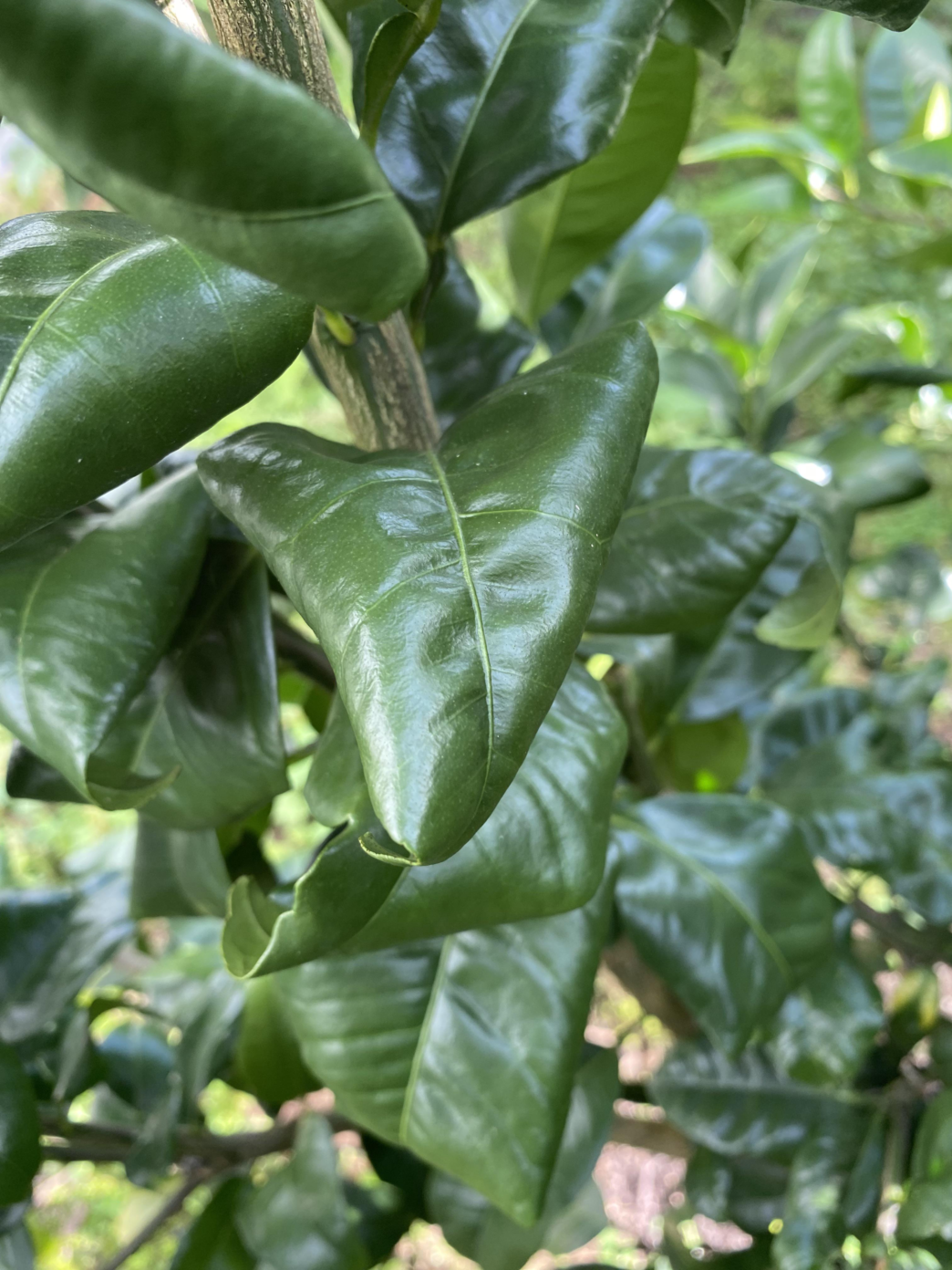
If you’re growing kinnow, mausambi, lemon, or malta in your home garden or orchard and you’ve noticed your citrus leaves twisting, curling, or forming silvery trails on the surface, you’re not alone. This is one of the most common questions I get from fellow gardeners across Punjab and Sindh, especially during the flush growth season in spring and after monsoon rains.
The tricky part? Two very different problems — citrus leaf miner damage and nutrient deficiency — can both cause curling leaves, and most home gardeners (and even some nursery workers) confuse the two. Treating one problem with the solution meant for the other wastes your time, money, and can actually stress your plant further. 
In this article, I’ll walk you through exactly how to tell the difference between the two, based on real diagnosis techniques I use in the field, not just generic advice you’ll find copy-pasted everywhere online.
Why This Confusion Happens So Often
Citrus plants respond to almost every kind of stress — pest, disease, water, or nutrition — by curling their leaves. This is a defense mechanism to reduce the leaf surface exposed to whatever is stressing it. So visually, at first glance, everything looks similar. But if you know where to look on the leaf and when the curling started, the diagnosis becomes very clear.
Leaf Miner Damage: What It Actually Looks Like
The citrus leaf miner (Phyllocnistis citrella) is a tiny moth whose larvae tunnel inside the leaf tissue. It’s extremely common in Pakistan’s citrus belt — Sargodha, Toba Tek Singh, Sahiwal, and even home gardens in Islamabad and Lahore during the new flush season (March–April and again in August–September).
Signs to check:
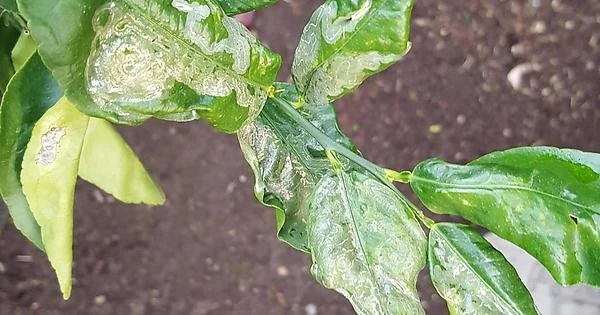
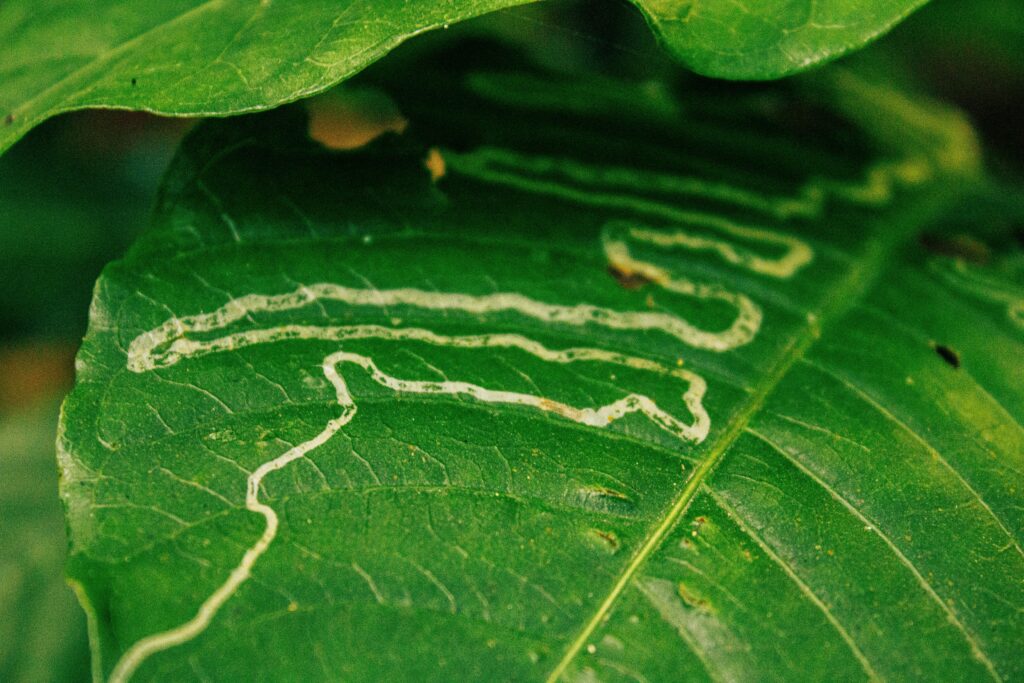
- Silvery, winding trails on the leaf surface — these look like squiggly, shiny lines, almost like a snail crawled across the leaf in a zig-zag pattern. This is the actual tunnel the larva made while feeding inside the leaf.
- Curling starts only on new, tender leaves — mature, hardened leaves are rarely affected because the larva cannot penetrate thick cuticle.
- The leaf curls tightly along the mined trail, not uniformly across the whole leaf.
- No pattern of yellowing between veins — the leaf tissue color mostly stays green except right along the mined tunnel, which may turn slightly brown or papery.
- Hold the leaf up to sunlight — you may actually see the tiny larva or its trail glowing translucent.
When it appears: Almost always on new flush growth, right after pruning, fertilizing, or the natural spring/monsoon flush.
Nutrient Deficiency: What It Actually Looks Like
Nutrient-related curling is a slower, more systemic problem, and it usually affects a broader part of the plant, not just the newest leaves.
Here’s how to break it down by the exact nutrient, something most generic articles skip:
Nitrogen deficiency
- Leaves curl downward and turn pale yellow-green uniformly, starting from older leaves first.
- Whole plant looks “tired,” fewer new shoots.
Zinc deficiency (very common in Pakistan’s alkaline, calcareous soils)
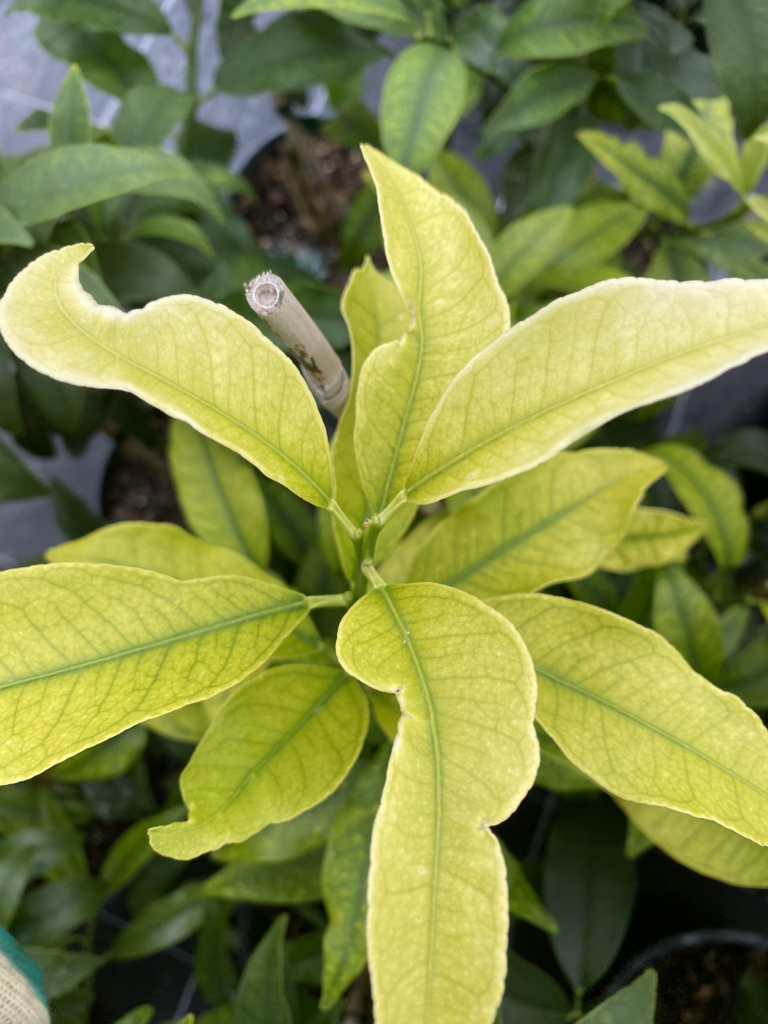
- Leaves become small, narrow, and curl upward with a distinct interveinal yellowing — the veins stay green while the tissue between them turns pale yellow (“Chlorosis” pattern).
- This is called “little leaf” in local orchards and is extremely common in Sargodha kinnow belt due to high soil pH.
Manganese/Iron deficiency
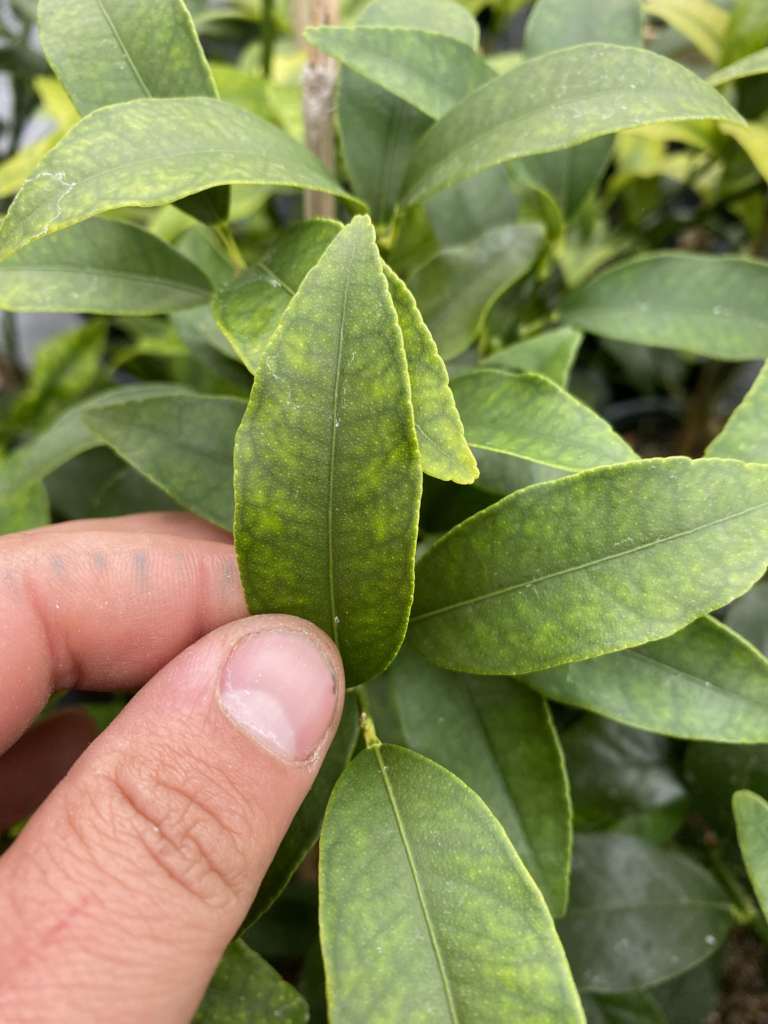
- Similar interveinal yellowing but usually appears first on the youngest leaves at the shoot tip, giving a “checkered” look.
- Iron deficiency leaves can look almost white-yellow with fine green veins — very distinct from leaf miner.
Potassium deficiency
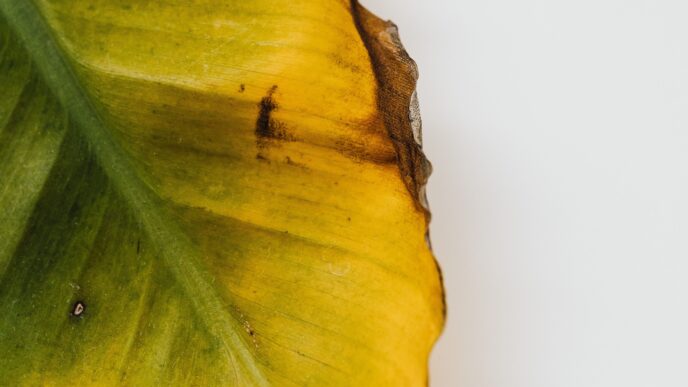
- Leaf tips and margins curl and show a scorched, bronze-brown edge, especially on older leaves.
- Fruit quality drops (thin peel, less juice) — a strong clue this is nutritional, not pest-related.
Boron deficiency
- Leaves become thick, leathery, and curl with a corky texture — rare but seen in poorly drained, waterlogged soils common after heavy monsoon rains.
Key identification point: Nutrient deficiency symptoms are almost always symmetrical and pattern-based (interveinal, marginal, or whole-leaf), and they progress gradually across many leaves and branches — not isolated to a few random new leaves like leaf miner damage.
Quick Field Diagnosis Table
| Feature | Leaf Miner | Nutrient Deficiency |
| Silvery tunnel trails | Yes, always present | Never present |
| Affects new leaves only | Yes | Sometimes (Fe, Mn) but often all leaves |
| Yellowing pattern | Random, along tunnel only | Symmetrical, interveinal or marginal |
| Timing | Right after flush growth | Gradual, over weeks/months |
| Whole plant appearance | Otherwise healthy | Overall dull, stunted growth |
| Fruit affected | Rarely | Often (size, peel, juice content) |
What To Do If It’s Leaf Miner
- Avoid heavy nitrogen fertilization during flush season — soft, nitrogen-rich new growth attracts more leaf miner moths.
- Prune off and destroy heavily mined leaves; don’t compost them on-site as larvae can pupate in fallen leaves.
- For organic control, neem oil spray (2%) every 7–10 days during flush growth works well and is affordable and available at almost any agri-store in Pakistan.
- For chemical control in commercial orchards, spinosad-based sprays are effective and safer for beneficial insects compared to broad-spectrum pesticides.
- Encourage natural predators — parasitic wasps naturally control leaf miner population if you’re not over-spraying broad insecticides.
What To Do If It’s Nutrient Deficiency
- Get a soil test first — this is the step most gardeners skip. In alkaline soils (common across Punjab, pH 7.5–8.5), zinc and iron become “locked” even if present in the soil, so adding more fertilizer without correcting pH won’t help.
- For zinc deficiency, foliar spray of zinc sulphate (0.5%) is faster-acting than soil application in high-pH soils.
- For iron chlorosis, chelated iron (Fe-EDTA or Fe-EDDHA) foliar sprays work far better than plain ferrous sulphate in our alkaline soil conditions.
- Apply farmyard manure (FYM) or well-rotted compost annually — this slowly improves micronutrient availability and soil structure, especially important in the tight clay-loam soils common in central Punjab.
- Maintain proper irrigation — both drought stress and waterlogging block nutrient uptake even when nutrients are present in soil.
A Field Note From My Experience
I’ve visited several kinnow orchards in Sargodha where growers were spraying insecticide after insecticide trying to fix curling leaves that were actually a zinc deficiency issue from high soil pH — a problem no amount of pesticide could ever fix. On the flip side, I’ve seen home gardeners in Islamabad apply fertilizer bags after fertilizer bags on a plant that simply had an active leaf miner infestation, wasting money and stressing the tree with excess salts.
The lesson: spend five minutes actually inspecting the leaf up close — check for the shiny tunnel trail — before deciding your treatment. This single habit will save you more money and plant stress than any product you can buy.
Final Thoughts
Your citrus tree is talking to you through its leaves — you just need to learn its language. Once you can tell the difference between a pest problem and a nutritional one, you’ll stop guessing and start treating your plants with confidence. That’s the difference between a struggling backyard citrus tree and a thriving one that gives you sweet, juicy kinnow or lemons year after year.
Take a closer look at your citrus leaves this week. With the right diagnosis, your tree can bounce back stronger than you think.s
Frequently Asked Questions (FAQs)
Q1: Can leaf miner damage kill my citrus tree?
No, leaf miner rarely kills a mature tree. It mostly affects the appearance and slightly reduces photosynthesis in young leaves. However, on young saplings (1–2 years old), heavy repeated infestation can slow down growth significantly, so early control is important for new plants.
Q2: Is zinc deficiency common in kinnow orchards in Pakistan specifically?
Yes, extremely common. Most of Punjab’s citrus-growing soils are calcareous and alkaline (high pH), which locks up zinc and iron even when present in the soil. This is why foliar sprays are often recommended over soil application for these two nutrients.
Q3: My new citrus leaves are curling right after I fertilized — is this normal?
If you applied a high-nitrogen fertilizer and new soft growth appeared shortly after, this can actually attract more leaf miner moths since they prefer tender leaves. Check for the silvery tunnel trail before assuming it’s a fertilizer burn issue.
Q4: Can I use neem oil for both leaf miner and nutrient deficiency problems?
Neem oil only helps with leaf miner and other pests — it has no nutritional value for the plant. For deficiencies, you need actual micronutrient sprays like zinc sulphate or chelated iron.
Q5: How often should I get my orchard soil tested?
For home gardens, once every 2 years is sufficient. For commercial kinnow or citrus orchards, an annual soil test before the fertilizer season (before flush growth in February–March) is highly recommended, especially to track pH and micronutrient levels.
Q6: Does watering with tap water affect nutrient uptake in citrus?
Yes, if your tap or tube well water is high in bicarbonates (common in many parts of Punjab), it can gradually raise soil pH over time, worsening zinc and iron lockup. Occasionally flushing with rainwater or slightly acidified water can help in badly affected soils.
Q7: Will pruning affected leaves spread the leaf miner to other parts of the plant?
No, pruning and destroying mined leaves actually helps reduce the population, as it removes larvae before they mature into egg-laying moths. Just make sure to dispose of the pruned leaves away from the tree, not as mulch underneath it.