

By Muhammad Adeel Asghar, M.Sc.(Hons.) Horticulture
If you’ve ever gone out to your kitchen garden in the morning with a cup of chai in hand, only to find your tinda leaves full of holes or your tomato plants wilting overnight, you already know the frustration. In my five years of working directly with home gardeners across Punjab and Sindh, I can tell you this is the single most common complaint I hear: “Sir, meri sabziyon ko keeray kha rahe hain, kya karoon?”
The good news? You don’t need harsh chemical sprays to protect a small kitchen garden (ghareloo baghicha). Most of the pests we deal with in Pakistan’s climate — hot, humid summers, mild winters, and unpredictable monsoon spells — can be controlled effectively using organic, low-cost methods that are safe for your family and your soil. Let me walk you through exactly what’s eating your vegetables and how to fix it, based on real field experience, not just textbook theory. 
Why Pakistani Kitchen Gardens Face Unique Pest Pressure
Before jumping into individual pests, it’s important to understand why our gardens are so pest-prone compared to, say, a European vegetable patch. Three factors combine here:
- Extended warm season — Many pests that die off in colder climates simply keep breeding here for 8–9 months of the year.
- High humidity in Punjab/Sindh plains during monsoon — This creates perfect conditions for fungal-pest combinations, especially whitefly-transmitted viruses.
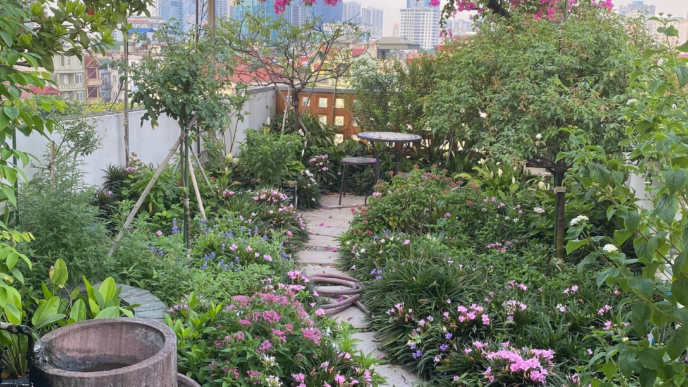
- Close planting in small urban gardens — Rooftop and courtyard gardens in cities like Lahore, Karachi, Faisalabad, and Islamabad often have vegetables planted very close together, which lets pests spread from one plant to the next within days.
Once you understand this, pest control stops being a “spray and pray” exercise and becomes a season-long management plan — which is exactly the mindset I want to help you build.
1. Aphids (Chaparra/Chapa) — The Silent Sap Suckers
What to look for: Tiny green, black, or yellow insects clustered on the underside of leaves and new shoots, especially on chillies, spinach (palak), and cabbage.
Why it happens in Pakistani gardens: Aphids explode in population during February–April and again in October–November — our two mild “shoulder seasons” — because these temperatures are ideal for their rapid breeding cycle (they can reproduce without mating).
Organic Control that actually works:
- Mix 1 tablespoon of neem oil, a few drops of any dishwashing liquid (as an emulsifier), and 1 litre of water. Spray in the early morning or evening — never in harsh midday sun, as it can scorch leaves.
- Release or attract ladybird beetles (piaari beetle) — plant a few marigold or dill plants nearby to draw them in naturally.
- A simple desi trick that many farmers in interior Sindh still use: crushed garlic and green chili soaked overnight in water, strained, and sprayed directly on affected leaves.
2. Whitefly (Safaid Makkhi) — The Virus Carrier
This is arguably the most economically damaging pest for tomato, chilli, and okra (bhindi) growers in Pakistan, not just because of the direct feeding damage but because whitefly spreads Leaf Curl Virus, which can wipe out an entire tomato crop.
Identification: Small white flying insects that scatter when you shake the plant.
Organic Control:
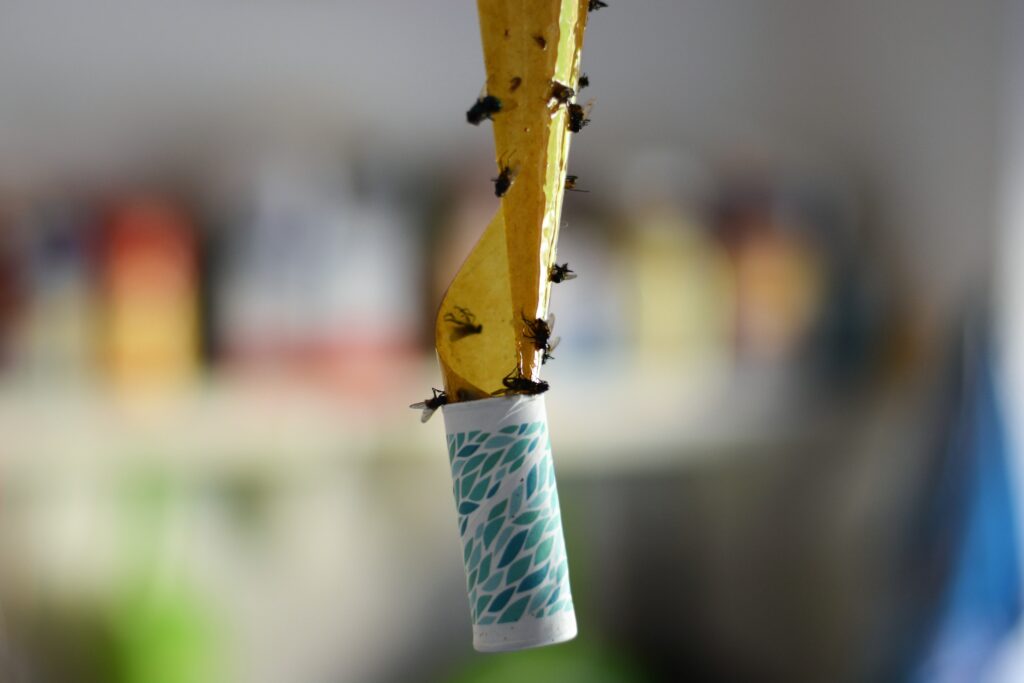
- Yellow sticky traps are extremely effective and cheap to make at home — coat a yellow cardboard piece with mustard oil or petroleum jelly and hang it near affected plants.
- Neem seed kernel extract (NSKE) sprayed every 10 days during peak season (March–May) significantly reduces population buildup.
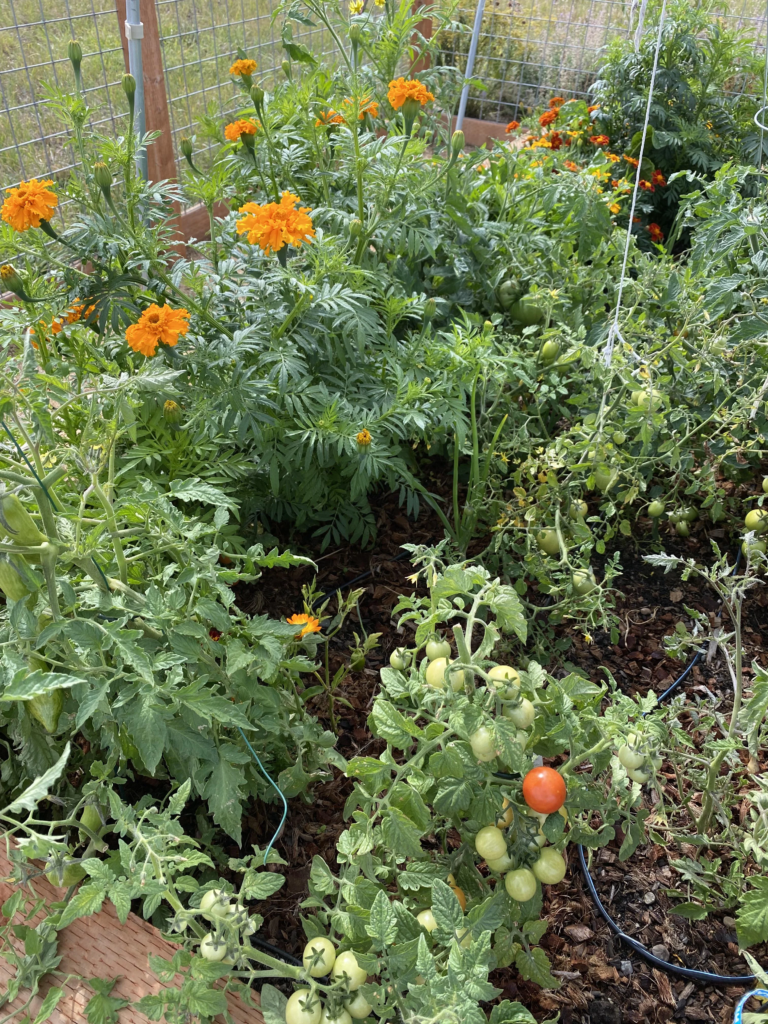
- Intercropping with marigold reduces whitefly landing rates — this is a technique I’ve personally tested in demonstration plots and seen consistent results with.
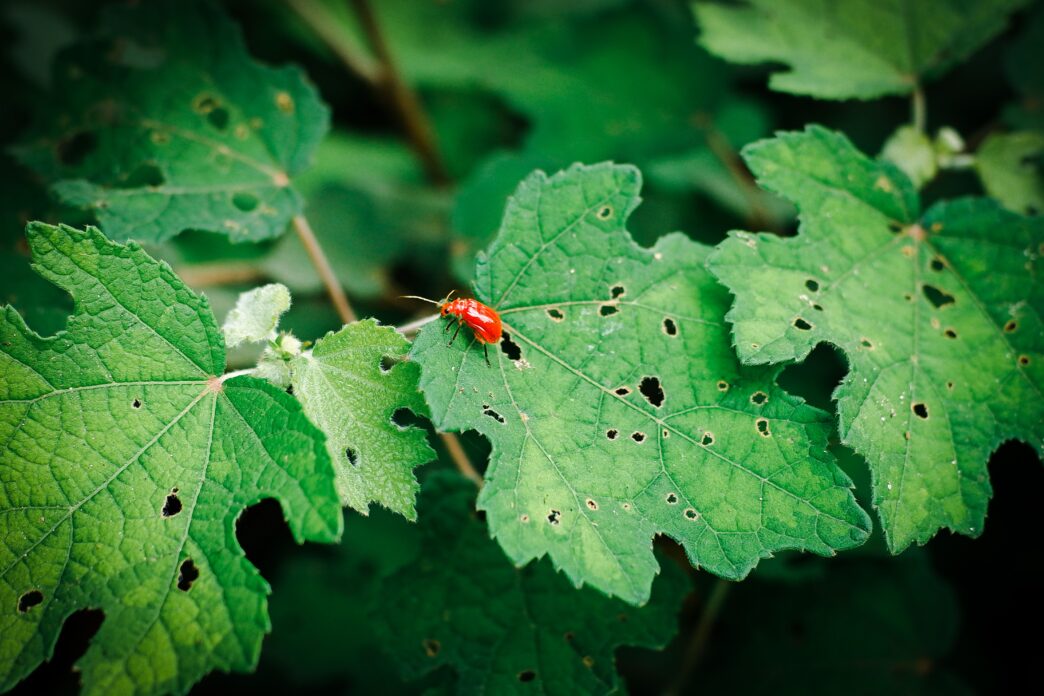
3. Red Pumpkin Beetle (Sunehri Beetle) — The Cucurbit Menace
If you’re growing lauki, tinda, karela, or kaddu, you’ve almost certainly met this orange-red beetle that skeletonizes young leaves within days of germination.
Why it’s tricky: The adult beetle attacks above ground while the larvae attack roots underground — so a single visible spray often isn’t enough.
Organic Control:
- Dust wood ash (raakh) around the base of young seedlings — this is one of the oldest and most reliable desi remedies, and it genuinely works as a physical deterrent.
- Cover young seedlings with a thin net (used tulle/dupatta fabric works fine) for the first 15–20 days when plants are most vulnerable.
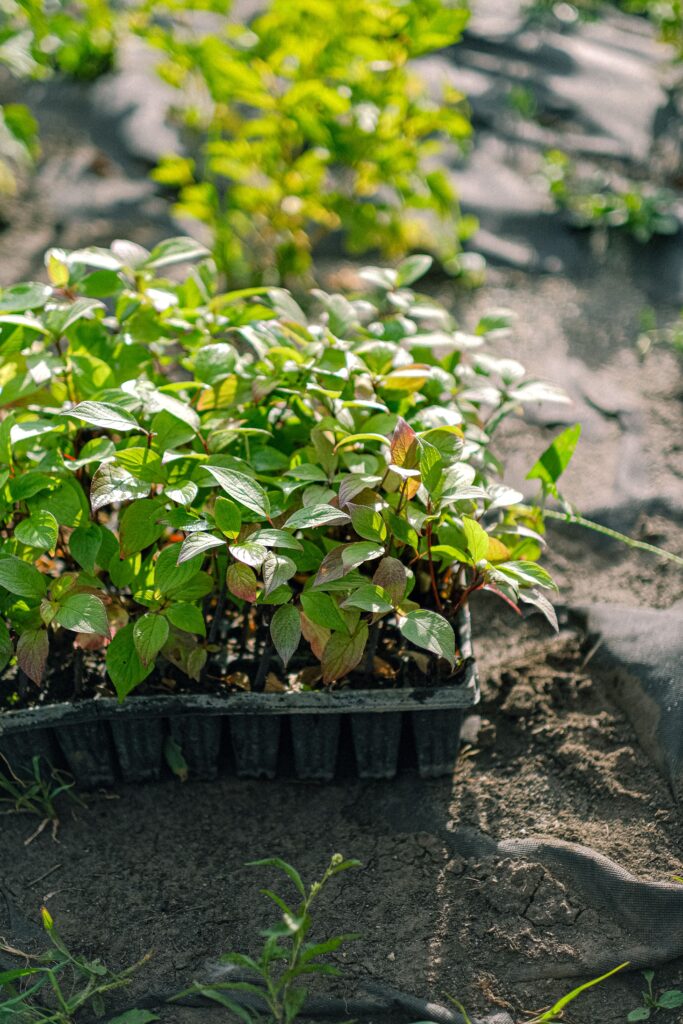
- Delay direct sowing by raising seedlings in nursery trays for 2–3 weeks before transplanting — beetles are far less interested in slightly matured plants.
4. Fruit Fly (Phal Ki Makkhi) — Devastating for Karela, Tori, and Guava
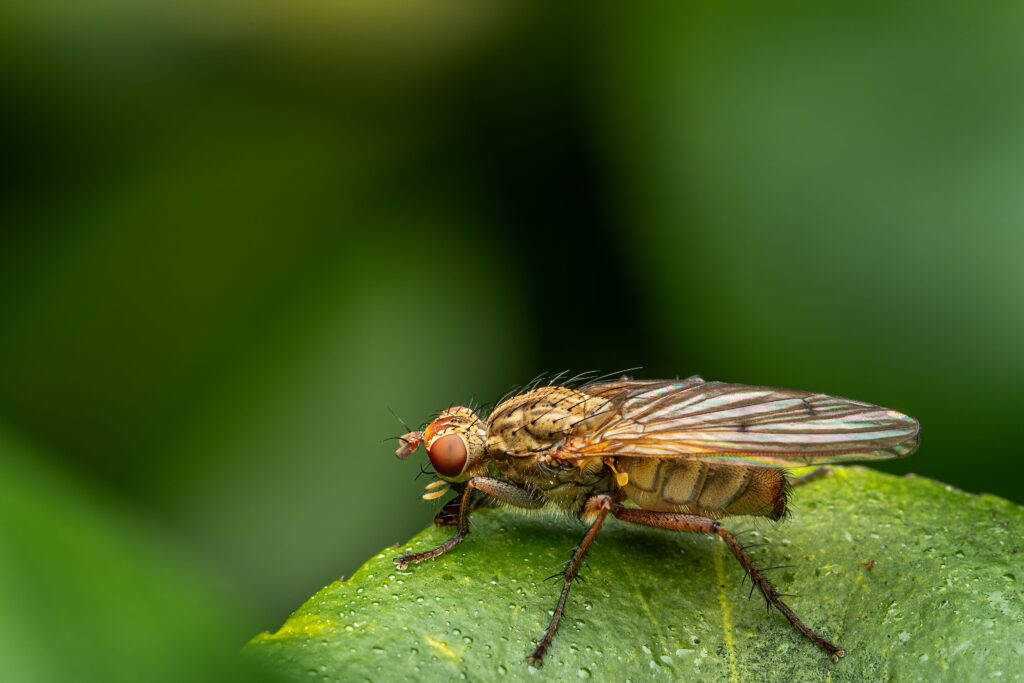
Fruit fly is the reason so many home gardeners find their bitter gourd or ridge gourd rotting from the inside despite looking fine from outside.
Organic Control:
- Homemade fruit fly traps: cut a plastic bottle, fill with a mixture of jaggery (gur) water and a few drops of vinegar, hang near the plant. The sweet smell attracts and traps adult flies before they lay eggs.
- Bag individual fruits with paper or cloth bags once they reach finger-size — labor-intensive but nearly 100% effective for small gardens.

- Remove and destroy (don’t compost) any infested fruit immediately to break the breeding cycle.
5. Cutworms (Katua Sundi) — The Overnight Killers
New gardeners often panic when their healthy seedling is simply gone one morning, cut clean at the base. This is almost always cutworm damage, most active at night.

Organic Control:
- Place a small cardboard or plastic cup collar around the base of each seedling, pushed slightly into the soil — this physical barrier is remarkably effective and costs nothing.
- Hand-pick the worms in early morning; they curl up just below the soil surface near the damaged plant.
- Neem cake mixed into the soil at planting time disrupts the larvae’s development cycle.
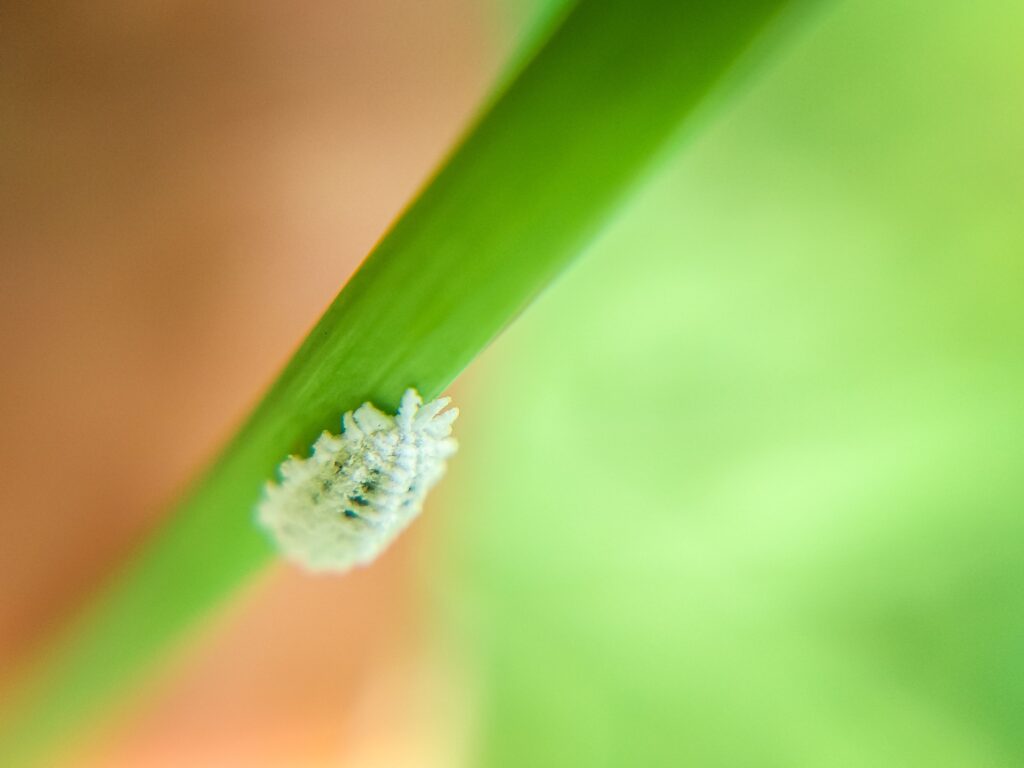
6. Mealybugs (Chitti Sundi) — Common on Brinjal (Baingan) and Okra
Identification: White, cottony clusters on stems and leaf joints.
Organic Control:
- Dab affected areas directly with cotton swabs dipped in diluted neem oil or even rubbing alcohol (isopropyl) — this kills on contact without harming the plant.
- Avoid over-fertilizing with nitrogen, as lush, soft growth attracts mealybugs disproportionately — a mistake I see constantly in home gardens that over-use urea.
Building a Season-Long Organic Defense Plan
Here’s the framework I recommend to every gardener I consult with, rather than treating pest control as a one-time emergency response:
- Healthy soil first — Well-composted soil with good organic matter produces stronger plants that naturally resist pest attack.
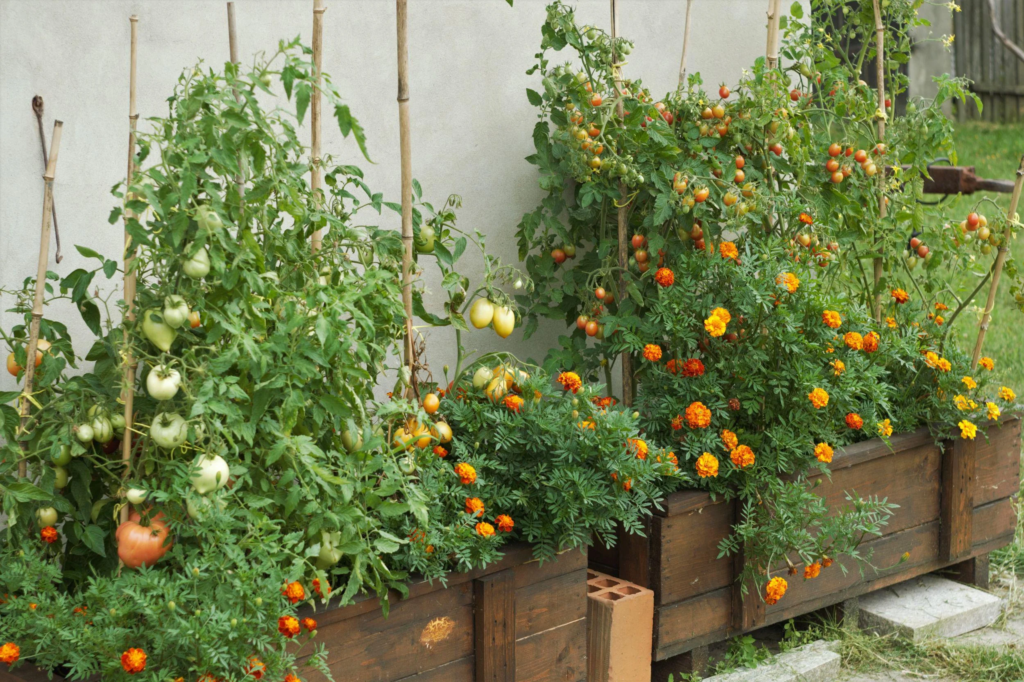
- Companion planting — Marigold, garlic, and coriander planted around the border of your kitchen garden genuinely reduce pest pressure; this isn’t folklore, it’s documented in horticultural pest-management literature.
- Rotate your neem spray schedule — spraying weekly during peak pest months (March–May and August–October) prevents population buildup rather than reacting after damage is visible.
- Encourage natural predators — ladybird beetles, spiders, and birds are your free labor force; avoid broad-spectrum sprays (even organic ones) that kill beneficial insects along with pests.
- Inspect daily, even for two minutes — most pest problems in my experience become “disasters” simply because they went unnoticed for a week.
Frequently Asked Questions (FAQs)
Q1: Kya neem oil sab pests ke liye kaam karta hai?
Neem oil is broad-spectrum and works well against aphids, whitefly, and mealybugs, but it is less effective on hard-bodied pests like cutworms and beetle larvae, where physical barriers or soil-applied neem cake work better.
Q2: Organic sprays kitni dair mein asar dikhate hain?
Unlike chemical pesticides, organic sprays generally take 3–7 days of consistent application to show visible results, since they work more through repelling and disrupting feeding/breeding rather than instant kill.
Q3: Kya main organic aur chemical dono methods sath istemal kar sakta hoon?
It’s possible, but not recommended for a kitchen garden meant for home consumption — mixing methods can kill beneficial insects that would otherwise help you long-term, undermining your own pest control efforts.
Q4: Rooftop garden mein pest control ke liye kya farq hai?
Rooftop gardens generally have fewer natural predators (birds, ladybird beetles) due to isolation from the ground ecosystem, so proactive measures like sticky traps and companion planting become even more important than in ground-level gardens.
Q5: Barish ke mausam mein pests kam ho jate hain ya zyada?
Certain pests like whitefly and aphids often reduce temporarily during heavy monsoon rain (rain physically washes them off), but humidity afterward often triggers fungal issues and slug/snail problems, so vigilance shouldn’t drop.
Q6: Kitchen garden ke liye sabse zaroori organic spray konsa hai jo har ghar mein ban sakta hai?
If I had to recommend just one, it would be the neem oil + mild soap solution — it’s cheap, effective against the widest range of common pests, and safe enough to spray even a day before harvesting vegetables.
A Final Word
Every gardener I’ve worked with — whether tending a few pots on a Karachi balcony or a full kitchen garden in a Faisalabad farmhouse — asks me the same underlying question: “Is it really possible to grow healthy vegetables without chemicals?” My honest answer, after years of hands-on trials, is yes — but it requires patience and consistency rather than a single miracle spray.
Your kitchen garden isn’t just producing food; it’s a small ecosystem you’re learning to read. The day you start noticing pest patterns before they become problems is the day you’ve truly become a gardener, not just someone who plants seeds. Keep observing, keep experimenting a little, and don’t be discouraged by a bad batch of chillies — every experienced grower has been there.
Happy gardening, and may your kitchen garden always stay green and pest-free!
— Muhammad Adeel Asghar, M.Sc.(Hons.) Horticulture