

By Muhammad Adeel Asghar, M.Sc. (Hons.) Horticulture
Every year, right around late April, my phone starts filling up with the same message from readers: “Sir, mera plant sookh gaya hai” — my plant has dried up. And every year I give almost the same answer, because the problem is rarely the gardener’s fault. The problem is that most people are trying to grow the wrong plant in the wrong climate.
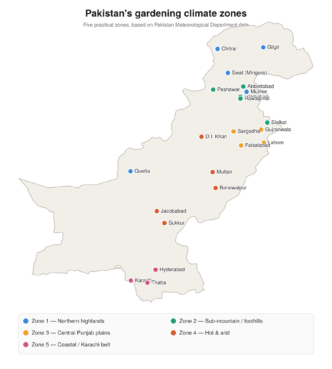
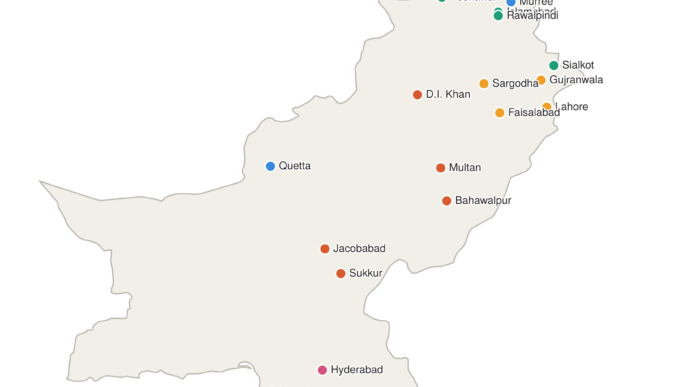
Pakistan’s summer isn’t just “hot.” From Multan to Sukkur to Jacobabad, we’re talking about a stretch of four to five months where daytime temperatures regularly cross 42–48°C, the sun is directly overhead by 11 AM, and even the soil at 6 inches deep can feel warm to the touch. I’ve worked with home gardeners, nursery growers, and landscape clients across Punjab and Sindh over the past five years, and the plants that survive here aren’t the ones from a pretty Pinterest board shot in London or Lahore’s cooler hill stations — they’re plants with a specific physiology built for heat stress: thick cuticles, deep or fleshy root systems, and the ability to shut their stomata during the peak afternoon hours to reduce water loss. 
So this list isn’t a generic “top plants” roundup copied from a global gardening site. Every plant here has been chosen, and tested, specifically for Pakistan’s summer conditions — the kind of heat we get in Faisalabad, Bahawalpur, Hyderabad, and even Islamabad’s increasingly harsh June-July window.
Let’s get into it.
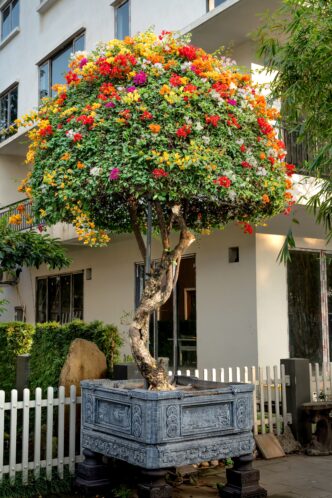
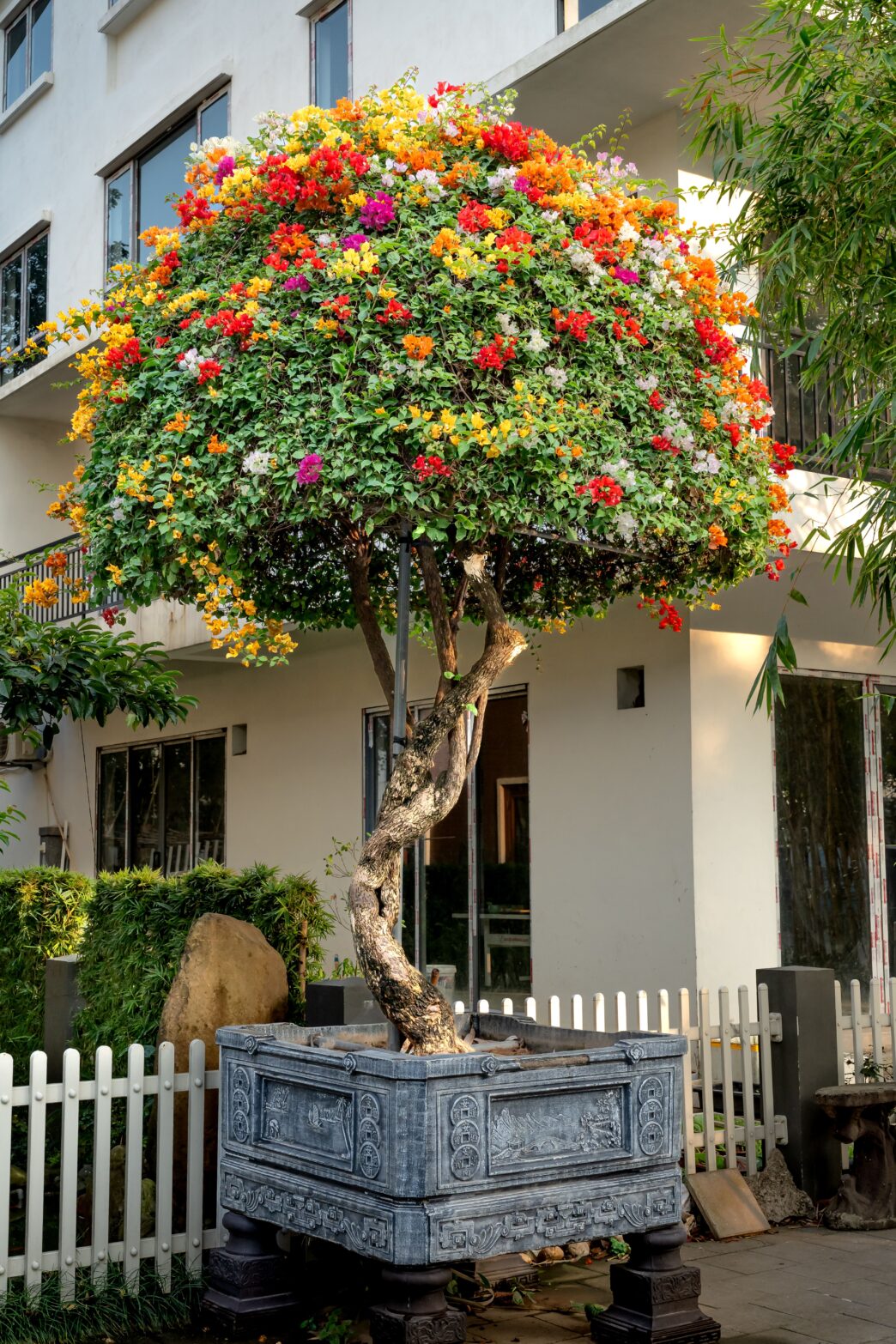
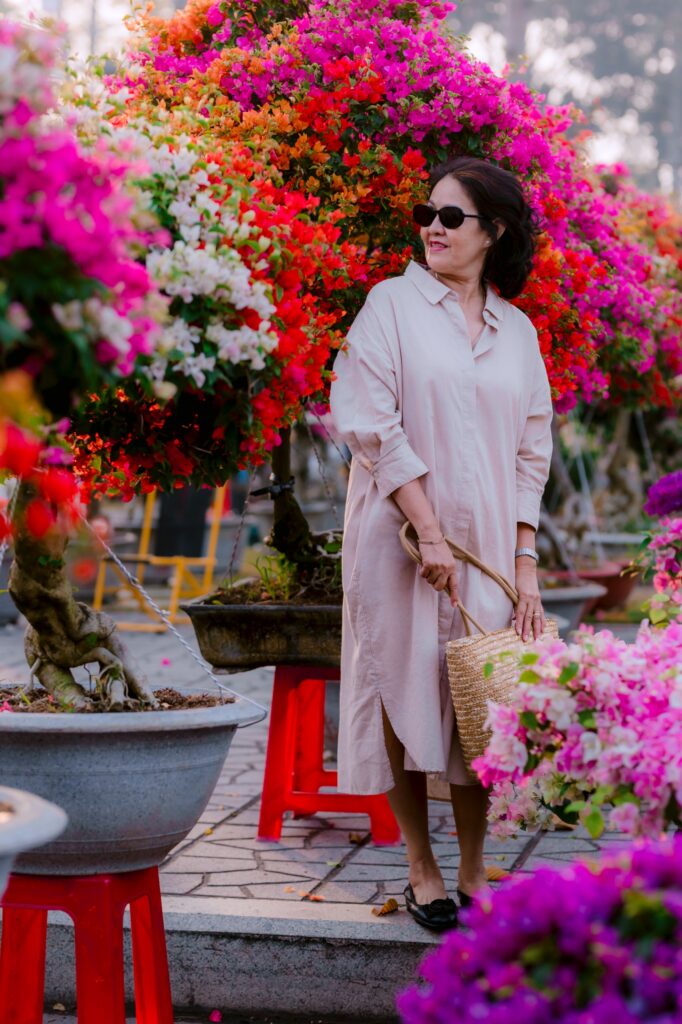
1. Bougainvillea (Kagaz Phool)
If I had to pick one plant that never lets a Pakistani gardener down in summer, it’s bougainvillea. I’ve seen it thrive in Cholistan-adjacent farmhouses where nothing else survives past May.
Why it works: Bougainvillea is native to hot, dry regions of South America and has evolved to bloom more aggressively under stress — meaning less water and more sun often gives you brighter flowering, not less. Its thick, waxy leaves and woody stem structure resist water loss extremely well.
Local tip: Don’t over-fertilize with nitrogen-heavy feeds in summer — it pushes leafy growth at the expense of flowers. A phosphorus-rich feed (like DAP in small doses, diluted) every 3-4 weeks will give you those thick clusters of magenta, orange, or white bracts.
Watering: Deep water 2-3 times a week rather than a light sprinkle daily. Shallow, frequent watering actually weakens root depth over time.
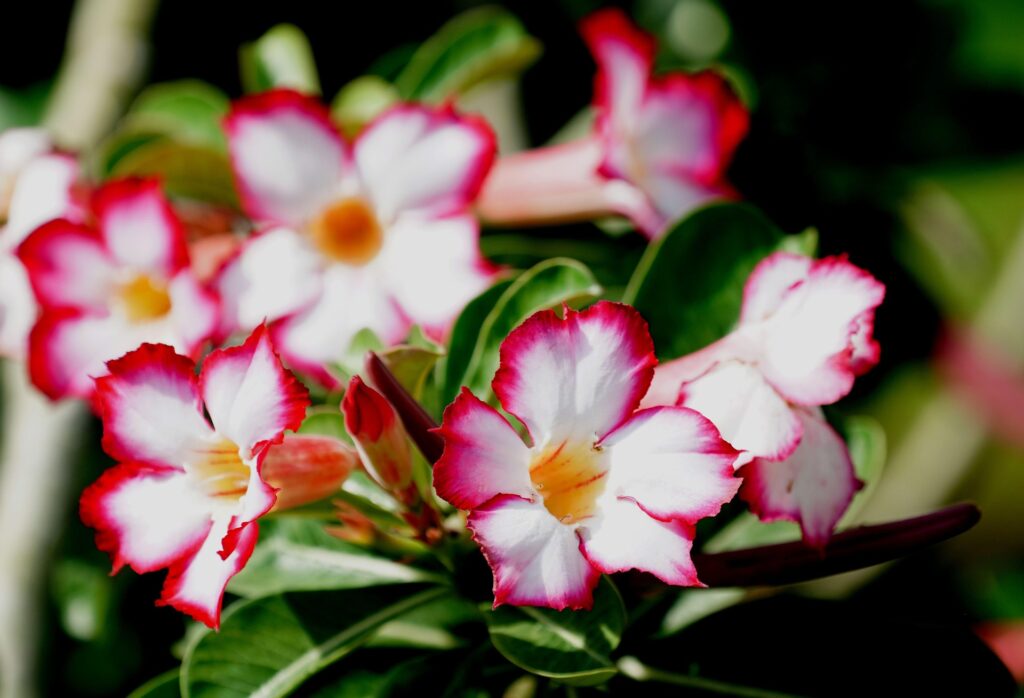
2. Adenium (Desert Rose / Sada Bahar ka Rishta — locally called “Adenium”)
This one surprises people. Adenium obesum is practically designed for our summers — it comes from the arid regions of East Africa and the Arabian Peninsula, climates not too different from interior Sindh.
Why it works: The swollen caudex (base of the stem) stores water, functioning almost like a camel’s hump. This is why overwatering, not underwatering, kills most Adeniums in Pakistani homes.
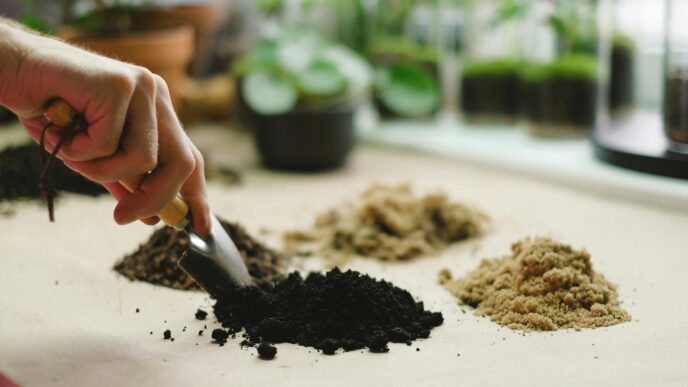
Local tip: Use a gritty, fast-draining mix — I recommend 40% coarse sand, 30% normal garden soil, 30% compost. Terracotta pots work better than plastic here because they let excess moisture evaporate through the pot walls.
Common mistake I see constantly: People plant Adenium in regular garden soil and water it daily like a rose bush. It rots within weeks. Treat it more like a cactus with flowers.
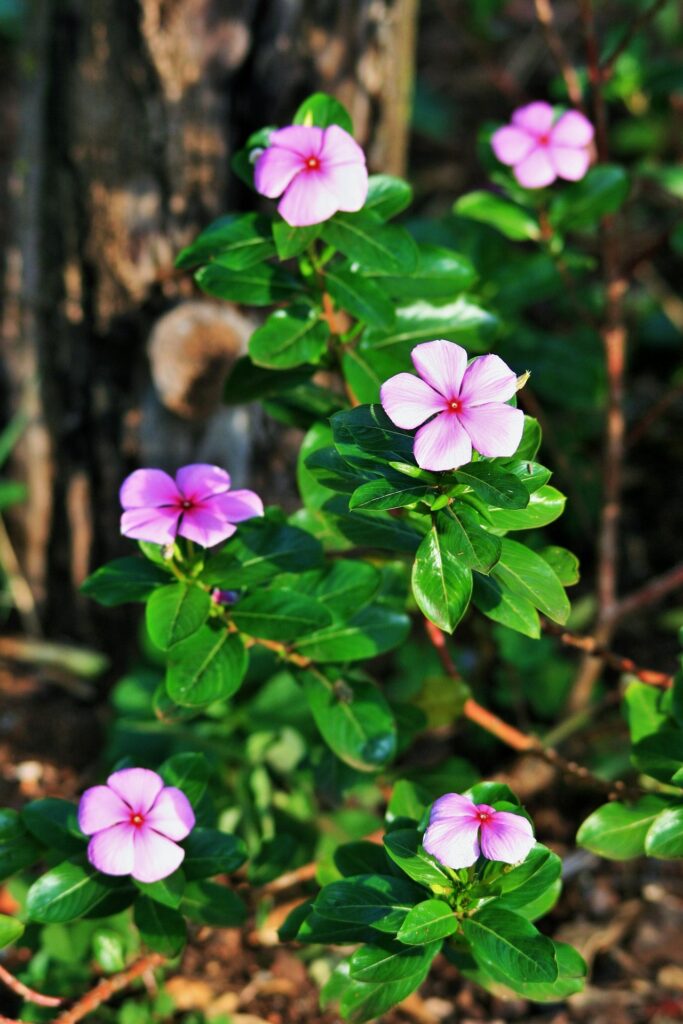
3. Vinca (Sadabahar)
Vinca is the plant I recommend to every beginner who says “mujhe kuch aisa chahiye jo mar hi na sake” (I want something that just won’t die). It genuinely earns its local name, Sadabahar — “always spring.”
Why it works: Vinca has a deep taproot system relative to its compact above-ground size, letting it pull moisture from lower soil layers even when the surface is bone dry.
Local tip: It self-seeds readily in Pakistani gardens — you’ll often find volunteer vinca plants popping up in cracks of pavement or boundary walls by July. Let a few go to seed at season’s end and you’ll have a fresh batch for next summer without spending a rupee.
Bonus: It’s one of the few flowering plants that will bloom continuously through Lahore’s punishing July-August humidity spike, when many other flowering plants simply stop budding.
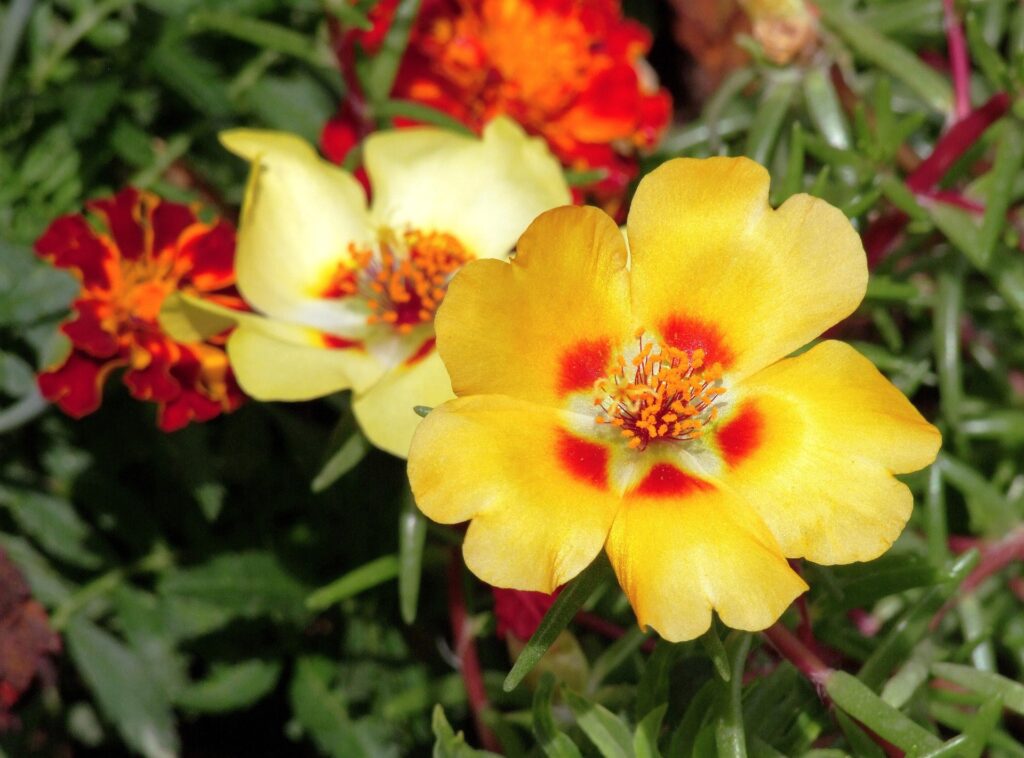
4. Portulaca (Gul-e-Dopeher / Nau Baje ka Phool)
Known locally in some regions as “the 9 o’clock flower” because the blooms open with the morning sun, Portulaca is a low-growing succulent that handles reflected heat from paved areas better than almost anything else I’ve tested.
Why it works: Its leaves are succulent (water-storing), similar in function to a jade plant, letting it tolerate the reflected heat off rooftops, courtyards, and driveways — areas where ambient temperature is often 4-5°C higher than open soil.
Local tip: This is the plant I recommend for rooftop gardens (a very common setup in urban Karachi and Lahore homes), because it tolerates both heat and the wind exposure rooftops bring.
5. Hibiscus (China Rose / Gurhal)
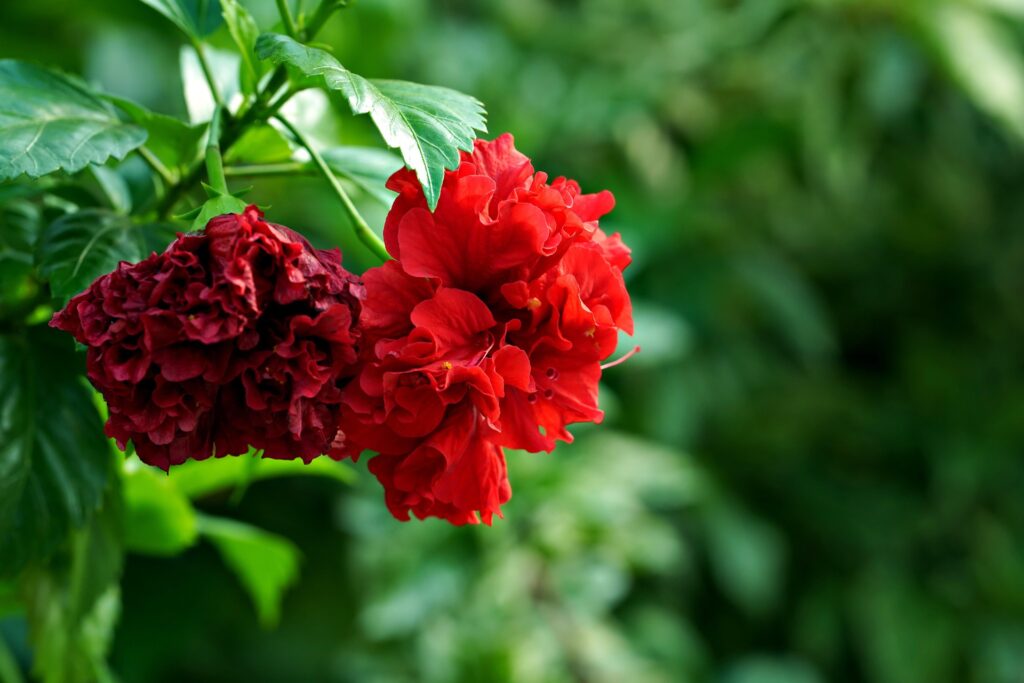
A staple in Pakistani gardens for good reason — but most people don’t realize why it does so well here specifically.
Why it works: Hibiscus rosa-sinensis originates from tropical and subtropical Asia, so it’s genetically adapted to intense sun combined with occasional heavy rain — almost exactly our monsoon-adjacent summer pattern.
Local tip: In peak summer, hibiscus benefits from a light mulch layer (dried leaves, grass clippings) around the root zone. This single step reduces soil temperature by several degrees and cuts your watering need almost in half — something I rarely see recommended in generic gardening content, but it makes a visible difference within two weeks.
Watch for: Whiteflies tend to spike in Pakistan’s humid late-summer months (August especially). A neem oil spray every 10-15 days keeps this in check without harsh chemicals.
6. Money Plant / Pothos (in outdoor shaded corners)
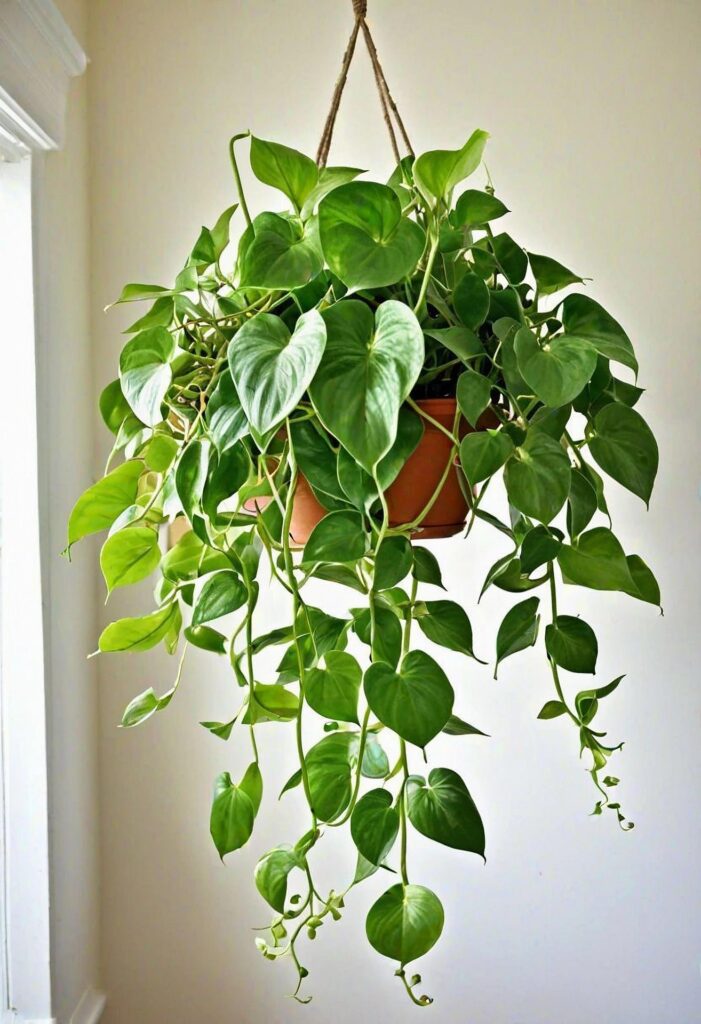
I’m including this with a caveat: Pothos is not a full-sun plant, but in the context of Pakistani courtyard and veranda gardens — where there’s bright, indirect light but not direct midday sun — it’s one of the toughest performers against heat and neglect.
Why it works: Its broad leaves handle high ambient heat as long as direct scorching sun is avoided, and it tolerates the inconsistent watering schedules that happen when families are busy or traveling in summer (a very real, very common scenario here).
Local tip: Train it up a wall or trellis in a north or east-facing courtyard corner — a very typical layout in older Lahore and Peshawar homes — and it will fill that space beautifully by peak summer.
7. Ixora (Rangoon Creeper’s cousin, commonly called “Jungle Geranium”)
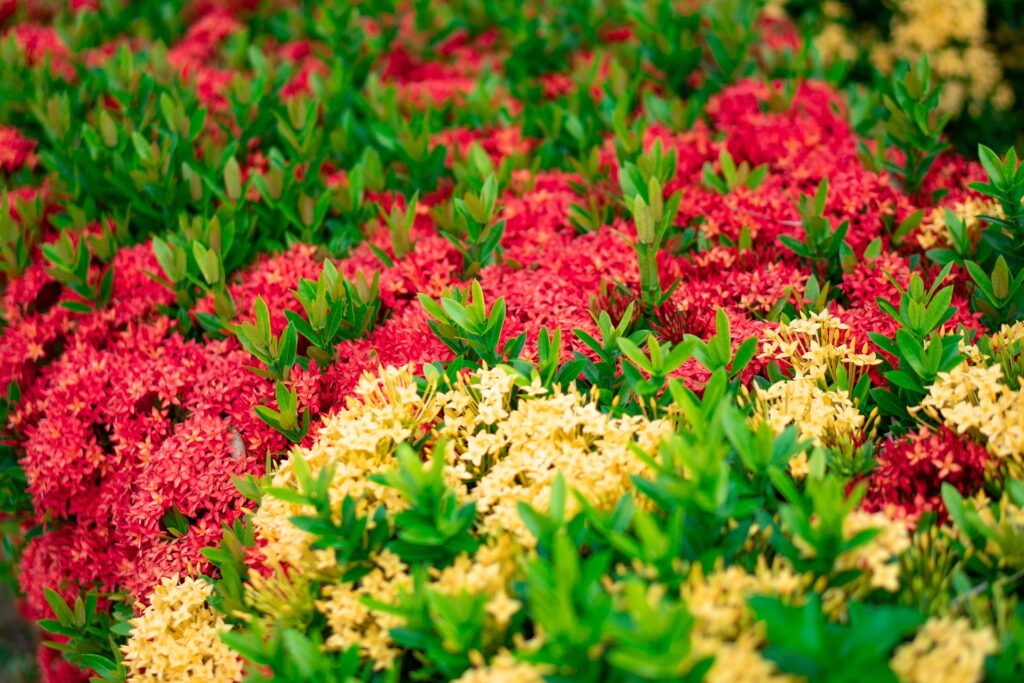
Less commonly discussed in Pakistani gardening content, but I’ve had excellent results with Ixora in clients’ gardens in Karachi’s coastal humidity and Multan’s dry heat alike.
Why it works: Ixora’s compact, waxy foliage minimizes transpiration, and its clustered flower heads (orange, red, or yellow) are pollinator magnets — genuinely useful if you’re also trying to support local bee and butterfly populations, something increasingly relevant as urban green cover shrinks.
Local tip: Slightly acidic soil brings out the best flower color. If your tap water is hard (common in much of Punjab), occasionally water with rainwater or add a small amount of used tea leaves to the soil to balance pH.
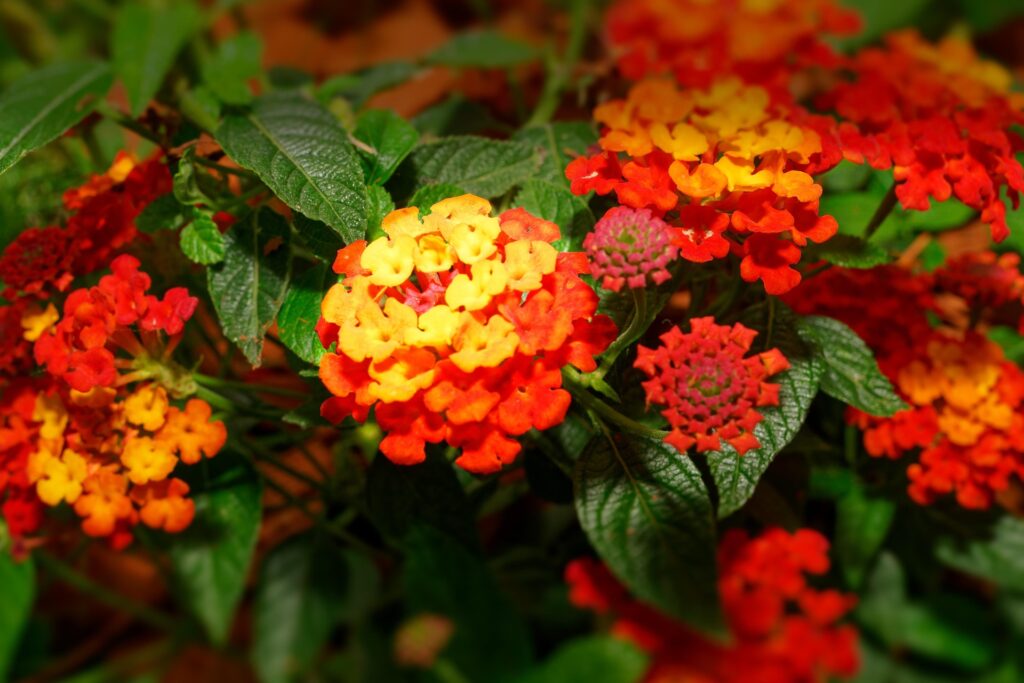
8. Lantana
Often dismissed as a “roadside weed” because it grows wild along GT Road and highway medians across Punjab — but that toughness is exactly the point.
Why it works: Lantana camara has naturalized so successfully in South Asia’s heat that it’s actually considered invasive in some regions — which, from a home gardener’s perspective, just means it’s nearly impossible to kill by accident.
Local tip: Prune it back hard after the first flush of summer flowers (roughly early June) and you’ll get a second, fuller bloom cycle by August. Most people skip this step and miss out on nearly double the flowering potential.
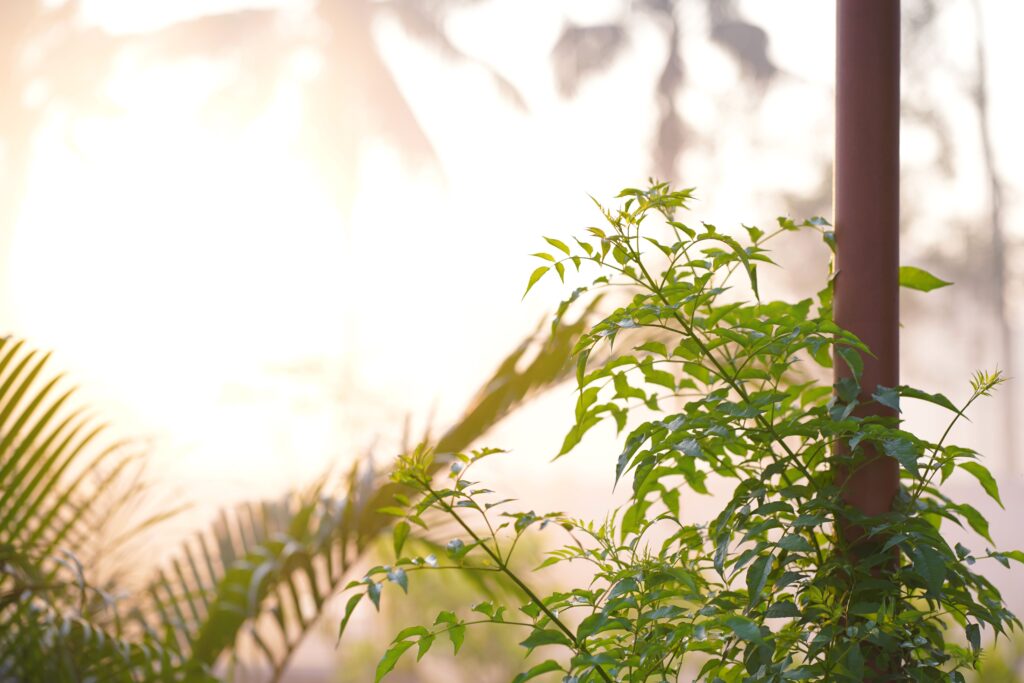
9. Neem (Azadirachta indica) — for those with a bit more space
If you have even a small patch of ground rather than just pots, neem deserves serious consideration, and I say this as much for practical reasons as ornamental ones.
Why it works: Neem is quite literally built for the subcontinent’s harshest heat — deep taproot, drought tolerance once established, and it actively cools the surrounding microclimate through transpiration, which is measurable: shaded ground under a mature neem tree can be 5-8°C cooler than open, unshaded ground nearby.
Local tip: Plant it at the start of the pre-summer season (March) so the root system has time to establish before peak heat hits. Once established (usually after year two), it needs almost no supplemental irrigation.
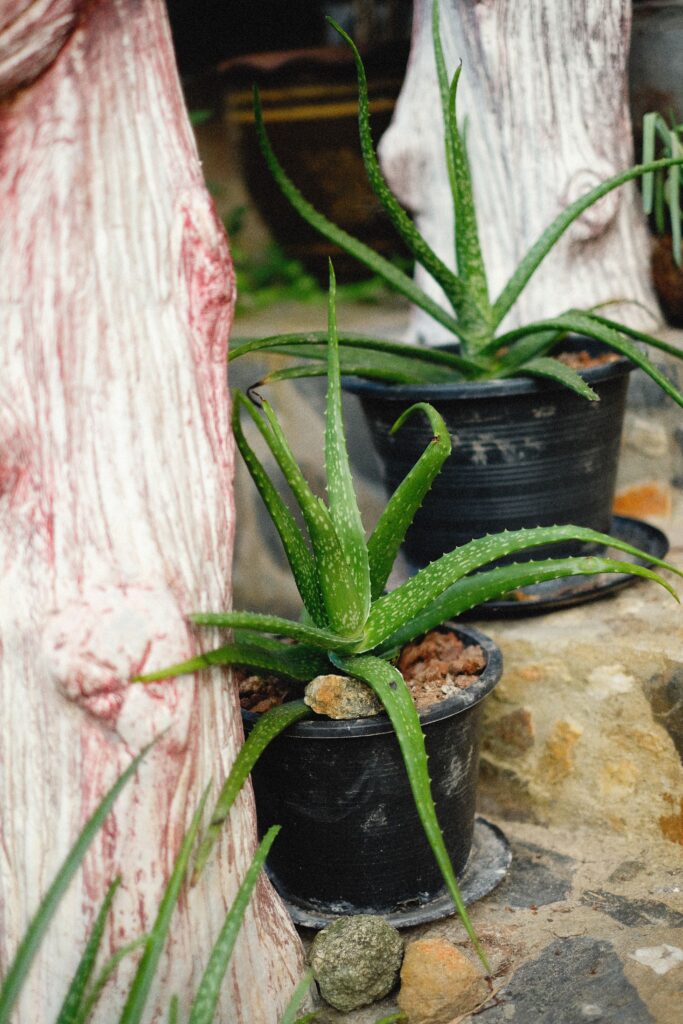
10. Aloe Vera
I’ve saved a practical one for last. Aloe vera isn’t just decorative — it’s one of the few plants that gives you a genuine household return during summer.
Why it works: As a true succulent, it stores water in its thick leaves and can go 2-3 weeks without irrigation in peak summer without visible stress, making it ideal for people who travel or simply forget to water regularly (which, let’s be honest, is most of us during a Pakistani heatwave).
Local tip: Use the gel directly for sunburn relief — genuinely useful given how intense UV exposure is here from May through August. Just make sure to cut close to the outer leaf and let the yellow latex (aloin) drain off for a few minutes before applying, as this compound can irritate sensitive skin if used directly from the leaf.
A Few Things Most Articles Won’t Tell You
After five years of doing this hands-on — not just reading about it — here’s what I’ve learned that rarely makes it into generic gardening advice:
Watering time matters more than watering amount. Watering between 6-8 AM lets moisture reach the root zone before the afternoon sun evaporates it from the surface. Evening watering (after 6 PM) works too, but morning is better because it also reduces fungal disease risk that comes from leaves staying wet overnight.
Pot color affects root temperature significantly. Dark-colored pots (black, dark brown — very common and cheap in local nurseries) can raise root zone temperature by several degrees compared to lighter terracotta or white pots. If you’re using dark pots, double-pot them (place the dark pot inside a slightly larger light-colored one) to insulate the roots.
Your east-facing wall is your best friend. In most Pakistani home layouts, the east side of the house gets strong morning sun but is shaded by early-to-mid afternoon — exactly the light pattern most flowering plants prefer over harsh, unbroken west-facing afternoon sun.
Local nursery soil is often too heavy. A lot of nursery-bought potting soil in Pakistan is clay-heavy and compacts quickly in heat, suffocating roots. Mixing in 20-30% coarse sand or rice husk (available cheaply from local rice mills if you’re outside major cities) dramatically improves drainage and root health.
Frequently Asked Questions
Q1: Which plants survive best in Karachi’s humid summer heat versus Lahore or Multan’s dry heat?
Bougainvillea, Hibiscus, and Ixora tend to handle Karachi’s humidity-plus-heat combination better because they’re more tolerant of fungal pressure. Adenium and Portulaca perform best in dry-heat zones like Multan and interior Sindh, where low humidity actually suits their succulent physiology.
Q2: Can these plants survive without daily watering if I travel often in summer?
Yes — Aloe Vera, Adenium, Portulaca, and established Lantana are your safest choices if you’re away for a week or more. Avoid relying on Hibiscus or Vinca for long unattended stretches without at least a drip system or a neighbor checking in.
Q3: What’s the biggest mistake Pakistani home gardeners make in summer?
Overwatering, by far. People assume more heat means more water is always needed, but for succulents and drought-adapted plants like Adenium and Aloe, overwatering during high heat is actually the number one cause of root rot and plant death — more than underwatering.
Q4: Do any of these plants help cool down a rooftop or courtyard naturally?
Yes. Neem (if space allows) has a measurable cooling effect through transpiration. On a smaller scale, a dense arrangement of Portulaca or trailing Vinca across a rooftop reduces surface heat reflection compared to bare tiles or concrete.
Q5: Is it okay to use tap water for these plants, or does water quality matter?
It matters more than people think. Much of Punjab’s tap water is hard (high in dissolved minerals), which over time raises soil pH and can affect flowering in acid-preferring plants like Ixora. Letting tap water sit uncovered for 24 hours before use lets some chlorine dissipate, and occasionally supplementing with rainwater (during monsoon) helps reset soil pH.
Q6: When is the best time to plant these for maximum summer performance?
Ideally, get these established in March or early April, before the harshest heat sets in. This gives the root system 6-8 weeks to establish before peak stress hits in May-June, dramatically improving survival odds compared to planting mid-summer.
A Final Word
Gardening in Pakistan’s summer isn’t about fighting the climate — it’s about choosing plants that were, in one way or another, built for exactly this kind of heat. Every plant on this list has earned its place through actual seasons of testing, not just theory. Start with two or three from this list rather than trying all ten at once. Get comfortable with how they respond to your specific balcony, rooftop, or courtyard’s microclimate, and you’ll find that Pakistani summers, often blamed for killing gardens, can actually be the season your garden looks its absolute best.
If you try any of these, I’d genuinely like to know how they do in your specific city and setup — every region here has its own quirks, and that’s exactly the kind of on-the-ground detail that makes gardening advice actually useful.